
World News
Iran War: Trump Says Conflict Will End Soon as Nuclear Demand Remains

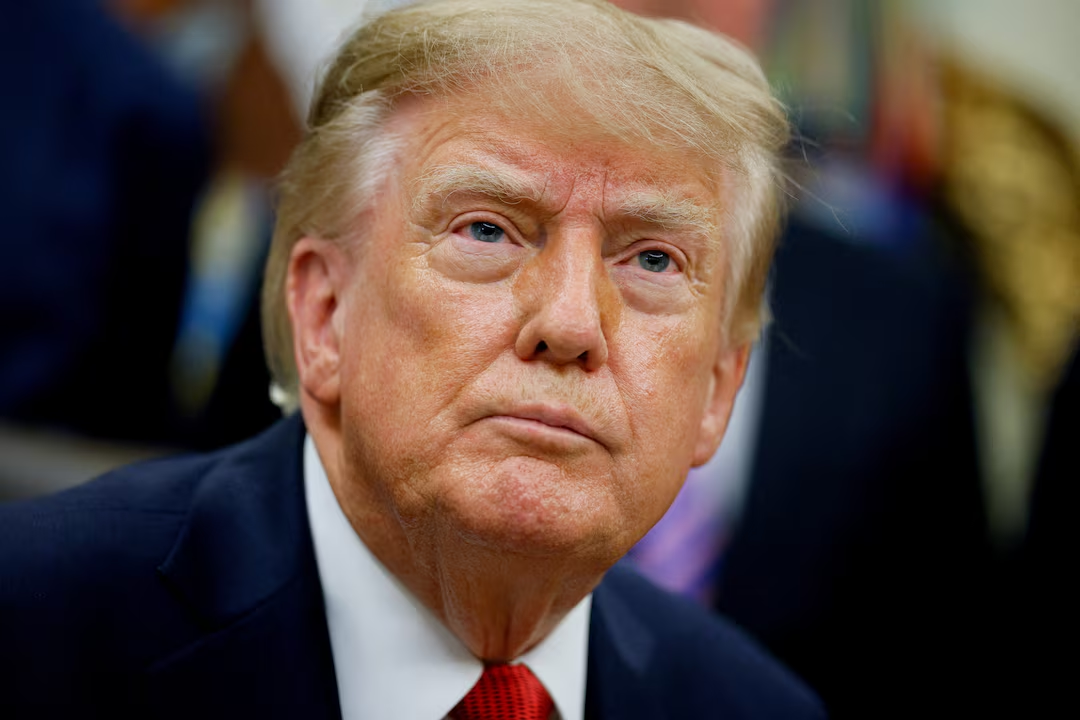
US President Donald Trump has said he expects the war with Iran to end soon, although he offered no details on how the conflict would be brought to a close or whether a diplomatic agreement was imminent.
Trump made the remarks on Friday, October 30, during an interview with Kansas City radio station KCMO, ahead of the November 3 US midterm congressional elections.
“It’s going to get wrapped up soon,” he said, adding that Washington needed “a guarantee there’ll never be a nuclear weapon”.
The president did not explain what form such a guarantee would take or whether negotiations with Tehran had produced an agreement acceptable to the United States.
Trump has repeatedly insisted that preventing Iran from acquiring a nuclear weapon remains a central objective of the US military campaign. He has also said Washington would not launch another strike against Iran before the midterm elections.
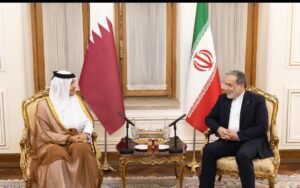
His latest comments come as diplomatic efforts continue to find a way to end the conflict. Qatari mediators were in Tehran on Friday to convey revisions to a proposed agreement, with a report by CBS News indicating signs of progress, citing a source familiar with the discussions.
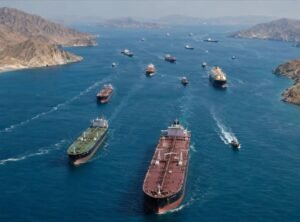
However, the diplomatic activity has taken place alongside continued tensions in the region, particularly around the Strait of Hormuz, a major international shipping route.
Iran’s Revolutionary Guard Navy reported incidents involving oil tankers in the strait, while Oman said its navy had evacuated 25 crew members from a commercial vessel that caught fire off its northern coast. The circumstances surrounding the reported incidents remained disputed.
The conflict has disrupted commercial shipping and energy supplies, raising concerns about the wider economic consequences for countries dependent on oil imports and international trade.
Trump’s latest prediction has therefore drawn attention to the possibility of an end to the fighting, but his remarks did not amount to an announcement of a ceasefire or a peace agreement.
The nuclear issue remains a major obstacle. Washington wants assurances that Iran will never obtain a nuclear weapon, while Tehran has rejected what it describes as coercive demands and maintains that its nuclear programme is not intended to produce weapons.
The United States and Iran have also faced disagreements over sanctions, security arrangements and the future of shipping through the Strait of Hormuz.
German Chancellor Friedrich Merz has separately called for diplomatic efforts to bring the conflict to an end, warning of its impact on Europe.
With the US midterm elections approaching and diplomatic contacts continuing, attention is now focused on whether the latest mediation efforts can produce an agreement and whether Trump’s prediction of a quick end to the war will be realised.