
World News
US Launches Defensive Strikes on Iranian Targets in Strait of Hormuz

The United States has carried out limited military strikes against Iranian targets on Qeshm Island in the Strait of Hormuz, with a US official describing the operation as a defensive measure aimed at protecting American military assets.
The strikes were confirmed by a US official on Monday, November 2, following reports of explosions on the Iranian island. The official, who spoke on condition of anonymity because they were not authorised to comment publicly, said the targets included Iranian forces using surface-to-air missiles against US assets.
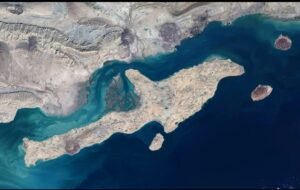
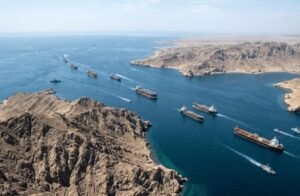
Qeshm Island, located in the strategically important Strait of Hormuz, is close to the entrance of the Persian Gulf and plays a significant role in the region’s maritime and security environment.
Iranian state media outlet IRNA reported several explosions on the island, while US officials maintained that the operation was limited and did not represent a return to full-scale military hostilities.
The Pentagon referred questions about the strikes to US Central Command, which oversees American military operations in the Middle East. CENTCOM did not immediately respond to requests for comment.
The latest operation comes amid heightened tensions between Washington and Tehran, following months of conflict that have disrupted shipping activities, affected global energy markets and raised concerns about the security of one of the world’s most important oil transit routes.
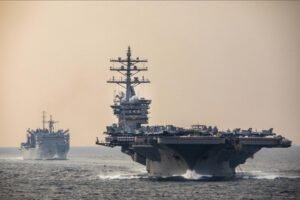
The United States has maintained a naval blockade aimed at restricting Iranian oil shipments, while additional American military forces, including a third aircraft carrier, have been heading towards the region.
The Associated Press reported that the conflict has cost the United States at least $47 billion, while attacks on commercial vessels in the Strait of Hormuz increased in October, reaching their highest monthly level since March.
The strikes also come against the backdrop of diplomatic efforts to prevent a wider escalation.
Qatari mediators have reportedly been working to advance an agreement under which Iran would halt attacks in the Strait of Hormuz in exchange for the United States lifting its blockade on Iranian ports.
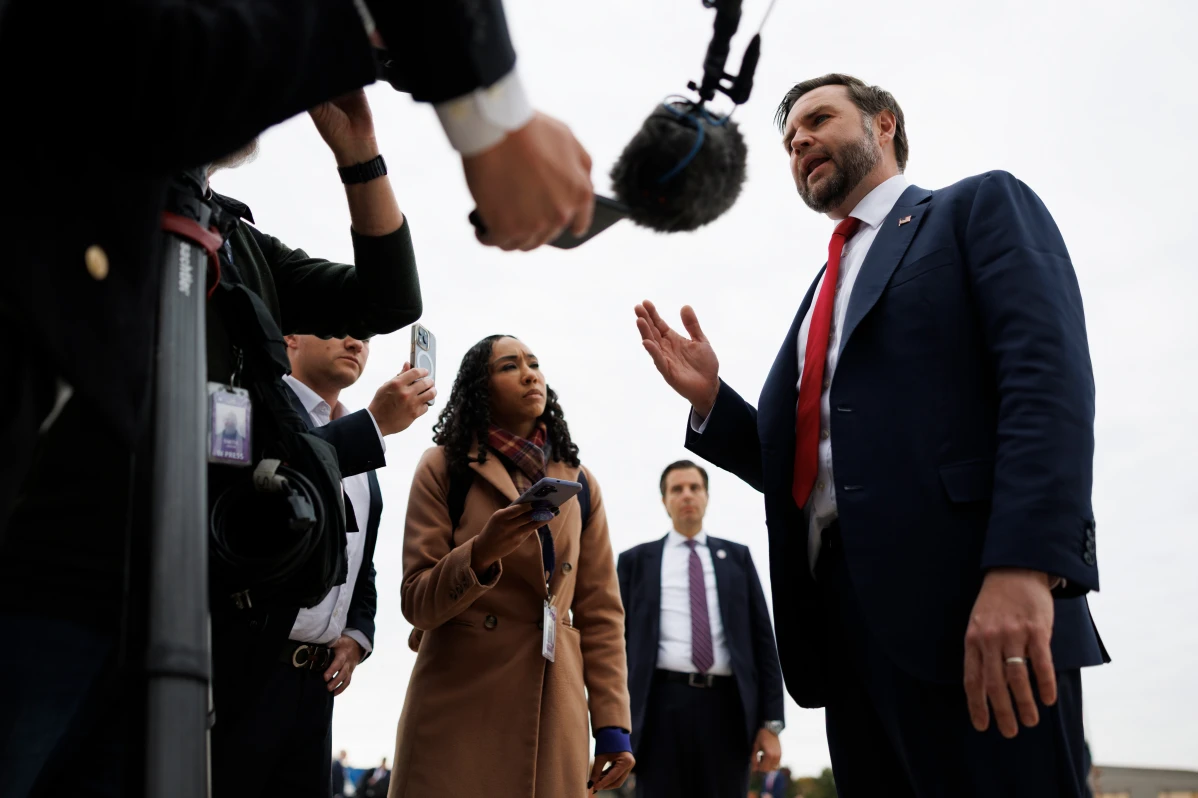
US Vice President JD Vance had expressed optimism about the possibility of reaching a negotiated settlement, saying Washington had held several positive discussions with Iranian representatives.
However, the renewed military action has raised questions about the prospects for diplomacy, particularly as regional tensions continue to deepen.
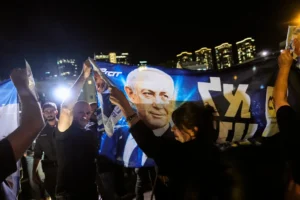
Israeli Prime Minister Benjamin Netanyahu has reportedly urged US President Donald Trump to consider another major military campaign against Iran. Some Middle Eastern allies, however, have warned that further attacks could destabilise the region and draw additional armed groups into the conflict.

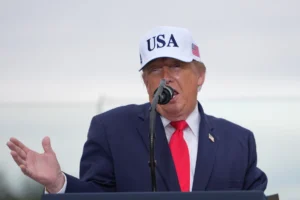
Trump had previously indicated that the United States would not launch fresh attacks on Iran before the November 3 midterm elections. The latest strikes therefore come at a politically sensitive moment for his administration, as the war and its impact on fuel prices and the wider economy remain major concerns for American voters.
Iranian officials have maintained that the country is prepared for both military confrontation and diplomatic engagement, while insisting that any agreement must include guarantees that Washington will honour its commitments.
Although US officials have characterised the latest operation as limited and defensive, the strikes underscore the fragile security situation around the Strait of Hormuz, where further military confrontation could have serious consequences for regional stability and international trade.
For now, the extent of the damage and whether there were casualties from the strikes have not been publicly established.