
Disaster/Tragedy
Colombia Earthquake: Search for Thousands Missing Tests New President

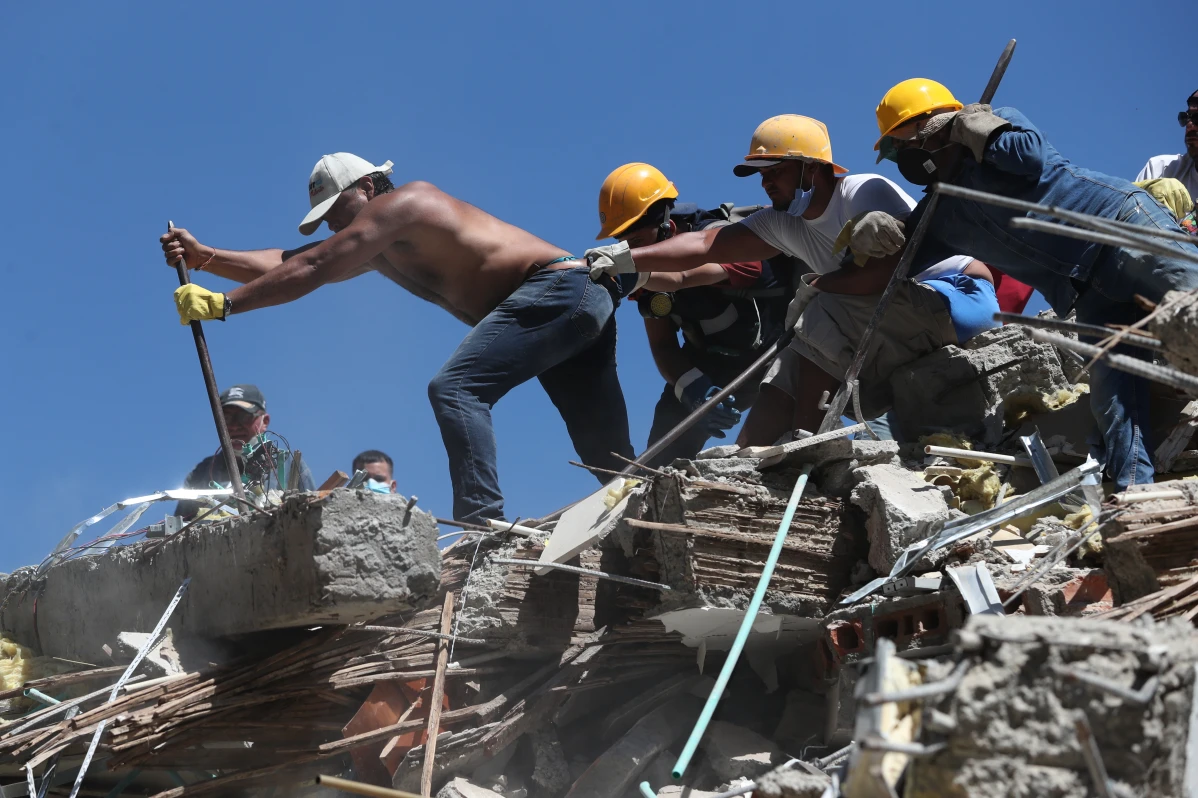
Rescue teams, soldiers and volunteers are racing against time across western Colombia as the search for thousands of people missing after a powerful earthquake enters a critical phase, presenting newly inaugurated President Abelardo de la Espriella with the first major crisis of his administration.
The magnitude 7.4 earthquake struck western Colombia on Monday, leaving widespread destruction across several cities and rural communities.
According to the latest reports, at least 181 people have died and about 2,595 others have been injured, while civilian-run databases have recorded reports of as many as 3,900 missing people. Authorities caution that the figures remain fluid as rescue teams reach some of the hardest-hit areas.
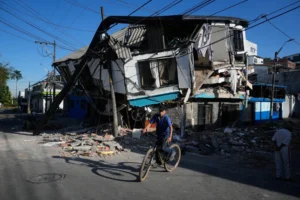
Cities including Cali, Pereira, Manizales and Quibdó have suffered significant damage, while remote areas of Chocó have faced additional difficulties because of poor infrastructure, difficult terrain and the presence of armed groups. About 1,136 homes have reportedly been destroyed, with the town of El Cairo among the worst affected.
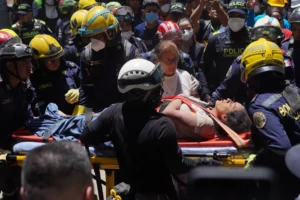
Rescue workers have been digging through collapsed buildings while families search desperately for relatives who remain unaccounted for.
The operation has involved firefighters, soldiers, emergency personnel and ordinary residents working together amid unstable structures and damaged roads.
In some areas, authorities have imposed restrictions on movement to allow rescue operations to continue without obstruction. The scale of the disaster has also placed pressure on hospitals and emergency services.
The search is particularly challenging in Chocó, one of Colombia’s historically poorer and more isolated regions, where damaged infrastructure is slowing the movement of rescue equipment and relief supplies.
The disaster has come only days after Abelardo de la Espriella assumed Colombia’s presidency, immediately turning the earthquake into the first major test of his leadership.
The new president has mobilised military and emergency resources for rescue and relief operations, while his administration faces the difficult task of coordinating the response across both densely populated cities and remote communities.
The earthquake is also testing the government’s ability to respond to communities that have historically complained of neglect, particularly in Chocó.
The government has received international assistance, including a reported $15.5 million commitment from the United States, as Colombia confronts the scale of the humanitarian emergency.
Beyond the confirmed death toll, the number of missing people remains the most worrying aspect of the disaster.
Families have turned to citizen-run databases to report missing relatives as communication networks and transportation links remain disrupted in some affected areas.
For President de la Espriella, the coming days will be crucial. His administration must simultaneously coordinate search-and-rescue operations, provide shelter and medical assistance, restore damaged infrastructure and reassure a traumatised population.
With aftershocks still possible and rescue operations continuing, authorities have warned that the full scale of the disaster may not yet be known.
For thousands of Colombian families, however, the immediate priority remains painfully simple: finding their loved ones.