
Disaster/Tragedy
Death Toll Rises to 13 After Powerful Earthquake Rocks Southern Japan

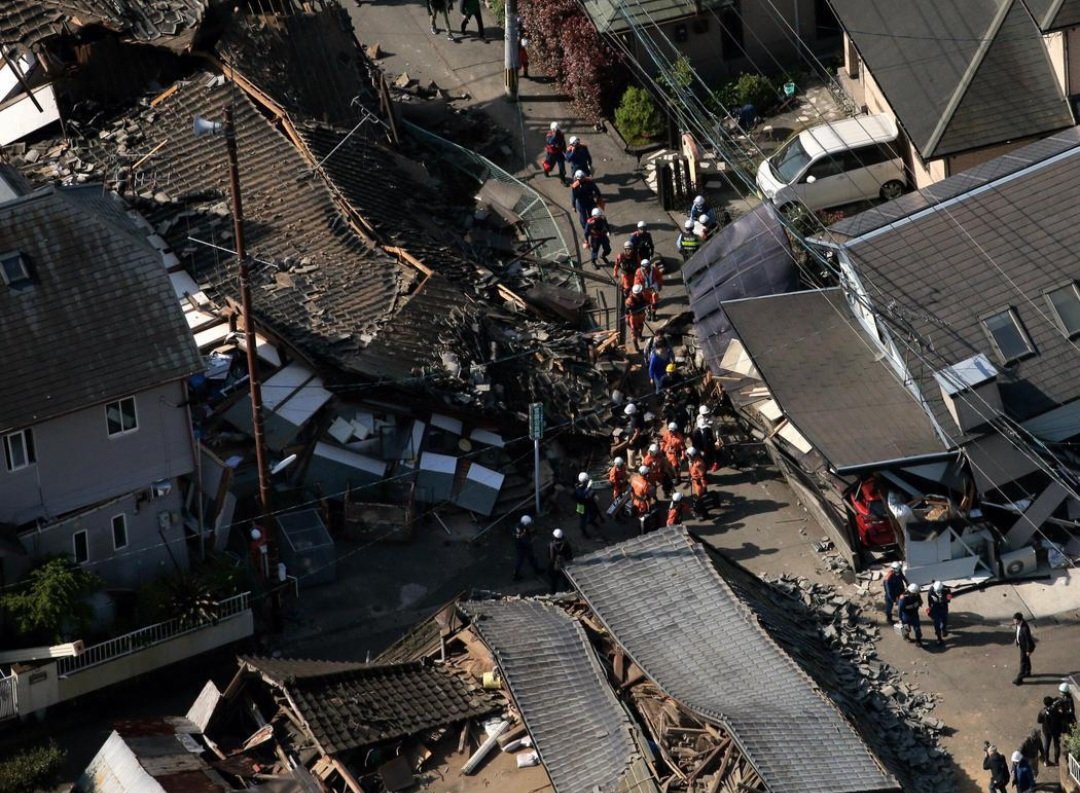
The death toll from the powerful earthquake that struck Japan’s Kumamoto Prefecture has risen to at least 13, with dozens more injured as rescue teams continue searching through collapsed buildings and damaged infrastructure. Prime Minister Sanae Takaichi confirmed the updated casualty figures on Wednesday, warning that the number could increase as emergency crews reach heavily affected areas. The magnitude 6.8 earthquake is among Japan’s deadliest natural disasters in recent years. (Based on reports from Reuters, AP and other international media.)
The earthquake struck southern Japan on Tuesday, sending violent tremors across Kyushu Island and triggering widespread panic. Buildings shook for several seconds, roads cracked, power lines were damaged, and transport services ground to a halt. The Japan Meteorological Agency (JMA) briefly issued a tsunami advisory following the quake before cancelling it after determining there was no major tsunami threat.
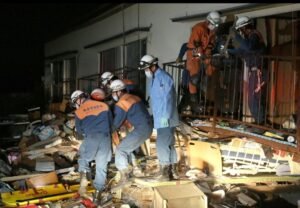
One of the worst-hit locations was an Aeon shopping mall in Kashima Town, where an explosion believed to have been caused by a gas leak during the quake led to a partial collapse. Rescue workers have spent hours searching through the debris using sniffer dogs, thermal imaging equipment and heavy machinery in an effort to locate workers reported missing after the blast. Officials say unstable structures and persistent aftershocks have slowed rescue operations.
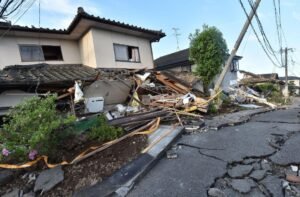
Across Kumamoto Prefecture, emergency services reported extensive damage to homes, commercial buildings and public infrastructure. Several roads and bridges suffered severe cracks, while landslides blocked access to some mountainous communities. Authorities also reported fires in several locations, forcing additional evacuations.
More than 50 people were injured, with hospitals treating victims for fractures, head injuries and other trauma caused by falling debris and collapsing structures. Thousands of residents were forced to spend the night in emergency shelters after officials warned that damaged buildings remained unsafe because of continuing aftershocks.
The earthquake also caused widespread disruption to electricity and transport. Tens of thousands of households experienced power outages, while Kyushu Shinkansen bullet train services were suspended pending safety inspections. Flights at Kumamoto Airport were temporarily halted as engineers examined runways and terminal buildings for structural damage.
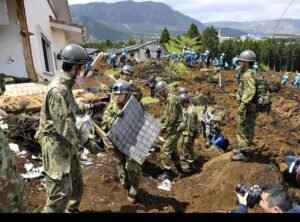
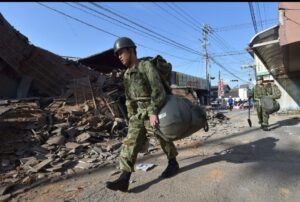
Prime Minister Takaichi activated Japan’s national emergency response system shortly after the quake, deploying members of the Japan Self-Defense Forces, firefighters and disaster response teams to assist local authorities. She expressed condolences to the families of those who died and pledged that the government would provide all necessary support for rescue, relief and reconstruction efforts.
Officials also confirmed that inspections at nearby nuclear facilities found no signs of damage or radiation leaks, easing fears of a repeat of previous nuclear-related disasters. Nevertheless, residents have been urged to remain vigilant as experts warn that strong aftershocks could continue for days and may trigger additional landslides or building collapses.

Japan sits along the Pacific Ring of Fire, making it one of the world’s most earthquake-prone countries. Although the country has some of the strictest building regulations and disaster preparedness systems globally, powerful earthquakes continue to pose a significant threat. The latest disaster has revived painful memories of the devastating 2016 Kumamoto earthquakes, which claimed hundreds of lives and caused billions of dollars in damage.
As search-and-rescue operations continue, authorities say their priority remains locating missing people, restoring essential services and ensuring the safety of thousands of residents displaced by the disaster.