
Disaster/Tragedy
Grief Without Closure: Venezuelans Continue Search a Month After Twin Earthquakes

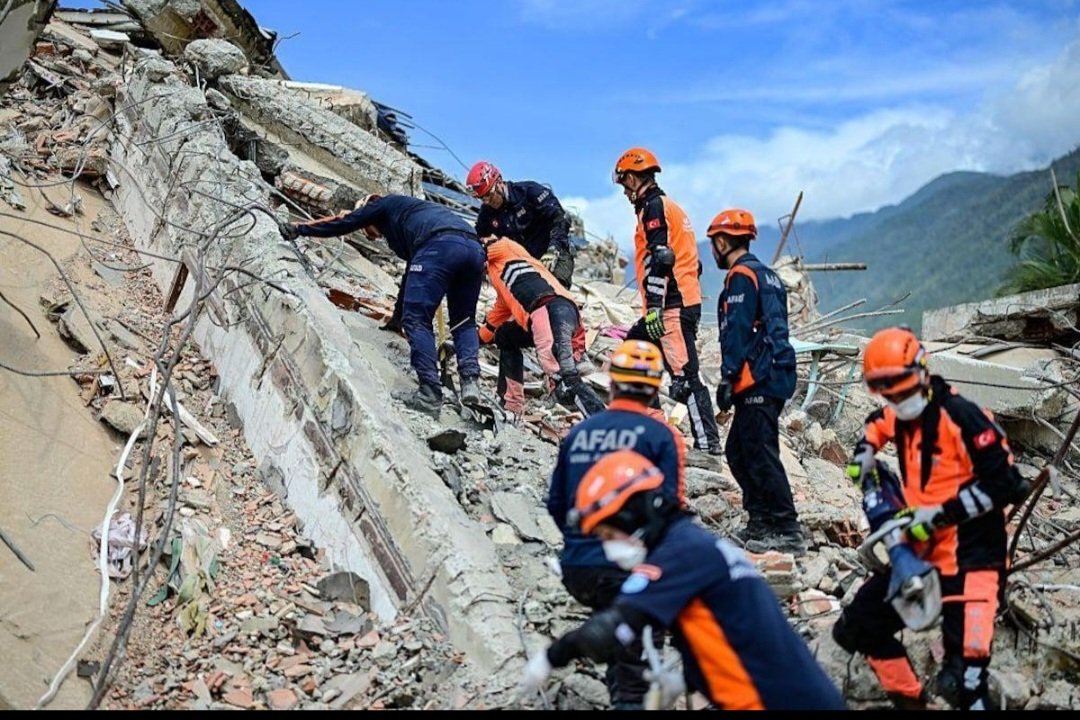
One month after two devastating earthquakes struck Venezuela’s northern Caribbean coast, thousands of families remain trapped in a painful limbo still searching for missing relatives while demanding answers about why so many buildings collapsed.
Although emergency crews have shifted from rescue operations to recovery efforts, hope has not completely faded for many survivors. Across the hardest-hit communities in La Guaira state, relatives continue digging through mountains of rubble alongside volunteers, determined to recover the bodies of loved ones and find some measure of closure.
The twin earthquakes, measuring 7.2 and 7.5 magnitude, struck on 24 June, causing catastrophic destruction along Venezuela’s northern coastline.
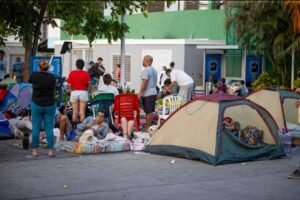
Government figures indicate that more than 5,000 people have died, over 16,000 have been injured, and tens of thousands have been displaced. Hundreds of buildings; including apartment blocks, schools, roads and bridges, either collapsed or suffered severe structural damage, with La Guaira and the coastal town of Caraballeda among the worst affected areas.
For many families, the emotional ordeal is far from over.
Residents return daily to collapsed buildings armed with shovels, pickaxes and bare hands, hoping to recover relatives who remain buried beneath the debris. Some say they cannot begin mourning until every missing family member has been found.
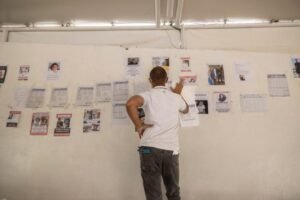
The continuing searches have produced heartbreaking scenes as rescue teams occasionally recover bodies, bringing closure to some families while reminding others that their loved ones are still missing.
As the immediate shock of the disaster subsides, frustration is mounting over the apparent failure of numerous residential buildings.
Survivors and engineers have questioned how several apartment blocks collapsed so completely, prompting calls for independent investigations into construction standards, building materials and possible negligence in the design and maintenance of public housing projects.
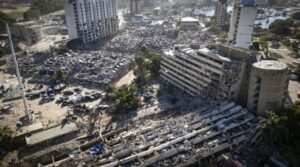
Government officials have defended the structural integrity of the buildings, arguing that the unprecedented strength of the earthquakes overwhelmed existing infrastructure. Nevertheless, demands for accountability continue to grow among affected communities.
Humanitarian organisations warn that the disaster’s impact extends beyond physical destruction.
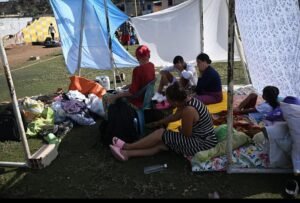
Many children are now living in temporary shelters after losing their homes, schools and, in some cases, family members. Aid agencies report increasing cases of anxiety, fear and sleeplessness among young survivors, while parents struggle to provide stability amid uncertain living conditions.
Relief organisations continue distributing food, clean water, medical care and psychological support, but they say recovery will require sustained international assistance.
While authorities continue clearing debris and restoring roads, electricity and other essential services, experts caution that rebuilding entire communities will likely take years.
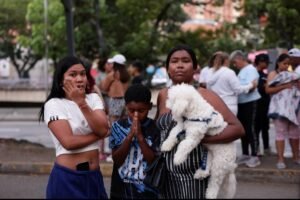
Beyond reconstructing homes and public infrastructure, officials face the challenge of restoring public confidence in building safety and improving disaster preparedness in a region vulnerable to seismic activity.
For thousands of Venezuelans, however, rebuilding cannot truly begin until they have answers about what happened, and, for many, until they finally bring their missing loved ones home.