
World News
Heavy Rain and Flooding Kill 82 Across India, Pakistan and Afghanistan

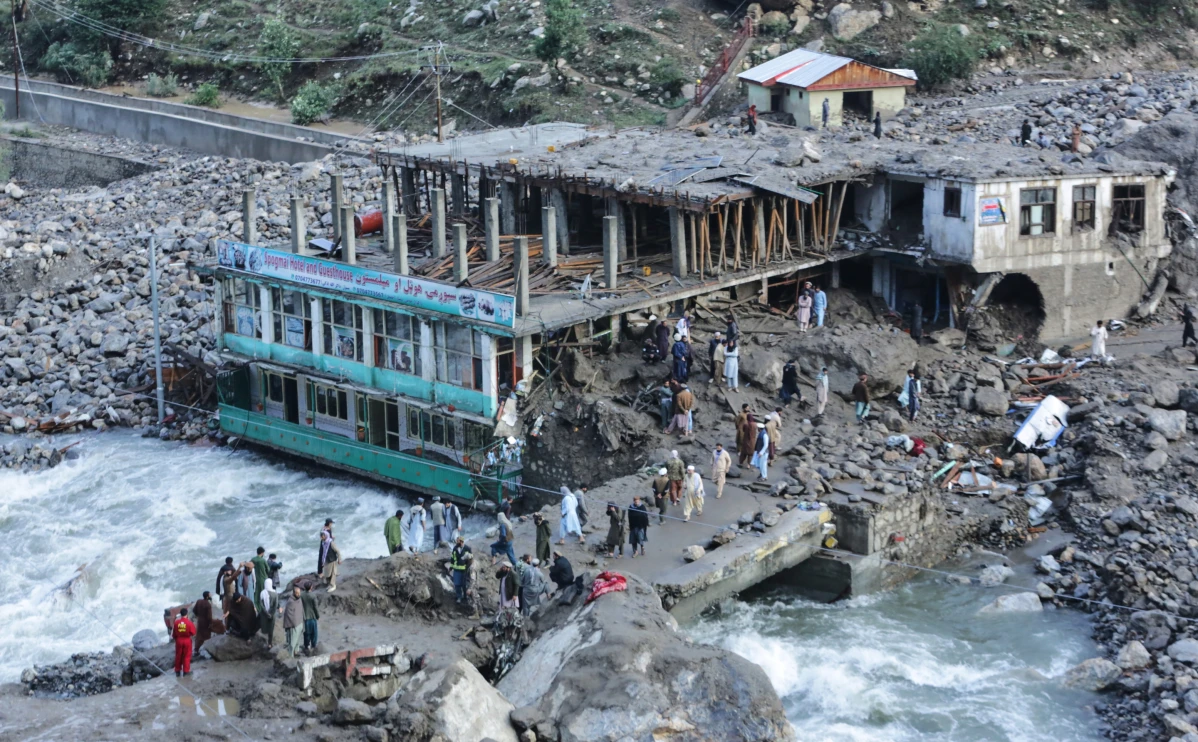
At least 82 people have died after days of relentless monsoon rains and devastating floods swept across India, Pakistan and Afghanistan, triggering landslides, flash floods and widespread destruction in one of South Asia’s deadliest weather disasters this year. Authorities across the three countries are racing to rescue stranded residents, restore damaged infrastructure and provide emergency assistance to thousands of affected families.

The worst-hit areas include northeastern India, where overflowing rivers inundated towns and villages, washing away homes, roads and bridges. State disaster response teams, assisted by the military, have rescued hundreds of people trapped by rising floodwaters, while thousands more have been forced into temporary shelters. Vast areas of farmland have also been submerged, raising concerns over crop losses and food security.
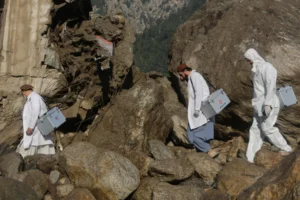
In Pakistan, heavy monsoon rains have caused widespread flooding in several provinces, destroying homes, blocking highways and disrupting electricity supplies. Emergency officials reported dozens of deaths from collapsing buildings, flash floods and rain-related incidents. Rescue teams continue to evacuate residents from vulnerable communities as rivers and streams remain dangerously swollen.
Meanwhile, Afghanistan has suffered some of the most severe impacts, particularly in the eastern province of Nuristan, where flash floods swept through communities, leaving at least 20 people dead and more than 100 others missing. Rescue workers, aided by local residents, have been searching through mud and debris for survivors, while dozens of injured victims have been taken to nearby hospitals. Authorities warned that the death toll could rise as search operations continue.
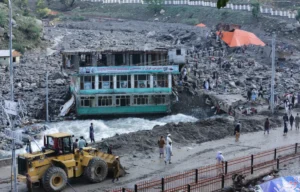
Meteorological agencies across the region have warned that the monsoon remains highly active, with forecasts predicting additional heavy rainfall over the coming days. India’s weather department has issued alerts for several states, warning of flash floods, landslides and transport disruptions, while Afghan and Pakistani authorities have also urged residents in flood-prone areas to remain vigilant and follow evacuation orders.
The disaster has once again highlighted South Asia’s vulnerability to extreme weather events. Experts say climate change is contributing to more frequent and intense rainfall, while rapid urbanization, deforestation and inadequate drainage systems have increased the risk of catastrophic flooding across the region. Countries such as India, Pakistan and Afghanistan are among those considered highly vulnerable to climate-related disasters.
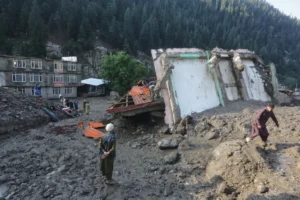
Governments in the three countries have mobilized disaster response agencies, military personnel and humanitarian organizations to deliver food, clean water, medical supplies and temporary shelter to affected communities. Officials say recovery efforts are expected to continue for weeks as authorities assess the full scale of the damage to homes, roads, bridges and agricultural land.