
World News
USAID Funding Cuts Push Jobless Aid Workers in Nepal Into Sex Work

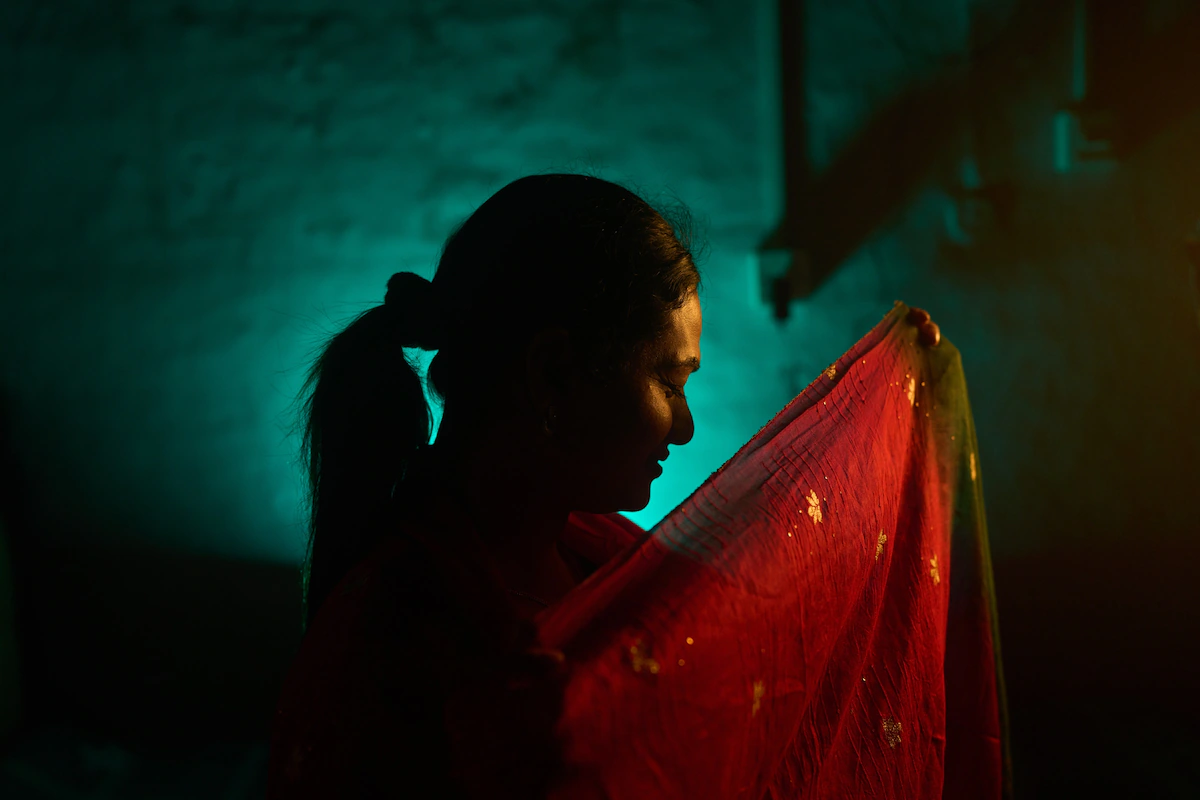
Thousands of humanitarian workers in Nepal are facing severe economic hardship following sweeping cuts to U.S. foreign aid, with some former employees of USAID-funded programs saying they have been forced into sex work simply to survive. The crisis has exposed the personal toll of international aid reductions, highlighting that the consequences extend beyond beneficiaries to the aid workers who once delivered life-saving services.
The report centers on former HIV outreach workers, many of them transgender and members of Nepal’s LGBTQ+ community, who spent years providing HIV testing, counseling and prevention services to vulnerable populations. After U.S. funding cuts led to the closure of numerous health and outreach programs, these workers suddenly found themselves unemployed, with few alternative job opportunities in a country where discrimination against transgender people remains widespread.

According to the Associated Press, more than 280,000 aid workers worldwide lost their jobs after the dismantling of the U.S. Agency for International Development (USAID). In Nepal alone, thousands of positions tied to foreign-funded health programs disappeared, leaving many workers without income or social protection.

Interviews conducted with former aid workers revealed that around 100 LGBTQ+ former outreach workers have turned to sex work in cities such as Hetauda and Kathmandu to earn enough money for food and shelter. Many now work in the same locations where they previously distributed HIV prevention supplies and health education, describing the transition as emotionally devastating.

The closure of USAID-supported HIV programs has also disrupted access to essential healthcare. Clinics that previously offered free HIV testing, counseling and preventive medications, including pre-exposure prophylaxis (PrEP), have reduced or halted services, leaving vulnerable communities at greater risk of infection. Public health specialists warn that interruptions to prevention programs could reverse years of progress in controlling HIV transmission.

The U.S. State Department defended the administration’s approach, saying the government has restructured foreign assistance to focus on efficiency, effectiveness and partnerships while maintaining that the United States remains the world’s largest provider of humanitarian and health assistance. Officials argue that aid programs are being redesigned rather than abandoned.

Human rights advocates, however, say the experience of former aid workers in Nepal illustrates the unintended consequences of abrupt funding reductions. They argue that marginalized groups; including transgender people who already face barriers to formal employment, have been disproportionately affected, forcing some into dangerous and stigmatized work to meet basic needs.

The situation has reignited debate over the broader impact of changes to U.S. foreign assistance policy. While supporters of the cuts argue that overseas aid should be more tightly targeted and accountable, critics contend that the reductions have weakened health systems, increased vulnerability among frontline workers and placed years of humanitarian progress at risk. For many of Nepal’s displaced aid workers, the choice has become stark: find any means possible to survive or face hunger and homelessness.