
Sports
Ibrahim Gusau Announces Resignation as NFF President Amid Nigerian Football Crisis

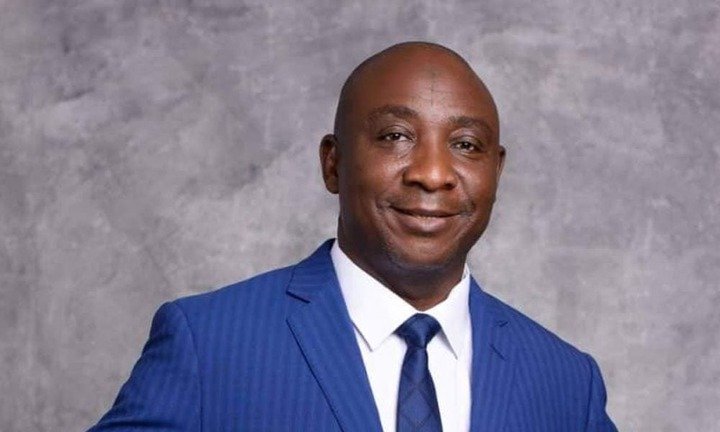
Nigeria Football Federation (NFF) President Ibrahim Musa Gusau has resigned from his position, bringing his four-year tenure at the helm of Nigerian football administration to an abrupt end.
Gusau announced his resignation on Thursday, August 27, 2026, during a press conference at the NFF headquarters in Abuja. His resignation was subsequently reported by multiple Nigerian news organisations, including Premium Times, Vanguard, TVC News and Pulse Sports.
The development comes after weeks of mounting pressure on the NFF leadership over the declining fortunes of Nigeria’s national teams and growing demands for major changes in the administration of the country’s football.
Gusau’s resignation also comes amid reports that several members of the NFF Executive Committee have stepped down. Earlier reports indicated that eight of the federation’s 13 board members had already resigned, deepening uncertainty over the future structure of the federation.
The crisis surrounding the NFF leadership intensified following a series of disappointing results by Nigeria’s national teams.
The Super Eagles failed to qualify for the 2026 FIFA World Cup after losing to DR Congo in the African qualifying play-off, while the Super Falcons suffered a historic setback by failing to qualify for the 2027 FIFA Women’s World Cup.
Nigeria’s women’s team had appeared at every edition of the Women’s World Cup since the competition began in 1991. Their failure to qualify followed a 2-1 defeat to South Africa in the qualification play-off after their quarter-final exit from the 2026 Women’s Africa Cup of Nations.
The setbacks triggered widespread calls for accountability and renewed demands for a change in the leadership of Nigerian football.
The NFF administration has also faced scrutiny over the management of government funds allocated to Nigerian football.
Reports have said security agencies were examining the utilisation of a Federal Government intervention fund released to settle outstanding payments owed to national-team players and officials. Vanguard reported that the DSS had requested documents relating to the funds, while describing the review as a normal examination rather than a witch-hunt.
The financial questions have added to the wider concerns surrounding the federation at a time when stakeholders are demanding greater transparency and accountability.
Gusau’s resignation creates a major leadership vacuum at the NFF and could affect the federation’s planned electoral process.
The NFF had scheduled an elective congress for September 27 in Lafia, Nasarawa State. With Gusau and several members of the Executive Committee reportedly out of office, attention is now turning to how the federation will be administered in the interim and whether the electoral timetable will remain unchanged.
An emergency NFF Congress has also been convened in Abuja to consider the unfolding leadership crisis and determine the way forward. The agenda includes the status of the Executive Committee and Secretariat, the implications for the federation’s governance and appropriate measures under NFF, CAF and FIFA statutes.
Gusau’s resignation therefore represents more than the departure of one administrator. It comes at a critical moment for Nigerian football, with the NFF now facing the challenge of restoring stability, rebuilding confidence and charting a new direction for the country’s national teams.