
Disaster/Tragedy
Indonesia Wildfires Burn Nearly 95,000 Hectares in July as El Niño Intensifies

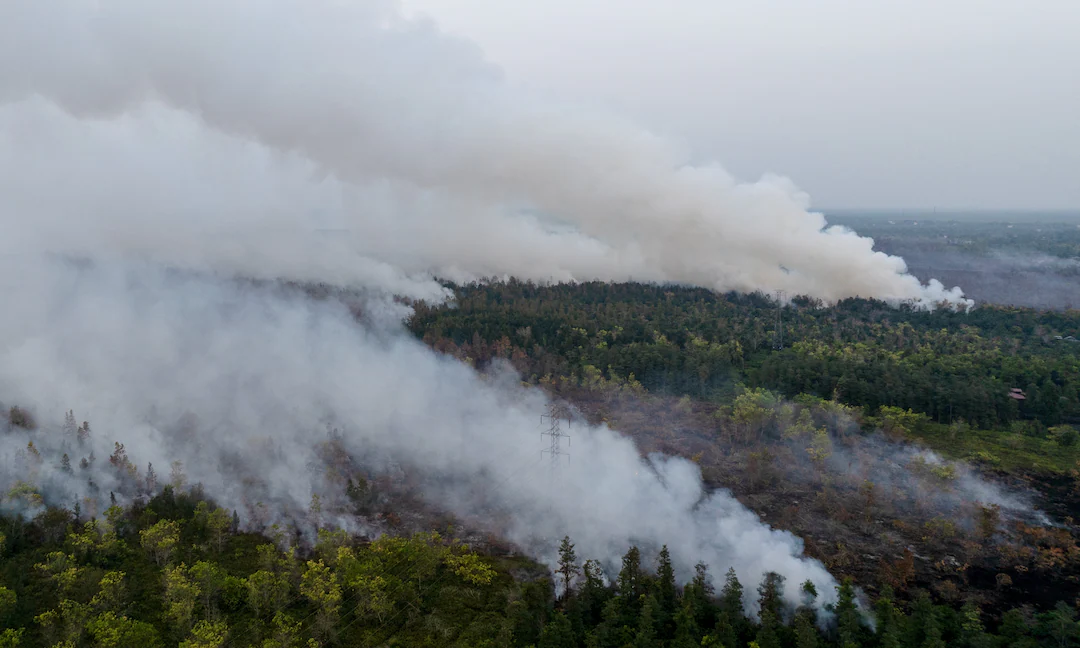
Indonesia recorded a sharp escalation in wildfires in July, with nearly 95,000 hectares of land affected in a single month as an intensifying El Niño weather pattern brought hotter and drier conditions across the country.
Data presented by Forestry Minister Raja Juli Antoni showed that 94,539 hectares were affected by fires in July. That figure pushed the total area affected by wildfires between January and July to 202,004 hectares, up from 107,465 hectares recorded through June.
The July figure represents almost as much land as was affected during the first six months of the year combined, highlighting the rapid deterioration of fire conditions as Indonesia enters the peak of its dry season.
Antoni told a parliamentary hearing that the intensity of the current El Niño event had, by mid-August, surpassed levels recorded during the powerful 2015 El Niño episode.
Despite the sharp increase, the affected area remains below the scale recorded during the same period in 2015, when around 600,000 hectares were damaged by fires. The minister said the government was working to prevent the current situation from reaching similar levels.
Indonesia’s Meteorology, Climatology and Geophysical Agency expects El Niño conditions to persist into early 2027, raising concerns about continued wildfire risks.
Authorities expect August and September to be the most critical months for forest and land fires, meaning the country could face further increases in the coming weeks if dry and hot conditions persist.
The government has already carried out weather-modification operations in fire-prone provinces between February and July in an effort to trigger rainfall and reduce fire risks.
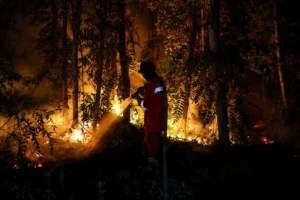
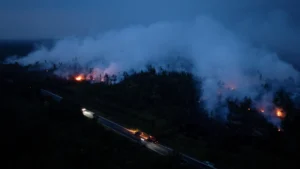
Firefighters are also battling blazes in several parts of the country. In Central Kalimantan, teams have faced challenges from strong winds, limited water supplies and the spread of flames through peatland areas.
The situation has also prompted law-enforcement action. In July, police in Central Kalimantan named eight landowners as suspects over alleged land-clearing fires in the Tumbang Nusa area of Pulang Pisau.
The latest wildfire surge has raised wider environmental concerns, particularly because fires in Indonesia’s forests and peatlands can release large amounts of smoke and carbon emissions while creating hazardous haze.
The government is therefore facing a race against time to contain existing fires and prevent new outbreaks during what authorities expect to be the most dangerous phase of the dry season.
With El Niño expected to continue well beyond the current fire season, Indonesian authorities are likely to maintain firefighting, weather-modification and enforcement operations in high-risk areas.