
Disaster/Tragedy
New Earthquakes Shake Spain’s Granada, Injure Three and Damage Buildings

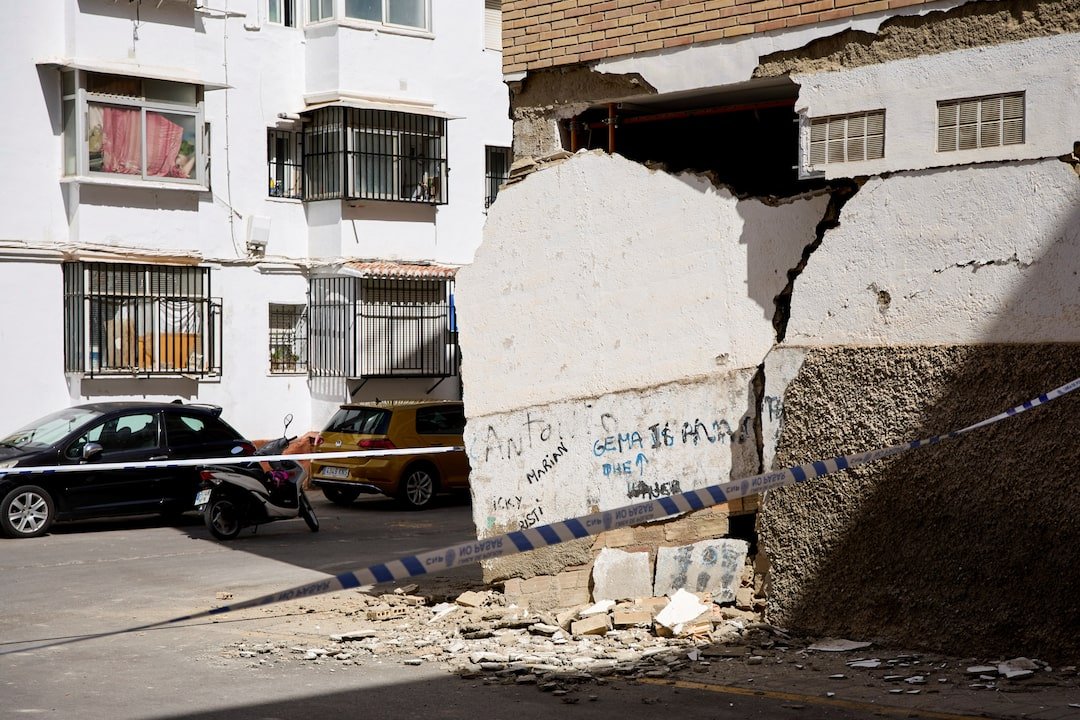
A fresh series of earthquakes has shaken Spain’s southern province of Granada, leaving at least three people with minor injuries and causing damage to buildings, only days after a stronger tremor struck the area.
The latest tremors struck on Tuesday, August 18, with the strongest measuring about 4.8 magnitude and centred near Gójar, roughly 10 kilometres south of Granada city, according to Spain’s National Geographic Institute.
Three people sustained minor injuries in the latest seismic activity, including a child who was taken to hospital for treatment. Emergency services also received more than 500 calls reporting incidents linked to the tremors.
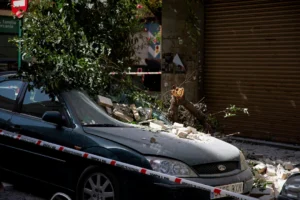
Buildings across parts of the province suffered cracks, falling debris and other damage. Some streets were cordoned off because of concerns over loose material falling from damaged buildings.
The earthquakes also disrupted normal activities in Granada. Authorities temporarily closed some public buildings, museums and sports facilities, while the Granada metro reduced train speeds as a precaution.
Tourist access to parts of the historic Alhambra complex was also restricted, with sections of the attraction evacuated as authorities assessed the potential impact of the tremors.
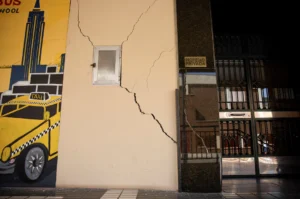
The latest earthquakes follow a magnitude-5 tremor that struck the Granada area on Saturday, causing cracks, fallen masonry and other damage. Although that earlier quake did not cause serious injuries, it prompted emergency crews to carry out dozens of interventions and temporarily affected access to some sites.
The repeated seismic activity has heightened concerns among residents and tourists, with authorities warning people to remain cautious as aftershocks continue.
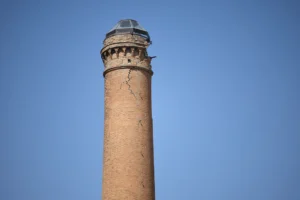
Regional officials said there was no immediate indication of widespread structural collapse, but inspections were being carried out on affected buildings and facilities.
Granada is located in a seismically active part of southern Spain, where the interaction between the African and Eurasian tectonic plates generates frequent earthquakes.

Authorities have urged residents to remain calm, follow safety instructions and avoid areas where buildings or structures may have been damaged.
With several significant tremors recorded in recent days, emergency and civil protection teams remain on alert while experts continue monitoring seismic activity in the region.