
Health
No Ebola Cases in Lagos, Government Reassures Amid Outbreak in Congo and Uganda

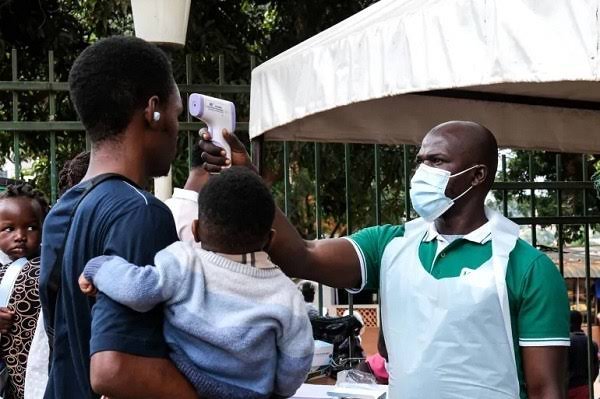
The Lagos State Government has assured residents that there is no immediate cause for concern following the ongoing Ebola outbreak reported in parts of Central and East Africa, while reaffirming that its public health systems remain on high alert.

Commissioner for Health, Professor Akin Abayomi, said the state is closely monitoring developments in Congo and Uganda, where hundreds of suspected cases and over a hundred deaths have been recorded. The World Health Organization (WHO) has classified the outbreak as a Public Health Emergency of International Concern (PHEIC), citing challenges posed by difficult terrain and response constraints in affected regions.
Despite the situation, Abayomi stressed that no case of Ebola Virus Disease has been detected in Lagos State.

He explained that the state has maintained a strong, well-tested biosecurity system designed to respond quickly to high-risk infectious diseases such as Ebola, Lassa fever, cholera, diphtheria, and influenza. According to him, this preparedness framework has been reinforced through past outbreaks, including Ebola and COVID-19.
The commissioner noted that the Lagos Incident Command System, led by Governor Babajide Sanwo-Olu, remains active to ensure rapid coordination and resource deployment during any public health emergency. He added that the State’s Emergency Operations Centre continues round-the-clock disease surveillance and intelligence gathering.
He also highlighted the readiness of the Lagos State Infectious Disease Hospital in Yaba, which is equipped with isolation units, intensive care facilities, and trained specialists to manage infectious disease cases.
In addition, the state’s Biosafety Level-3 laboratory and biobank facility are reportedly operating under enhanced surveillance to support rapid diagnosis and monitoring of high-risk pathogens.
Lagos is also working closely with federal agencies including the Nigeria Centre for Disease Control (NCDC), Port Health Services, the Federal Airports Authority of Nigeria (FAAN), and other partners to monitor incoming travellers, particularly those arriving from affected regions.
As part of preventive measures, all flights from Central and East Africa are subject to heightened health screening, while community health workers, civil society groups, and local associations have been integrated into early warning and reporting systems.
The government said emergency supplies such as personal protective equipment and other critical medical materials have been strategically positioned across key health facilities, with ambulance services on standby for rapid response.
Abayomi urged residents who recently travelled to affected countries or had contact with returnees showing symptoms to seek immediate medical attention through designated emergency channels.
Residents were also encouraged to report concerns via emergency numbers 767 or 112, or contact the Director of Epidemiology, Biosecurity and Global Health at the Ministry of Health.
The government reiterated its commitment to continuous monitoring, preparedness, and timely public communication in collaboration with federal health authorities.