
International
Rohingya Refugees Rally in Bangladesh, Demand Safe Return to Myanmar

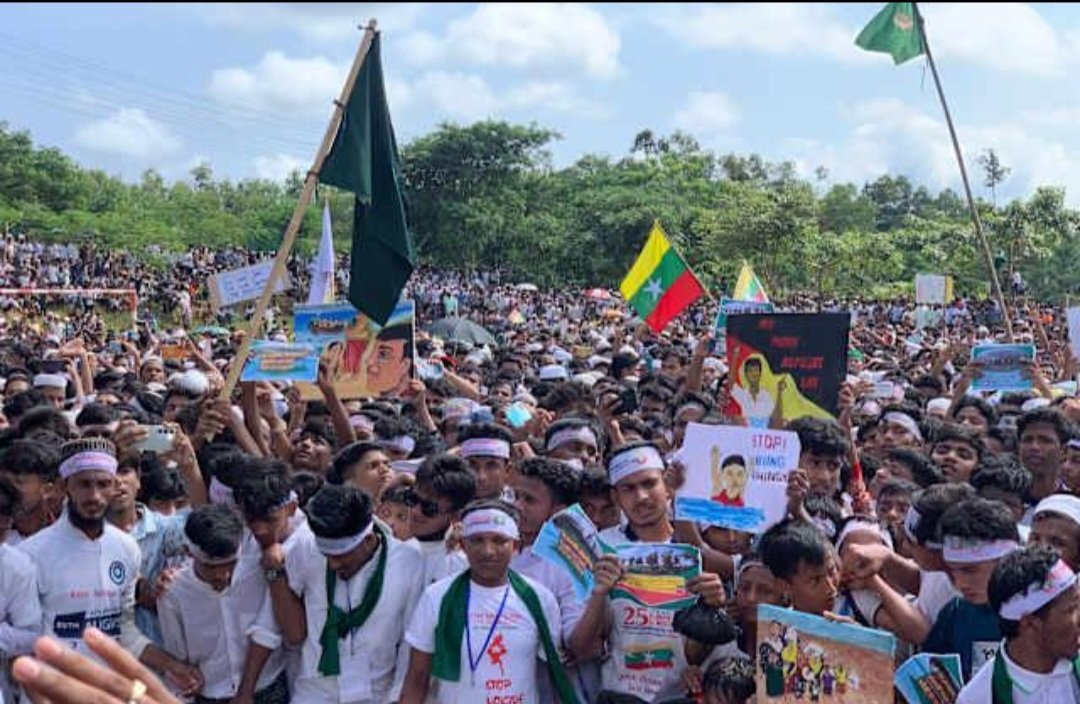
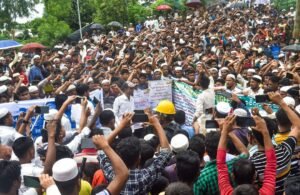
Tens of thousands of Rohingya refugees living in camps in southeastern Bangladesh have taken part in a mass rally demanding a safe, voluntary and dignified return to their homeland in Myanmar.
The demonstration was held on Tuesday, August 25, in Cox’s Bazar as the Rohingya marked nine years since a military crackdown in Myanmar’s Rakhine State forced hundreds of thousands of members of the minority community across the border into Bangladesh.
The refugees urged the international community to help create the security conditions necessary for their return to Rakhine, while also demanding justice and recognition of the suffering they say they endured during the 2017 crackdown.
More than one million Rohingya refugees now live in dozens of overcrowded camps around Cox’s Bazar. Most fled Myanmar in 2017 following a military operation that came after attacks by a Rohingya insurgent group.
The rally, which coincided with what Rohingya groups call the Ninth Anniversary of Rohingya Genocide Day, reflected growing frustration over the prolonged displacement of the community.
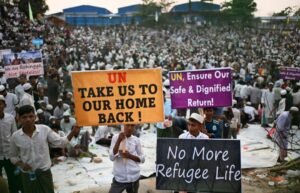
Refugee leaders have repeatedly said they do not want to remain indefinitely in Bangladesh but will only return when conditions in Myanmar guarantee their safety, rights and dignity.
Efforts to organise the repatriation of Rohingya refugees have repeatedly stalled because of continuing instability in Myanmar, particularly in Rakhine State.
The security situation has become even more complicated as fighting continues between Myanmar’s military and the Arakan Army, which has expanded its control over parts of Rakhine.
A joint statement from diplomatic missions in Bangladesh, including the European Union, Britain and Canada, said conditions in Myanmar currently do not allow for the safe repatriation of the refugees.
The United Nations has also called for renewed international attention to the crisis, warning that the Rohingya face deepening insecurity while humanitarian funding for refugees in Bangladesh continues to shrink.
The UN refugee agency previously warned that declining humanitarian funding could significantly worsen conditions for about 1.2 million Rohingya refugees in Bangladesh, with aid organisations struggling to maintain essential services.
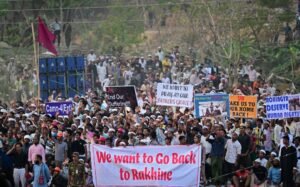
During Tuesday’s demonstration, protesters called for an end to what they described as an unsustainable refugee existence and demanded guarantees that they would be able to return to their homes safely.
Many also called for recognition of their rights and an end to discrimination against the Rohingya in Myanmar.
The International Court of Justice is considering allegations that Myanmar committed genocide against the Rohingya, while Myanmar has rejected the genocide allegations.
For Bangladesh, the continued presence of more than one million refugees has created significant humanitarian and economic pressures, making a safe and sustainable solution increasingly urgent.
For the refugees, however, the message from Tuesday’s rally was clear: they want to go home, but only when returning to Myanmar is safe, voluntary and dignified.