
World News
U.S., Iran Reach Tentative Peace Deal as Trump Orders End to Naval Blockade

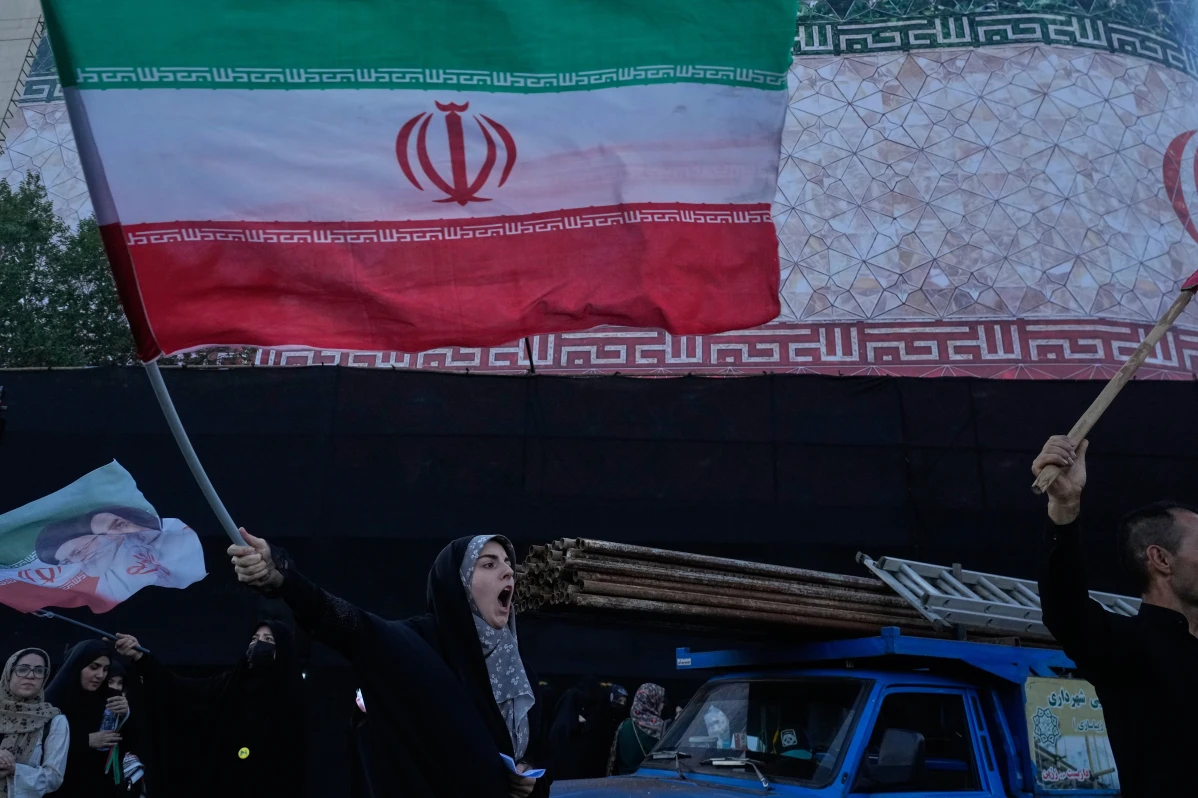
The United States and Iran have reached a tentative agreement aimed at ending months of conflict, with U.S. President Donald Trump announcing that he has ordered an end to the U.S. naval blockade of Iranian ports as part of a broader peace framework. The agreement, brokered with the assistance of Pakistan and Qatar, is expected to be formally signed in Switzerland later this week.


According to officials from both countries, the framework calls for a halt to hostilities, the reopening of the strategic Strait of Hormuz, and the lifting of restrictions that have disrupted regional trade and global energy supplies for months. The agreement is being viewed as the most significant diplomatic breakthrough since the conflict began earlier this year.

Trump announced the development on social media, declaring that the deal with Iran was complete and authorizing the end of the U.S. naval blockade imposed around Iranian ports. The blockade had been introduced in response to Iran’s actions in and around the Strait of Hormuz, one of the world’s most important oil shipping routes.
Under the draft agreement, Iran is expected to reopen the Strait of Hormuz to international commercial shipping, while Washington would begin easing economic pressure measures, including suspending some sanctions and facilitating discussions on the release of frozen Iranian assets. Iranian officials have indicated that oil sanctions waivers and asset releases form part of the proposed framework.
However, one of the most contentious issues, the future of Iran’s nuclear program remains unresolved. Negotiators have reportedly agreed to a 60-day period of additional talks during which both sides will seek a longer-term arrangement covering uranium enrichment, nuclear facilities, and international monitoring mechanisms.
The agreement has drawn mixed reactions internationally. Israel, which was not directly involved in the negotiations, has expressed concern that key security issues remain unsettled. Israeli officials have warned that Iran’s military capabilities and regional influence have not been fully addressed by the framework.

Financial markets responded positively to news of the breakthrough. Oil prices fell sharply as traders anticipated the reopening of the Strait of Hormuz and a resumption of normal energy exports from the Gulf region. The U.S. dollar also weakened against major currencies as investors shifted toward riskier assets amid hopes of reduced geopolitical tensions.
Despite the optimism, analysts caution that the agreement remains fragile until it is formally signed and implemented. Questions remain over the sequencing of sanctions relief, verification mechanisms, and whether all regional actors will support the ceasefire. The coming weeks are expected to determine whether the framework evolves into a lasting peace settlement or merely a temporary pause in hostilities.