
General News
UN Warns Global Water Cycle Is Becoming More Erratic As Freshwater Reserves Decline

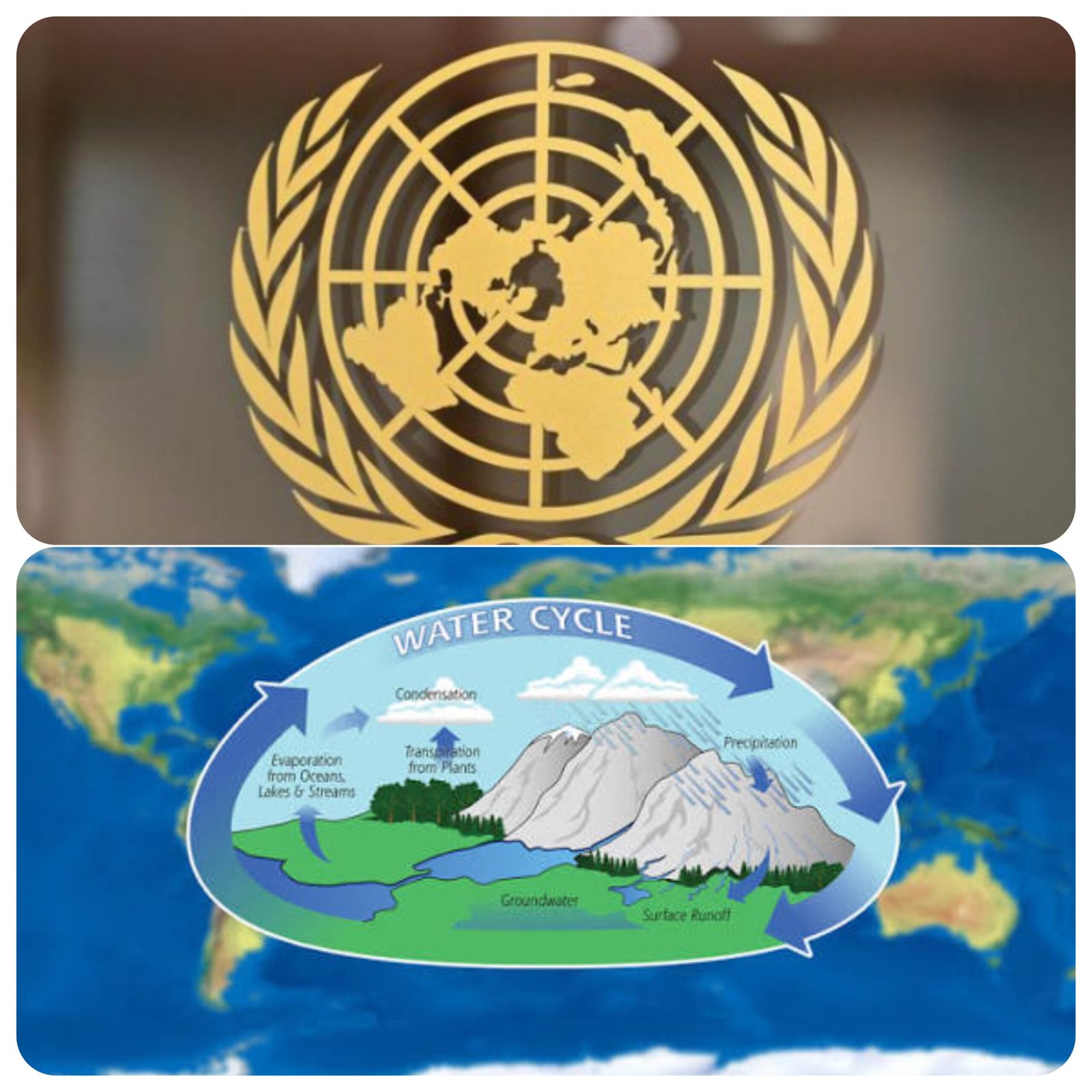
The United Nations has warned that the world’s water cycle is becoming increasingly unpredictable, with freshwater reserves declining as droughts, floods and other water-related disasters become more widespread.
The warning was contained in the World Meteorological Organization’s (WMO) annual State of Global Water Resources report released Thursday, which found that 2025 was among the driest years for rivers globally in more than three decades.
The report also said glaciers shrank across all regions in 2025, while groundwater levels in many parts of the world continued to decline over several years. Overall, global freshwater storage in groundwater, lakes, rivers, soil, vegetation, ice and snow remained on a decade-long downward trend.
WMO Secretary-General Celeste Saulo expressed particular concern over the depletion of what she described as “slow reserves”, including groundwater and glaciers, which traditionally act as a buffer during periods of drought.
“These reserves have served as a buffer that absorbs bad years so that a single drought or a single dry season does not translate directly into a water crisis,” Saulo told reporters.
“Now, we are depleting that savings account. We are spending our reserves.”
According to the report, glaciers lost an estimated 1,400 gigatonnes of water globally between 2023 and 2025. The loss is equivalent to the water needed to fill about 560 million Olympic-sized swimming pools and represents roughly one-third of the world’s annual freshwater withdrawals.
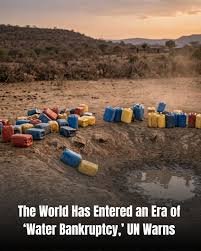
Saulo also said groundwater was showing a similar deterioration, noting that nearly two-thirds of monitored wells worldwide recorded conditions outside their historical norms in 2025.
The WMO warned that the depletion of water reserves is occurring alongside an increase in water-related disasters, with the current El Niño pattern expected to intensify drought risks in some regions while increasing the likelihood of flooding elsewhere.
El Niño, the warm phase of a natural climate cycle, is characterised by above-average Pacific Ocean temperatures and can alter global wind and rainfall patterns.
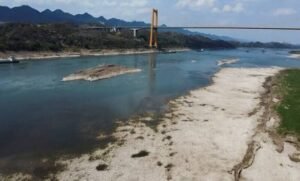
The WMO said rivers were already experiencing abnormal conditions before the latest El Niño pattern emerged. In 2025, the year was among the three driest for global rivers recorded over the past 35 years.
For the seventh consecutive year, river basins experiencing normal conditions represented a clear minority. Only about 36 per cent of basins recorded normal flows, while an equal proportion experienced below-normal discharge and 21 per cent recorded above-normal flows.
The WMO stressed the need for stronger international cooperation and improved water data collection to better monitor changes in the global water cycle.
Saulo said water systems required shared data, standards and early-warning mechanisms because rivers and other water resources frequently cross national borders.
“Weather respects no borders, and this is especially true for water,” she said, stressing that a river basin can be fed by water originating in another country.
The WMO also pointed to the cross-border consequences of glacier-related disasters, underscoring the need for countries sharing water systems to strengthen preparedness and cooperation.