
World News
Health Experts Meet Over Vaccine Options for Deadly Ebola Strain

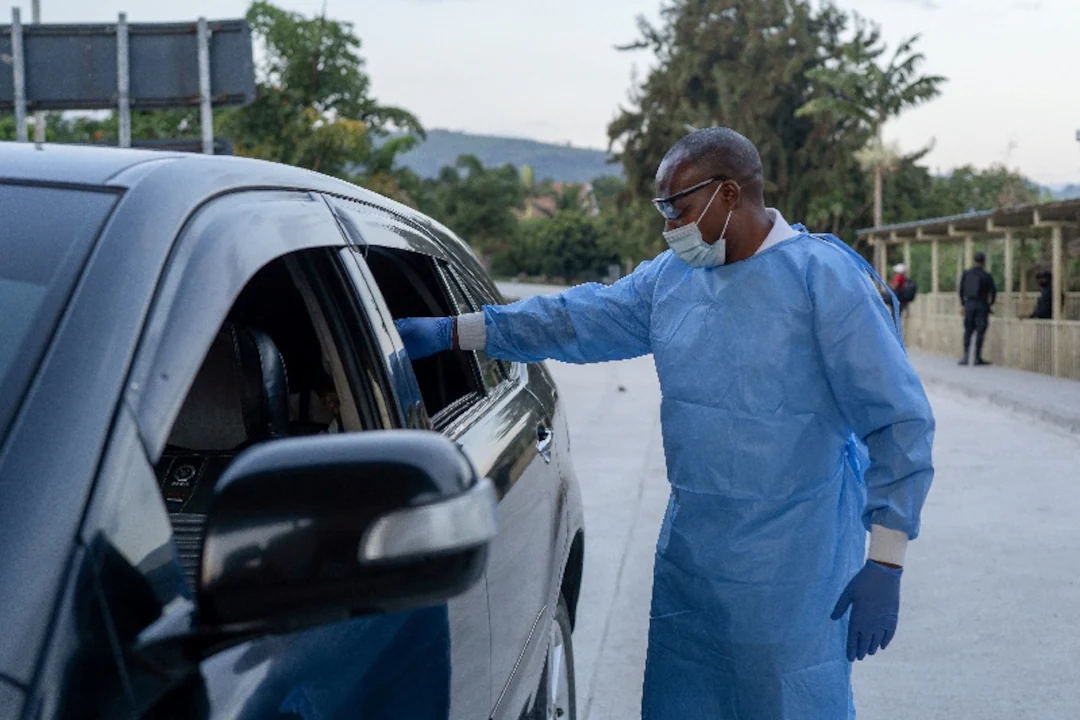
International health experts on Tuesday convened an emergency meeting to discuss possible vaccine options for the deadly Bundibugyo strain of Ebola currently driving a major outbreak in eastern Democratic Republic of Congo (DRC).
The meeting, led by the World Health Organization in collaboration with the Africa Centres for Disease Control and Prevention, comes as the outbreak continues to spread across parts of the DRC and neighboring Uganda. Health officials say the outbreak has resulted in more than 130 suspected deaths and over 500 reported cases.
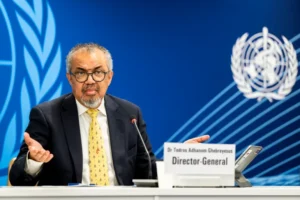
According to health authorities, there are currently no approved vaccines or treatments specifically designed for the Bundibugyo strain, which has a fatality rate estimated at up to 40 percent. The strain was first identified in Uganda in 2007 and remains one of the rarer forms of the Ebola virus.
Experts are now evaluating whether existing Ebola vaccines, including Merck’s Ervebo vaccine developed for the Ebola Zaire strain, could offer some level of protection. Preliminary animal studies have reportedly shown encouraging signs, though further scientific review is needed before any deployment decisions are made.
Dr. Mosoka Fallah of the Africa CDC said the expert panel would assess available evidence and determine the best strategy to contain the outbreak despite the absence of established countermeasures.

The WHO has already declared the outbreak a public health emergency of international concern, warning that the disease is spreading rapidly in conflict-affected regions with weak healthcare infrastructure. Cases have also been reported in urban areas and among healthcare workers, raising fears of wider regional transmission.
Meanwhile, emergency medical supplies, including protective equipment and testing materials, are being transported into affected areas as authorities intensify surveillance, contact tracing, and treatment efforts.