
World News
U.S. Legal Aid Crisis Puts More Than 20,000 Migrant Children at Risk; Raising Deportation Fears

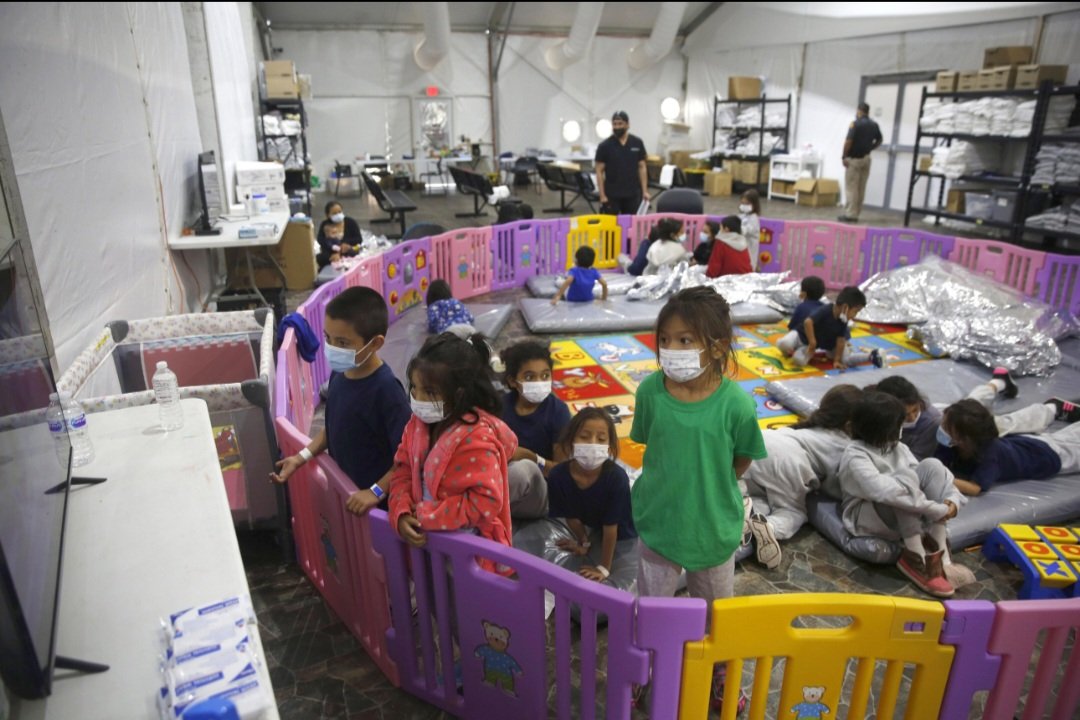
Thousands of unaccompanied migrant children in the United States could soon lose access to legal representation after a federal contract funding immigration legal services expired, prompting warnings from child advocates that many minors may now face deportation proceedings without a lawyer.


The contract, administered through the Acacia Center for Justice, has funded nearly 100 nonprofit legal organizations that provide legal advice, court representation and “Know Your Rights” education to migrant children who entered the U.S. without a parent or legal guardian. With no replacement agreement in place, advocates estimate that around 20,000 children could be left without legal assistance as they navigate the complex U.S. immigration system.
The legal aid agreement expired on July 31, after months of uncertainty surrounding its renewal.

Legal service providers say the U.S. Department of Health and Human Services (HHS) has withheld more than $65 million in payments for work completed since late 2025. According to the organizations, the government conditioned payment on the release of sensitive client information, including confidential records relating to children’s immigration cases. The Acacia Center declined those terms, arguing they would violate attorney-client confidentiality and jeopardize vulnerable children.
As a result of the funding impasse, many nonprofit organizations have already reduced staff, suspended new cases and, in some instances, closed immigration programs altogether.
Unlike defendants in criminal proceedings, people appearing in U.S. immigration courts; including children, are not guaranteed government-funded legal representation.

Without attorneys, many migrant children could be forced to represent themselves before immigration judges despite language barriers, trauma and limited understanding of U.S. immigration law. Legal advocates warn that children who may qualify for asylum, protection from trafficking or special immigration status could instead receive deportation orders simply because they are unable to present their cases effectively.
Advocates say legal representation has long been regarded as one of the strongest factors influencing whether vulnerable children can successfully pursue lawful protection in the United States.
The contract’s expiration comes as the Trump administration continues to expand immigration enforcement and accelerate deportation proceedings.
Recent policy changes have increased the number of fast-tracked immigration hearings involving unaccompanied minors. At the same time, investigations have revealed that information collected through the Office of Refugee Resettlement (ORR) has been shared with U.S. Immigration and Customs Enforcement (ICE), leading to the arrest of thousands of migrant children, their sponsors and family members. Critics argue the practice has discouraged relatives from coming forward to care for children out of fear of immigration enforcement.

Federal officials have not announced a long-term replacement for the expired contract.
The Department of Health and Human Services has said it continues exploring options to ensure children receive legal services, but it has offered few details about how representation will continue after the contract’s expiration. The agency has also defended requests for greater financial oversight and documentation from legal service providers.
Immigration lawyers and child welfare organizations have described the loss of legal services as a major humanitarian concern.
They argue that many of the affected children fled gang violence, persecution, abuse or trafficking in their home countries and may qualify for humanitarian protections under U.S. law. Without legal counsel, advocates fear many legitimate claims could go unheard, increasing the likelihood of deportation to dangerous environments.
Several organizations are also pursuing legal action to recover unpaid federal funding and compel the government to continue supporting legal representation for migrant children. Hearings in those cases are expected in the coming weeks.
Unless a new funding agreement is reached quickly, thousands of migrant children may soon appear before immigration judges without legal representation, creating what advocates describe as one of the most significant challenges to due process in the U.S. immigration system in recent years.
The outcome of ongoing court cases, negotiations over federal funding and future immigration policies will determine whether these children regain access to legal assistance or face removal proceedings largely on their own.