
World News
US Restructures Visa Services Across Africa, Affecting Abuja and 24 Other Cities

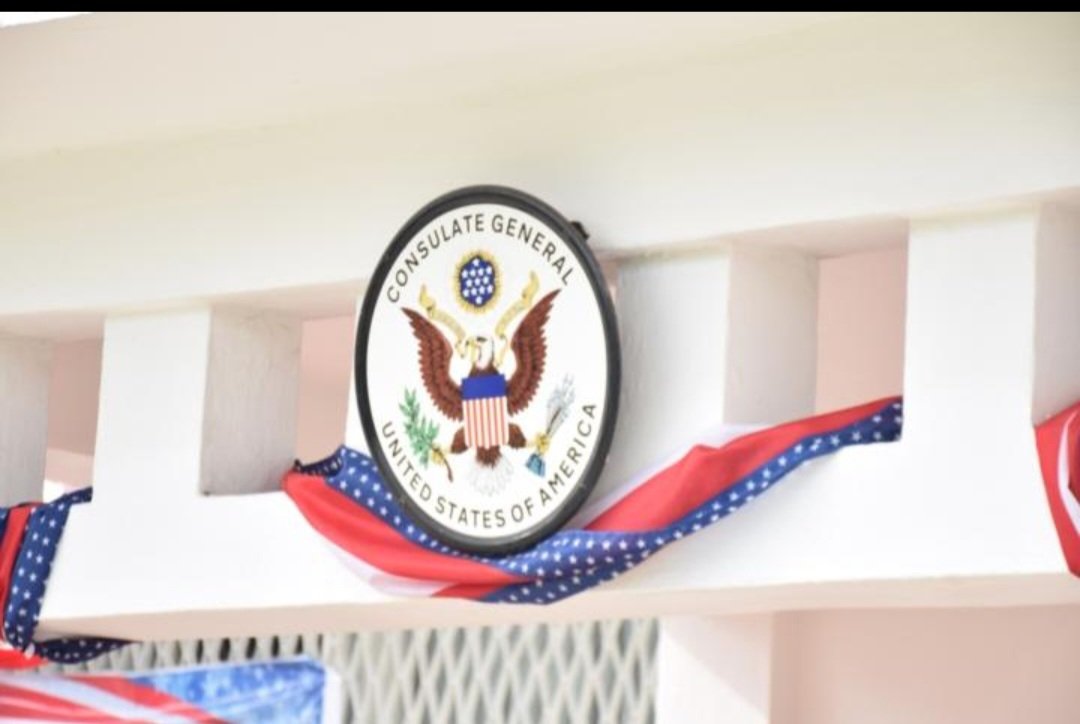
The United States Department of State has announced a major restructuring of its visa operations across Africa, confirming that routine visa processing at the U.S. Embassy in Abuja and 24 other diplomatic posts will be transferred to designated regional visa hubs from August 1, 2026. The move is part of a continent-wide overhaul that Washington says is aimed at improving efficiency, strengthening security screening and standardising visa adjudication procedures.


Under the new arrangement, routine immigrant and non-immigrant visa services will no longer be handled in Abuja. Instead, applicants in Nigeria requiring routine visa appointments will be directed to the U.S. Consulate General in Lagos, which will serve as the country’s designated regional visa hub. Abuja will continue to operate as an embassy, providing services such as assistance to U.S. citizens, emergency consular support and certain limited visa-related functions, but it will cease routine visa processing.
The policy affects 25 diplomatic posts across Africa, including Abuja, Antananarivo, Asmara, Bamako, Banjul, Brazzaville, Bujumbura, Conakry, Cotonou, Durban, Freetown, Gaborone, Harare, Juba, Libreville, Lilongwe, Lusaka, Maputo, Maseru, Mbabane, N’Djamena, Niamey, Nouakchott, Ouagadougou and Windhoek. Applicants from these locations will instead be required to schedule appointments and pay visa fees at one of 20 designated regional hubs, including Lagos, Accra, Nairobi, Johannesburg, Dakar and Addis Ababa.
According to the State Department, the reorganisation is intended to ensure more consistent screening, vetting and adjudication standards while making better use of consular resources. Officials stressed that the change does not amount to the closure of embassies or consulates, but rather a realignment of where routine visa interviews and processing will take place.
The State Department also clarified that applicants who already have appointments at affected embassies should monitor their email accounts for updated instructions. Existing valid U.S. visas remain unaffected by the changes, and applicants with ongoing cases will receive country-specific guidance on how their applications will be handled. Medical examinations for immigrant visas may still be completed in applicants’ home countries where approved panel physicians are available.
Immigration experts say the policy could significantly increase travel costs and logistical challenges for applicants in countries that no longer have routine visa processing. In Nigeria, however, the impact is expected to be less severe than in many other African countries because Lagos will continue to provide full visa services, although applicants who previously used the Abuja embassy will now need to travel to the commercial capital for interviews.
The restructuring follows a broader review of U.S. diplomatic operations under the Trump administration, which has introduced several immigration and visa policy changes in recent months. The State Department maintains that the new hub system will improve operational efficiency while ensuring that visa decisions continue to meet rigorous national security standards.