
Opinion
Nigeria Economic Policy Missteps and It’s Affordability Crisis

By AVM (RTD) AKUGBE IYAMU
Nothing contributes so much to tranquilise the mind as a working economic policy. The type on which citizens may fix their survival eyes. Economic policies are festivals of life and sustenance, a faith in the continuation of the commonwealth and individual survival. That is what sustain a country from generation to generation.
Every reform policy out to be accompanied by projections as to where the reforms will lead and what good will come to the society after the deprivation, there have been silence in all these matters thereby leaving adversity to wear a new face and it is now exposing what history has already exposed as flawed.
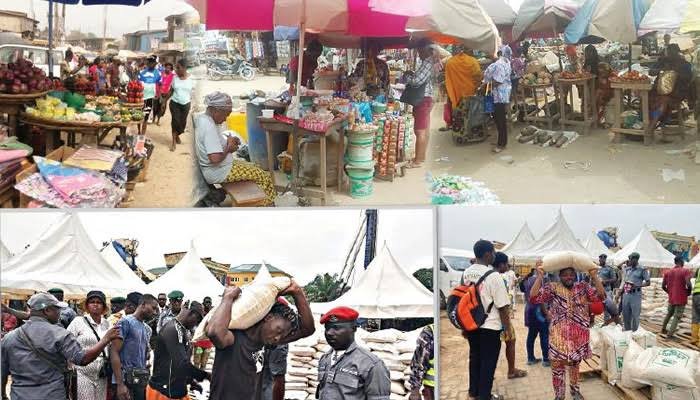
There is something called affordability crisis, a social and economic malaise that is afflicting many countries. Rich and poor countries alike are facing a viral inability of majority of citizens to afford basic things of life: food, gasoline, transportation, primary medical care, house rents and access to employment.
This is affordability crisis and it is meeting Nations where they are whether rich or poor, developing or developed, it does not matter. The specific degree and nature are of course localised and in most cases, the nature and enormity differs.
Before we delve into the main issue, let us understand the difference between multidimensional poverty and affordability crisis: While an affordability crisis describes the temporary, market-driven struggle to pay for specific goods or services (like housing or food), multidimensional poverty is a structural, deeply entrenched state of deprivation across multiple aspects of life, including health, education, and basic living standards.
Chronic, structural poverty is primarily measured in low- and middle-income regions.
An affordability crisis is a socio-economic challenge where the majority of citizens are unable to comfortably afford the basic necessities of life, such as food, housing, healthcare, and transportation, because the cost of living significantly outpaces wage growth.
An affordability crisis can deeply impact communities. When essential workers (such as teachers, nurses, and service workers) are priced out of the cities where they work, the quality of local services and broader economic growth decline.
In Nigeria, for example, the National Bureau of Statistics tracks multidimensionally poor populations, revealing that a large percentage of citizens face concurrent deprivations beyond just a lack of money.
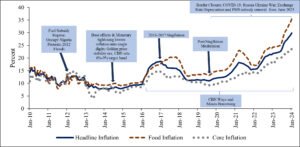
Nigeria is currently grappling with a severe cost-of-living and housing affordability crisis arising from sweeping economic reforms, including the removal of gasoline subsidies and the liberalization of the Naira, have triggered hyperinflation.
This combination of stagnant wages, devalued currency, and soaring costs has left millions unable to afford basic shelter, food, and daily essentials.
The cost of a healthy adult diet per day has climbed significantly. With the minimum wage failing to match the surging costs of imported and locally produced goods, many families have been forced into poverty.
Stagnant wages occur when worker compensation remains flat or increases too slowly to keep pace with the rising cost of living. Over the past decade, despite significant jumps in overall economic productivity and corporate profits, the purchasing power of many average earners has barely moved once adjusted for inflation.
Its primary effects include diminished purchasing power, increased reliance on debt, widening wealth inequality, reduced consumer spending, and broader economic slowdowns.
Nigeria’s economy faces a critical paradox: despite macroeconomic improvements like easing inflation and a rallying naira, household purchasing power remains severely depressed.
The current national minimum wage of ₦70,000 falls well below realistic living thresholds, trapping millions of workers in a cycle of stagnant wages and poverty.
It is clearly demonstrated that Nigeria still live in the distant past when the rest of the world are exploring outer space and engineering solutions to solve the myriad challenges facing humanity.
As Nigeria continues to navigate this affordability crisis, citizens need to be empowered to live fully in a realistic and productive environment.
AVM (RTD) AKUGBE IYAMU MNSA fsi
PRESIDENT ASSOCIATION OF ENVIRONMENTAL PROTECTION AND CLIMATE CHANGE PRACTITIONERS
CONSULTANT ON CLIMATE CHANGE AND ANALYST ON ENVIRONMENTAL POLICIES
WARNING!!!!
No part of this publication can be reproduced or edited by anyone without the necessary permission from the author.