
International
Senate Passes Major Immigration Enforcement Package Amid Dispute Over Trump-Linked Fund

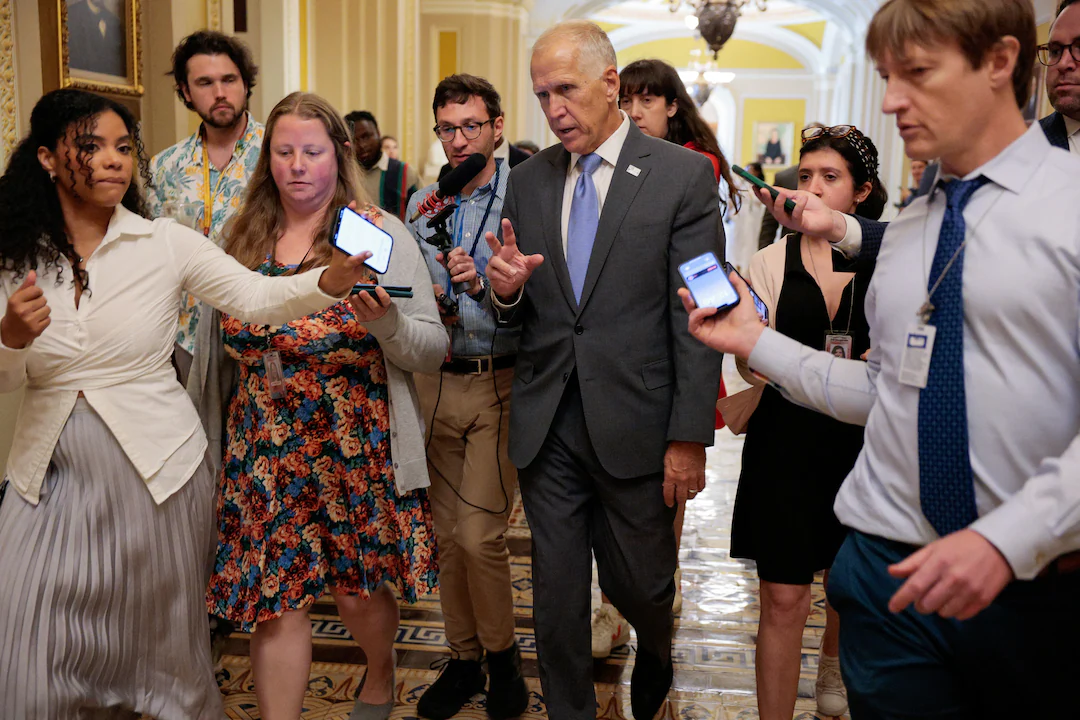
The U.S. Senate has approved a $70 billion immigration enforcement package that will fund Immigration and Customs Enforcement (ICE) and Border Patrol operations through the remainder of President Donald Trump’s term, following a lengthy and contentious debate on Capitol Hill.
The legislation passed by a 52-47 vote, largely along party lines, marking a significant victory for the Trump administration’s immigration agenda. The bill now moves to the House of Representatives for consideration.
A major point of contention during the debate was a controversial $1.8 billion “anti-weaponization” fund established by the Justice Department. Critics argue the fund could be used to compensate Trump allies who claim they were unfairly targeted by government investigations and prosecutions.
Democrats, led by Senate Minority Leader Chuck Schumer, sought to permanently block the fund through an amendment. However, the proposal narrowly failed in a 49-50 vote, with only a handful of Republicans joining Democrats in support of the ban.

Several Republican senators also expressed concerns about the fund and proposed alternative measures to either eliminate it or redirect the money to other federal programs. Those efforts were ultimately unsuccessful.
The controversy exposed divisions within the Republican Party, with some lawmakers arguing that assurances from the Justice Department that the fund would not be activated were insufficient without legislative safeguards.

Supporters of the immigration bill said the funding is essential to strengthen border security, expand enforcement capabilities, and support the administration’s deportation and immigration control policies. Opponents argued that Congress should have imposed stricter oversight measures and resolved concerns surrounding the settlement fund before approving the package.
The Senate vote followed weeks of political wrangling and an all-night voting session, underscoring the growing tensions surrounding immigration policy and the role of the controversial fund as lawmakers head toward the next election cycle.