
International
Elon Musk Labels UK a ‘Police State’ Over Planned Social Media Age Checks

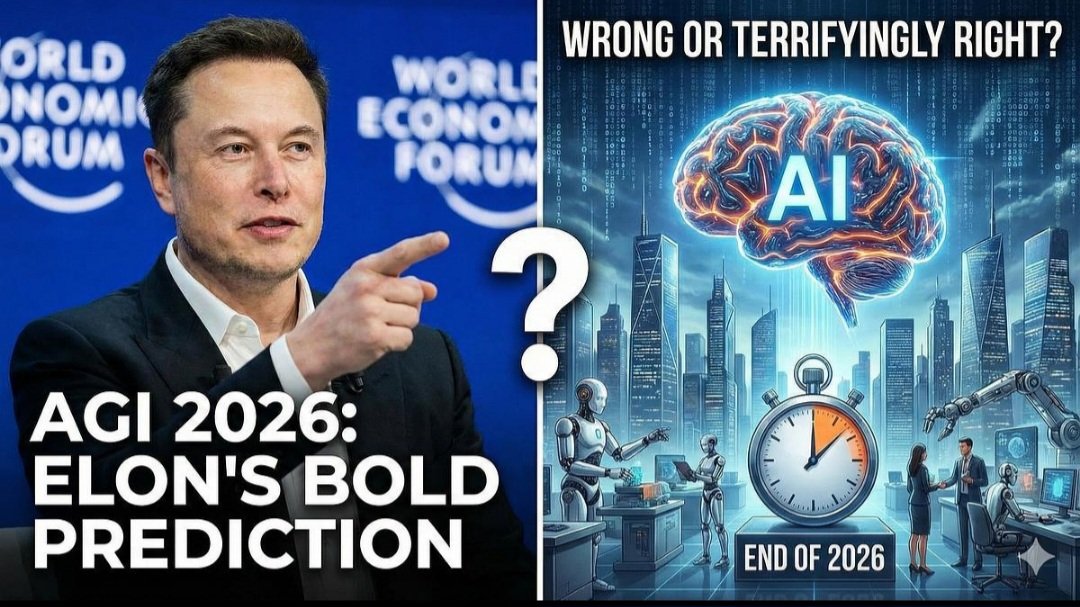
A fresh dispute has emerged over the United Kingdom’s planned social media restrictions after billionaire entrepreneur Elon Musk criticized the government’s verification requirements, describing Britain as a “police state.”
The controversy follows the UK government’s announcement of sweeping measures aimed at restricting access to social media platforms for users under the age of 16. Officials have emphasized that adults will continue to have access to social media services but may be required to verify their age and identity through approved methods, including digital identification systems, facial age-estimation technology, passports, and, in some cases, credit card verification.
Responding to reports outlining the verification requirements, Musk posted on his social media platform X that the policy was evidence that the United Kingdom had become a “police state.” His comments quickly attracted attention from supporters and critics alike, reigniting debate about the balance between online safety and personal privacy.
The British government has defended the measures, arguing that stronger age-verification systems are necessary to protect children from harmful content, cyberbullying, online predators, and other digital risks. Officials insist that the policy is focused on child safety rather than monitoring adults’ online activities.

According to government proposals, social media companies would be responsible for ensuring compliance with age restrictions and implementing effective verification systems. Regulators have said the rules are designed to prevent children from bypassing age limits while minimizing the amount of personal data collected from users.
Supporters of the policy argue that stronger protections are needed as evidence grows about the impact of social media on young people’s mental health and well-being. Child-safety advocates have welcomed the government’s willingness to impose stricter obligations on technology companies.
However, privacy campaigners and civil liberties groups have expressed concerns about the potential implications of widespread identity verification. Critics argue that requiring users to prove their identity before accessing online platforms could create risks related to data security, surveillance, and freedom of expression.
Musk’s remarks reflect broader concerns among some technology industry figures who believe governments are increasingly expanding digital regulation in ways that could affect individual privacy. The owner of X has repeatedly criticized online content regulations in several countries, often arguing that they can undermine free speech and open internet principles.
The UK government has rejected suggestions that the measures amount to excessive state control, stressing that the policy targets age verification rather than political monitoring. Ministers maintain that protecting children online remains a priority and that technology companies have a responsibility to provide safer digital environments.
The debate is expected to intensify as the legislation moves through Parliament, with lawmakers, technology firms, privacy advocates, and child-protection groups likely to continue arguing over where the line should be drawn between online safety and civil liberties.