
International
Trump’s Anti-DEI Crackdown Reshapes Corporate America as Boardroom Diversity Declines

The Trump administration’s campaign against Diversity, Equity and Inclusion (DEI) programmes is reshaping corporate America, with new data showing a sharp decline in the appointment of women and racial minorities to the boards of some of the country’s largest companies. Business leaders, investors and legal experts say the political and regulatory changes are altering hiring practices and boardroom priorities across the United States.


According to governance data cited by Reuters, only 40% of newly appointed independent directors at S&P 500 companies this year are women or members of racial or ethnic minority groups; the lowest proportion since 2014. The figure marks a significant reversal after years in which companies had expanded diversity efforts following movements such as #MeToo and Black Lives Matter.

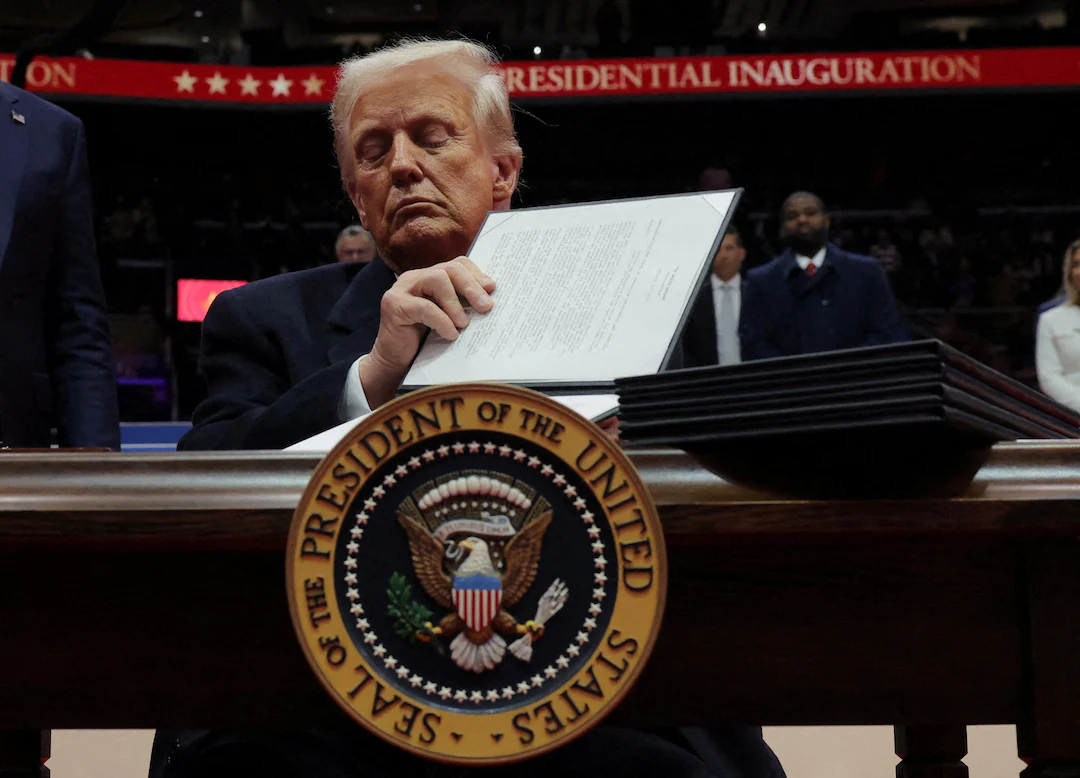
The shift follows a series of actions by President Donald Trump aimed at dismantling DEI initiatives. His administration has issued executive orders targeting diversity programmes within government agencies, federal contractors and institutions receiving federal funding, arguing that some DEI policies discriminate on the basis of race or gender rather than promoting merit-based decisions.
The administration has also directed the Equal Employment Opportunity Commission (EEOC) to scrutinise workplace diversity programmes for possible violations of federal anti-discrimination laws. At the same time, officials have cited the 2023 U.S. Supreme Court ruling ending race-conscious university admissions as reinforcing a broader legal shift away from policies that explicitly consider race. Although that ruling applied to higher education rather than private companies, many corporate legal advisers say it has encouraged businesses to reassess their own diversity strategies.

Another major factor has been a change in the approach of influential institutional investors. Large asset managers including BlackRock, Vanguard, and State Street have reportedly reduced the emphasis they once placed on board diversity when voting in shareholder elections. Without the same pressure from investors, many companies have increasingly prioritised recruiting experienced chief executives and financial executives, groups that remain predominantly white and male.
Corporate America has responded in different ways. Some businesses have removed DEI language from annual reports, revised diversity targets or rebranded inclusion programmes under broader talent-development initiatives. Others insist they remain committed to building inclusive workplaces while ensuring compliance with evolving legal requirements. Several law firms have also become more cautious about publicly reporting diversity statistics amid growing political and regulatory scrutiny.

Supporters of the administration argue that the changes restore fairness by ensuring promotions and hiring decisions are based solely on qualifications and performance rather than demographic characteristics. They contend that workplace equality should focus on equal opportunity rather than numerical diversity targets.
Critics, however, warn that the rollback could erase years of progress in expanding opportunities for women and minority professionals. Civil rights advocates argue that diversity programmes help address longstanding structural barriers and improve corporate decision-making by bringing broader perspectives into leadership positions. They fear the current trend could lead to less representative corporate leadership and weaken efforts to address inequality in the workplace.
As legal challenges continue and companies adapt to the changing regulatory landscape, corporate governance experts say the debate over DEI is likely to remain one of the defining issues facing American businesses. Whether the recent decline in diverse board appointments proves temporary or signals a lasting transformation will depend on future court rulings, government policies and investor expectations.