
International
China Moves to Criminalise AI-Enabled Cyberbullying Under New Draft Law

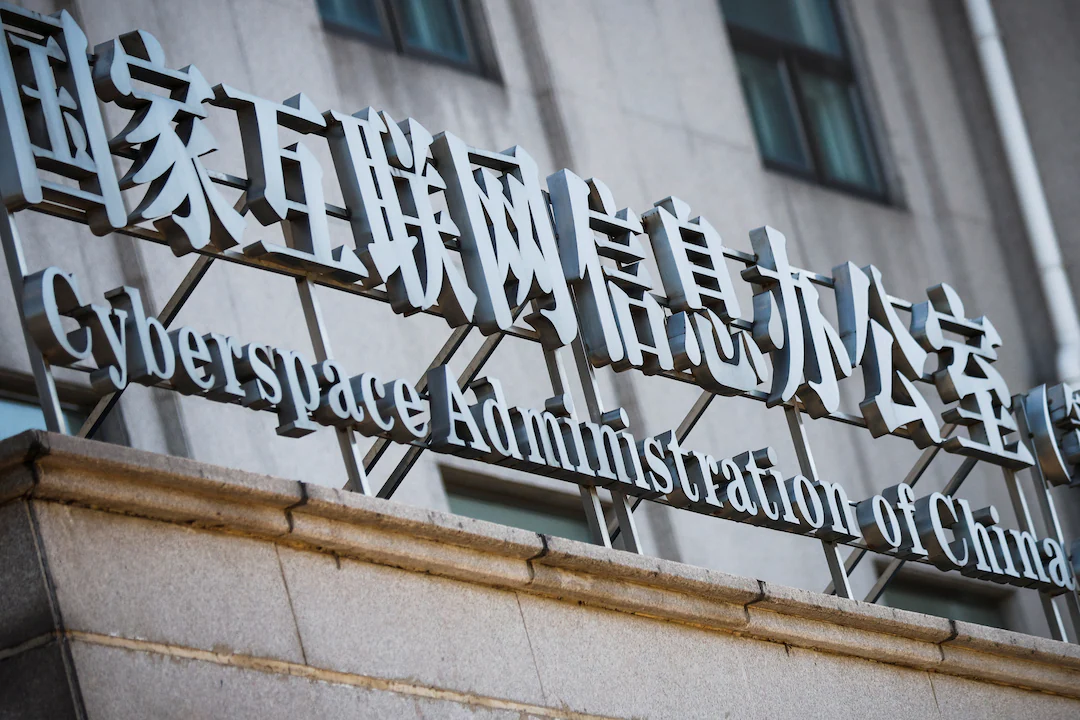
China has unveiled a draft Anti-Cyberbullying Law that would significantly expand the country’s regulation of online behaviour by specifically targeting harassment carried out with artificial intelligence technologies, including deepfakes, AI-generated impersonation and other forms of digitally enhanced abuse. The proposed legislation marks Beijing’s latest effort to tighten oversight of cyberspace while responding to the rapid evolution of generative AI.


The draft, published on Wednesday by the Cyberspace Administration of China (CAC) for public consultation, is designed to prevent, stop and punish cyberbullying while protecting the rights of internet users. Authorities said the law reflects the need to address new forms of online abuse made possible by artificial intelligence, which can create convincing fake images, videos, voices and messages capable of humiliating, threatening or misleading victims.
Under the proposed legislation, online platforms would be required to establish stronger systems for detecting, preventing and removing cyberbullying content. Companies could also be obliged to respond rapidly to complaints, preserve digital evidence for investigations and cooperate with law enforcement agencies when serious cases arise. Failure to meet these obligations could expose platforms to legal penalties.
One of the most notable features of the draft is its explicit inclusion of AI-enabled abuse. The law would cover the use of artificial intelligence to generate defamatory content, fabricate evidence, create deepfake videos or audio recordings, impersonate individuals and coordinate online harassment campaigns. Legal experts say the proposal reflects growing concern that advances in AI are making cyberbullying more sophisticated and more difficult to detect.
The proposal also strengthens protections for victims. Individuals subjected to online harassment would have the right to demand that offending content be removed promptly, request corrections or apologies where appropriate, and seek compensation through legal channels. Authorities also propose stronger measures to safeguard minors and other vulnerable groups, who are often disproportionately affected by online abuse.
The draft law forms part of a broader campaign by Beijing to tighten regulation of artificial intelligence and online services. In recent months, Chinese regulators have introduced draft rules governing AI systems that simulate human personalities, requiring stronger safety measures, clearer labelling of AI-generated content and protections against emotional manipulation and addiction.
Technology companies operating in China are expected to face increased compliance costs if the law is adopted. Social media platforms, messaging services, AI developers and internet companies would likely need to invest more heavily in automated moderation systems, content review teams and user-protection mechanisms to meet the proposed standards.
The publication of the draft opens a public consultation period running until 28 August 2026, during which citizens, businesses and legal experts can submit comments before the legislation is finalised. While amendments are still possible, analysts say the proposal underscores China’s determination to build one of the world’s most comprehensive legal frameworks for regulating both online conduct and the growing use of artificial intelligence.