
International
Barred From Election, Bolsonaro Turns to AI as Brazil Debates Digital Campaigning

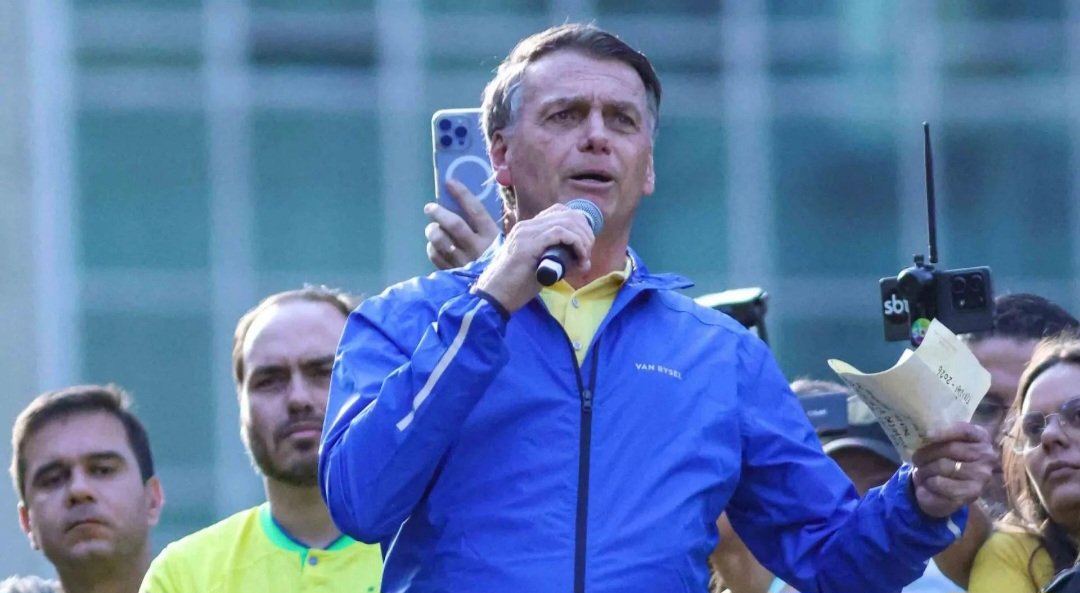
With former Brazilian President Jair Bolsonaro barred from contesting this year’s presidential election, his political allies are exploring whether artificial intelligence could help keep his influence alive through a digital avatar. The idea has ignited a fierce legal and ethical debate in Brazil, raising questions about how AI-generated politicians should be regulated during election campaigns.


Bolsonaro was ruled ineligible to run for public office until 2030 after Brazil’s Superior Electoral Court (TSE) found that he had abused his political power by spreading unfounded claims about the country’s electronic voting system ahead of the 2022 election. Although he cannot appear on the ballot, the conservative leader remains one of Brazil’s most influential political figures and continues to command strong support among millions of voters.

According to people familiar with discussions inside Bolsonaro’s political camp, advisers have been experimenting with AI technology capable of generating realistic videos and speeches that closely resemble the former president. The proposed digital avatar could potentially appear in campaign materials, online broadcasts and social media content to endorse allied candidates or deliver political messages without Bolsonaro physically taking part in campaign events.
The proposal, however, has prompted legal experts to question whether such an approach would comply with Brazil’s electoral laws. The country’s election regulations prohibit candidates who have been declared ineligible from participating directly in campaign activities. Lawyers remain divided over whether an AI-generated version of Bolsonaro would amount to political participation or merely constitute protected political expression.

Brazil’s electoral authorities have already introduced some of the world’s toughest rules governing artificial intelligence in elections. Campaign advertisements that use AI-generated images, voices or videos must clearly disclose that the content was created with artificial intelligence. The rules also prohibit the use of manipulated media intended to deceive voters or spread misinformation, with violations carrying significant penalties.
Supporters of Bolsonaro argue that an AI avatar would simply allow him to continue expressing his political views despite being barred from holding office. They insist that voters should have access to his opinions and endorsements, particularly as conservative parties prepare for the upcoming election.

Critics, however, warn that allowing an AI-generated Bolsonaro to campaign could undermine the court’s ruling and create a dangerous precedent for future elections. They also fear that increasingly sophisticated AI technology could make it difficult for voters to distinguish authentic political communication from digitally generated content, potentially fuelling misinformation and reducing public trust in democratic institutions.
The debate comes as governments around the world grapple with the rapid growth of generative artificial intelligence in politics. Countries including the United States, members of the European Union and India have all introduced or proposed regulations aimed at limiting deceptive AI-generated campaign material while protecting freedom of expression.
For Brazil, the Bolsonaro case could become one of the first major legal tests of how artificial intelligence intersects with election law. Electoral judges may ultimately decide whether a politician barred from running can still exert influence through a digital version of themselves, or whether such technology effectively circumvents the spirit of the court’s decision. The outcome is expected to shape future campaign strategies not only in Brazil but also in democracies worldwide as AI becomes an increasingly powerful political tool.