
International
Brexit’s Lasting Legacy: How Britain’s EU Exit Reshaped and Divided UK Politics

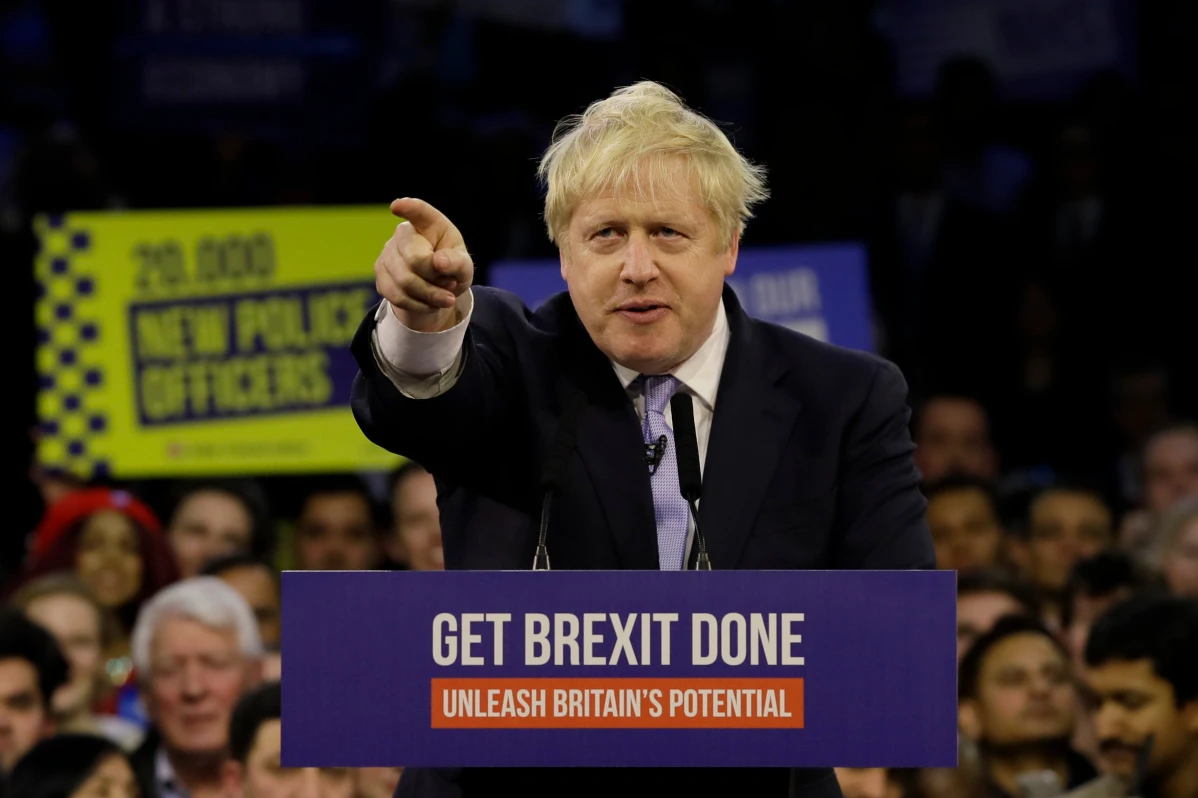
Ten years after British voters chose to leave the European Union, Brexit continues to cast a long shadow over the United Kingdom’s political landscape, fueling instability, party divisions, and growing public disillusionment with the country’s leadership.
The June 23, 2016 referendum, in which 52% of voters backed leaving the EU, triggered one of the most turbulent periods in modern British political history. Since the vote, the UK has seen a revolving door of leadership, with six prime ministers having served since then and a seventh expected, highlighting the political upheaval that followed the historic decision.
Analysts say Brexit fundamentally reshaped both of Britain’s major political parties. The Conservative Party became increasingly dominated by factions advocating different visions of Brexit, while the Labour Party has struggled to balance voters who supported leaving the EU with those who favored remaining. The divisions created by the referendum continue to influence election campaigns, policymaking, and public debate.
Economically, Brexit remains a subject of intense debate. While some sectors, including fintech and technology, have shown resilience, Britain’s overall economic performance has lagged behind many comparable economies. Researchers and economists have linked Brexit to weaker business investment, slower productivity growth, increased trade barriers, and persistent economic uncertainty.
The political consequences have been equally significant. Public trust in traditional parties has weakened, creating opportunities for alternative political movements, including the rise of parties such as Reform UK. Experts argue that Brexit transformed political identities, with many voters continuing to identify strongly as either “Leave” or “Remain,” long after the UK formally exited the EU in 2020.
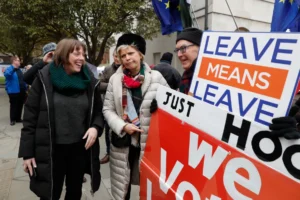
Recent opinion polls suggest that many Britons now view Brexit less favorably than they did a decade ago. Surveys indicate that a majority believe leaving the EU has negatively affected the economy, increased the cost of living, and failed to resolve key issues such as immigration control. Despite this shift in public opinion, neither of the major political parties has shown a willingness to reopen the question of EU membership.
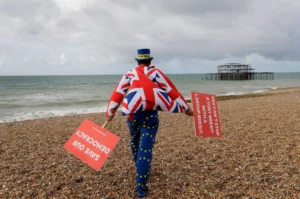
As Britain marks a decade since the referendum, Brexit remains more than an economic or diplomatic issue. For many observers, it has become a defining force in British politics; one that continues to shape elections, government stability, and the nation’s relationship with Europe.