
International
Senate Rejects New Bid to Limit Trump’s Iran War Authority After Closed-Door Showdown

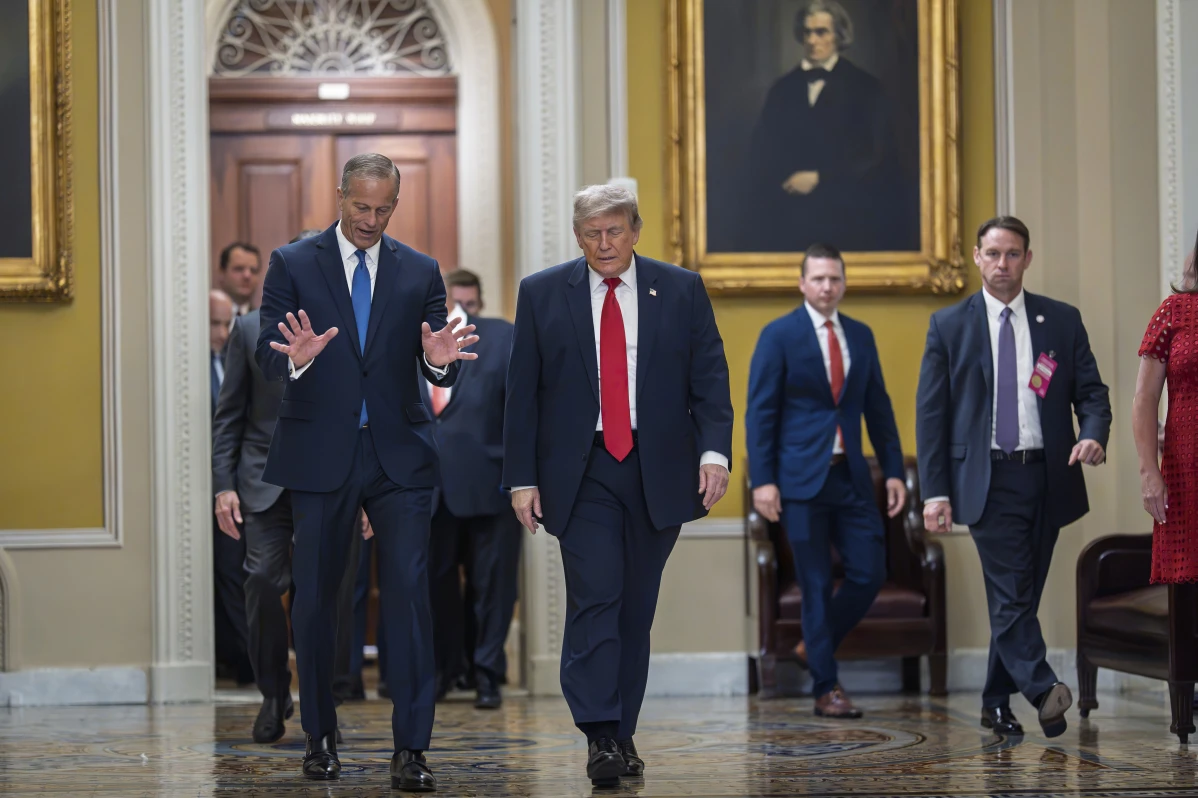
Senate Republicans held a second vote on legislation aimed at limiting President Donald Trump’s authority to continue military operations against Iran, with the measure ultimately failing after intense pressure from the president during a closed-door meeting on Capitol Hill.
The dramatic reversal came just one day after the U.S. Senate passed a bipartisan war powers resolution in a rare rebuke of Trump’s handling of the conflict with Iran. The earlier measure passed by a narrow 50-48 vote, with four Republican senators joining Democrats in supporting congressional oversight of the military campaign.
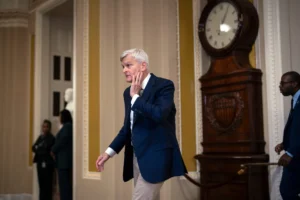
However, political tensions escalated on Wednesday when Trump met privately with Senate Republicans at the Capitol. According to multiple reports, the president sharply criticized Republican lawmakers who had supported the resolution and demanded greater loyalty from members of his party. The meeting reportedly became particularly heated during an exchange with Louisiana Senator Bill Cassidy, one of the Republicans who had voted in favor of the war powers measure.
Cassidy later told reporters that he challenged the administration over what he described as a lack of transparency regarding U.S. objectives in Iran. The senator argued that lawmakers and the American public had not received sufficient information about the duration, costs, and goals of the military operation. According to reports, Trump repeatedly interrupted Cassidy during the discussion, and the confrontation evolved into a shouting match witnessed by other Republican senators.
Following the tense meeting, Cassidy received a detailed White House briefing from Vice President JD Vance and Special Envoy Steve Witkoff regarding the administration’s strategy toward Iran. After the briefing, Cassidy changed his position and voted against a second war powers resolution brought before the Senate later that evening. Kentucky Senator Rand Paul, another Republican who had previously supported efforts to limit the president’s war powers, voted “present” rather than supporting the measure, helping ensure its defeat.
The failed vote represented a significant victory for Trump, who had publicly condemned Republicans supporting the original resolution. Reports indicate the president referred to dissenting lawmakers as “losers” and singled out Cassidy during the Capitol meeting. Despite the confrontation, Trump later described the gathering as productive while acknowledging disagreements remained within the party.
The dispute highlights growing divisions among Republicans over the administration’s Iran policy. While many GOP lawmakers continue to support the president, some have expressed concerns about the legal basis, strategic objectives, and long-term consequences of the military campaign. Critics argue that Congress should play a greater role in authorizing prolonged military operations, citing constitutional provisions that grant lawmakers authority over declarations of war.
The war powers debate has also complicated broader Republican legislative priorities. Senate leaders have been attempting to focus on economic issues and affordability concerns ahead of upcoming elections, but the Iran conflict has increasingly dominated political discussions in Washington. The disagreement has exposed fractures within the Republican Party at a time when leaders are seeking unity on key domestic and foreign policy issues.
The original war powers resolution was largely symbolic and did not carry the force of law, but its passage marked one of the most significant congressional challenges to Trump’s foreign policy since the conflict began. Democrats have argued that continued military action requires explicit congressional authorization, while the White House maintains that the president possesses sufficient constitutional authority to direct military operations in defense of U.S. interests.
As debate over the Iran conflict continues, lawmakers from both parties are expected to seek additional briefings from the administration regarding military objectives, diplomatic negotiations, and future funding requests. The White House recently submitted a supplemental funding proposal that includes tens of billions of dollars for military operations related to the conflict, setting the stage for further congressional battles in the coming weeks.