
International
Royal Accounts Show King Charles Contributed £12.9 Million in Tax

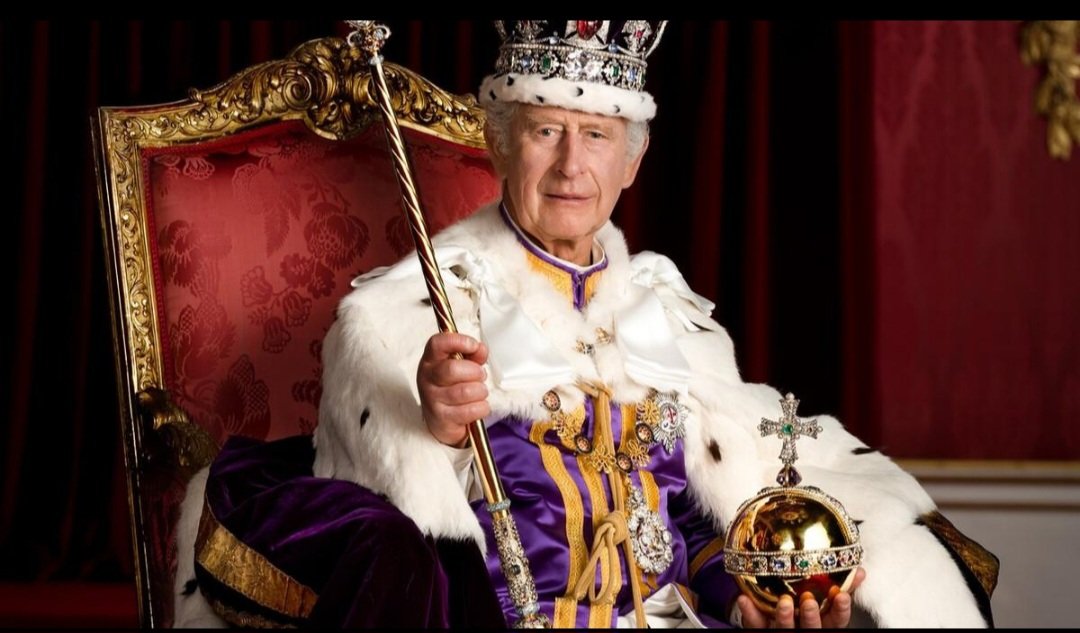
King Charles III has disclosed that he paid £12.9 million ($17.5 million) in income tax during the 2024–25 financial year, according to newly released royal financial accounts that provide a rare glimpse into the personal finances of the British monarch.
The figure was published as part of the annual report detailing the finances of the monarchy and the management of the Sovereign Grant, the public funding mechanism that supports the official duties of the Royal Family. The disclosure highlights the King’s continued practice of voluntarily paying income tax, despite the monarch not being legally required to do so under British law.
The tax payment primarily relates to income generated by the Duchy of Lancaster, a historic portfolio of land, property, and investments that provides private income to the reigning monarch. The Duchy of Lancaster has belonged to the Crown for centuries and serves as a key source of personal revenue for the King.
According to royal officials, the tax contribution was calculated on income from the Duchy after deducting official expenses related to the King’s constitutional duties and charitable activities. Buckingham Palace noted that the monarch continues to follow a longstanding arrangement under which the sovereign voluntarily pays tax on private income.
The publication of the accounts comes amid ongoing public interest in royal finances and the role of the monarchy in modern Britain. Supporters of the royal family have pointed to the disclosure as an example of transparency and accountability, while critics continue to call for greater scrutiny of royal wealth and public funding arrangements.

The annual financial report also provided updates on spending connected to the monarchy’s official functions, state visits, property maintenance, and the ongoing renovation of Buckingham Palace. Officials said modernization projects at the palace remain one of the largest long-term expenditures funded through the Sovereign Grant.
The Sovereign Grant itself is funded through profits generated by the Crown Estate, a vast collection of land and assets owned by the Crown but managed independently on behalf of the British state. A percentage of those profits is allocated annually to support the monarch’s official responsibilities.

Financial records showed that the monarchy continued to undertake hundreds of public engagements, diplomatic meetings, and international visits during the reporting period. Royal officials argued that these activities contribute to the United Kingdom’s cultural influence, tourism sector, and diplomatic outreach.
King Charles has repeatedly emphasized the importance of modernizing the monarchy while maintaining public trust. Since ascending the throne following the death of Queen Elizabeth II in 2022, he has sought to project an image of accountability and service, including continued publication of annual financial statements.
Constitutional experts note that while British monarchs are exempt from certain taxes under historical legal arrangements, Queen Elizabeth II voluntarily began paying income tax on private earnings in 1993, a practice that King Charles has maintained.
The disclosure comes at a time when public finances and taxation remain prominent political issues in the United Kingdom. Rising living costs and debates over government spending have increased scrutiny of public institutions, including the monarchy.
While the King’s £12.9 million tax payment represents only a portion of the broader financial picture surrounding the Royal Family, the figure provides one of the clearest indications of the scale of income generated by the monarch’s private estates and investments.
As discussions continue over the future role and funding of the monarchy, the latest financial accounts are likely to remain a focal point in debates about transparency, public accountability, and the relationship between the Crown and British taxpayers.