
International
Former National Security Adviser John Bolton Admits Mishandling Secret U.S. Information

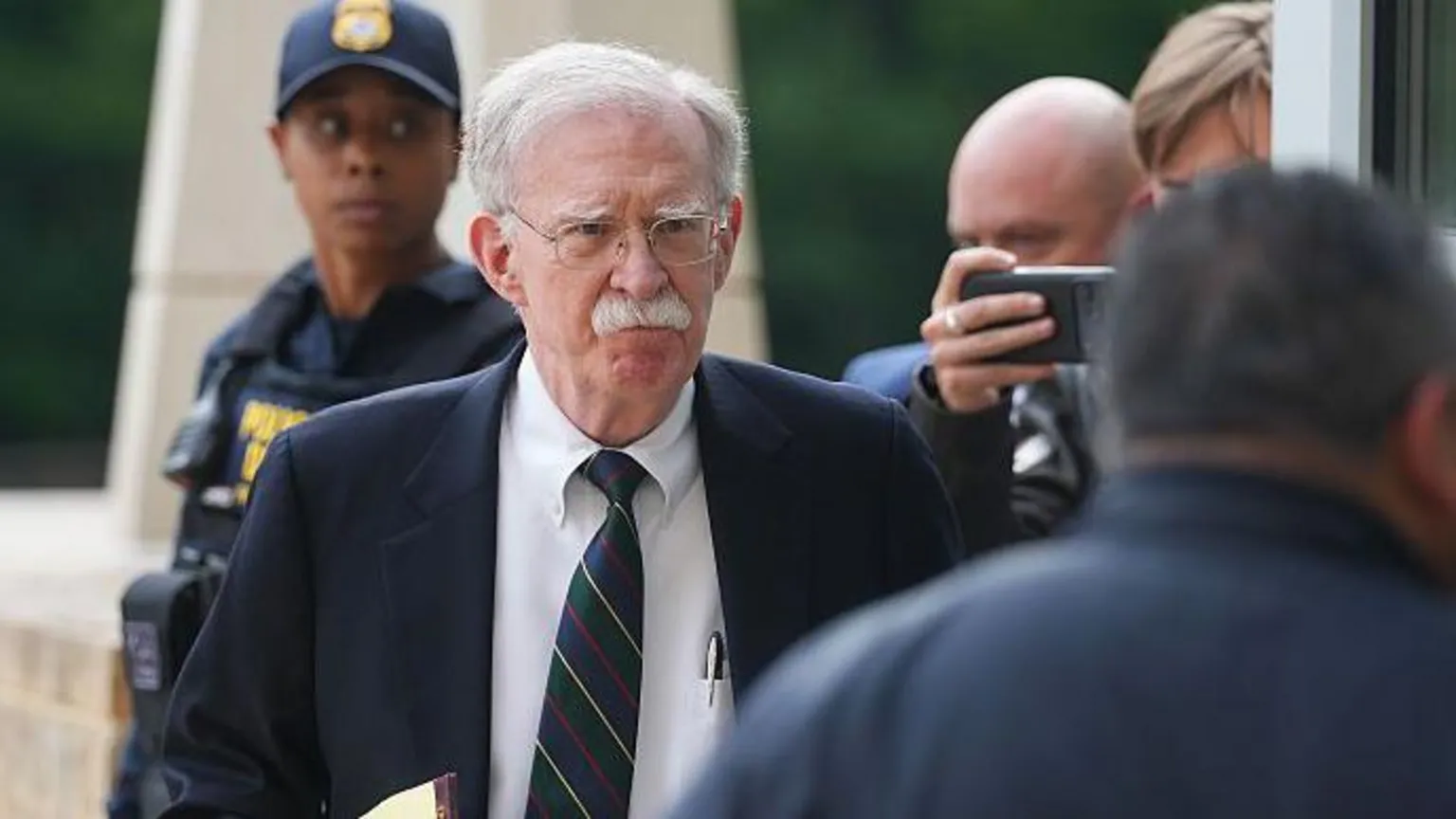
Former U.S. National Security Adviser John Bolton pleaded guilty Friday to mishandling classified information, admitting in federal court that he improperly retained and shared sensitive national defense materials. The plea marks a dramatic development for one of the most prominent figures from President Donald Trump’s first administration and a longtime critic of the president.
Bolton entered the guilty plea before U.S. District Judge Theodore Chuang in Greenbelt, Maryland, acknowledging one count of illegal retention of national defense information as part of a plea agreement with federal prosecutors. The former adviser had initially faced an 18-count indictment related to his handling of classified materials.
According to court documents, Bolton admitted retaining more than 1,000 pages of sensitive government information, including notes and diary-style entries containing details from intelligence briefings, national security meetings, and classified discussions. Prosecutors alleged that some of the information reached the highest levels of classification and was shared with two relatives through unauthorized channels.

During the hearing, Bolton expressed remorse for his actions. “I’m sorry for it,” he told the court after agreeing with prosecutors’ description of the misconduct. His admission ended months of legal proceedings that began after federal authorities accused him of improperly storing and transmitting classified information outside approved government systems.
Under the terms of the plea agreement, Bolton faces a potential prison sentence of up to five years, although the final decision will be made by the court at sentencing scheduled for October 28. Prosecutors and defense attorneys agreed to a sentencing range that could result in anything from no prison time to the maximum five-year term.

The plea deal also includes significant financial and professional penalties. Bolton agreed to pay a $2.25 million fine, perform up to 100 hours of community service, participate in a debriefing with intelligence officials, and forfeit his federal government pension. Prosecutors argued that such measures reflect the seriousness of mishandling highly sensitive national security information.
Investigators said the case highlighted the risks associated with unauthorized retention of classified information. Court filings noted that Bolton’s personal email account was later compromised in a cyberattack allegedly linked to Iran, underscoring concerns about the potential exposure of sensitive material outside secure government networks. Prosecutors cited the incident as evidence of the dangers posed by improper document handling.

Bolton served as National Security Adviser from 2018 to 2019 before a highly public falling-out with Trump. Following his departure from the White House, he became one of the administration’s most outspoken critics and published the bestselling memoir The Room Where It Happened, which detailed internal disagreements over foreign policy and presidential decision-making.
Federal authorities emphasized that the classified information at issue was not ultimately published in Bolton’s memoir. Nonetheless, prosecutors argued that merely retaining and sharing such material without authorization constituted a serious violation of laws protecting national defense information.
Bolton’s attorney said his client accepted responsibility for his actions and chose to resolve the matter through a guilty plea rather than pursue a lengthy trial. Defense lawyers argued that Bolton cooperated with investigators and acknowledged the mistakes that led to the charges.
The case has attracted considerable political attention because of Bolton’s role in the Trump administration and his later opposition to the president. Supporters of Bolton have argued that the prosecution reflects broader political tensions in Washington, while prosecutors maintain that the case is based solely on the handling of classified information and national security concerns.

Legal experts note that the guilty plea adds another high-profile chapter to ongoing debates in the United States about how current and former government officials manage classified materials. The case also highlights the strict legal obligations imposed on individuals who have access to sensitive national security information.
With sentencing set for October, the court will now determine whether Bolton’s acceptance of responsibility and cooperation with authorities warrant a reduced punishment or whether the seriousness of the offense merits a prison term. Until then, one of Washington’s most recognizable foreign policy figures remains under the shadow of a conviction that could significantly impact his legacy.