
International
Critics and Supporters Clash After Texas Makes Bible Readings Compulsory in School

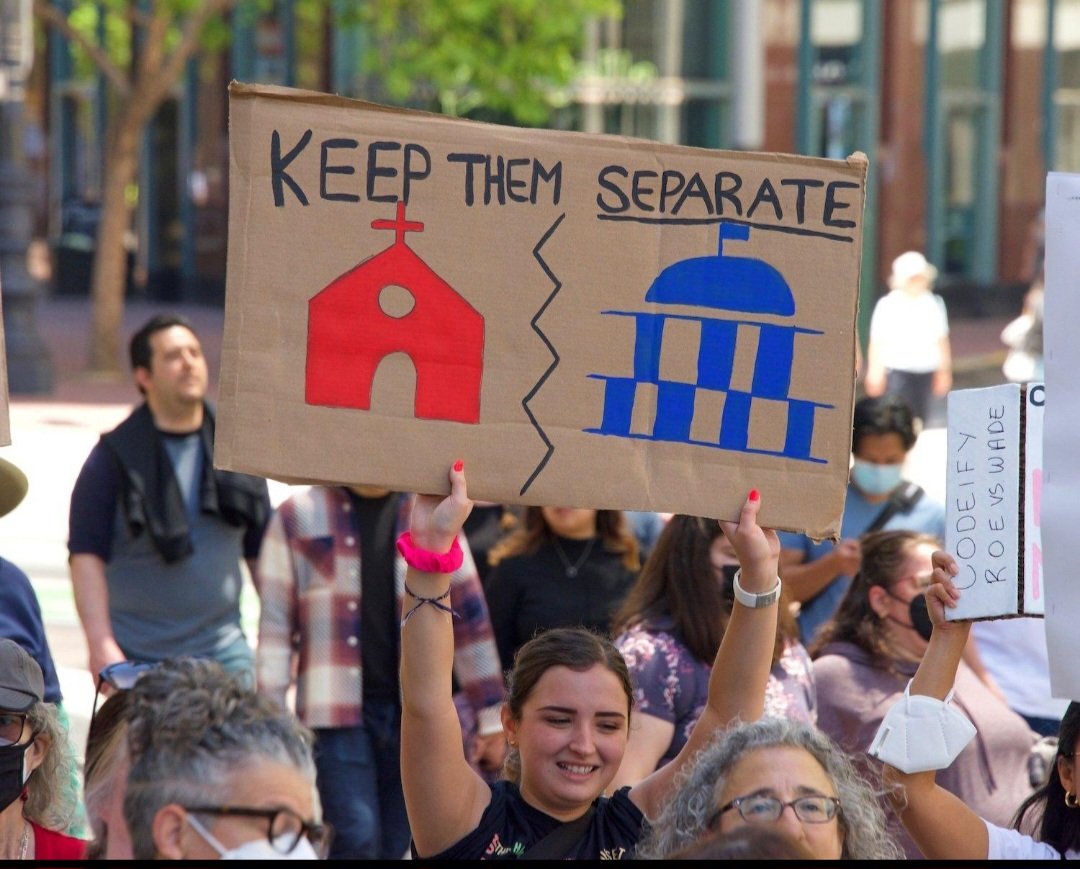
A fierce debate over religion, education, and constitutional rights has erupted in Texas after the state’s Board of Education approved a mandatory reading list that includes Bible stories and passages for millions of public school students. Supporters say the move recognizes the historical and cultural significance of Christianity in American society, while critics argue it blurs the line between church and state and risks marginalizing students from other faiths.
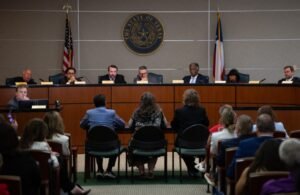
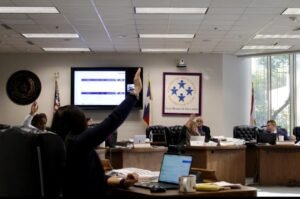
The Republican-controlled Texas State Board of Education approved the new reading requirements in a 9-5 vote, making Texas the first U.S. state to mandate Bible readings as part of a statewide required literary curriculum. The changes will affect more than five million public school students and are scheduled to begin rolling out in 2030.
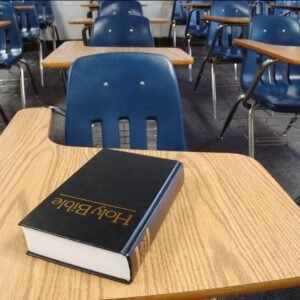
Under the approved plan, students will be required to read selected Bible stories and passages alongside traditional literary works such as Charlotte’s Web, Pride and Prejudice, Great Expectations, and Aesop’s fables. The curriculum includes stories such as Noah’s Ark, David and Goliath, and Daniel in the Lion’s Den, as well as passages from the New Testament and the Book of Job.
State education officials and conservative board members argue that the Bible has played a central role in shaping Western civilization, American history, literature, and culture. They contend that exposing students to biblical texts provides important historical and literary context rather than religious instruction. Supporters also say the curriculum reflects what they describe as America’s Judeo-Christian heritage.

However, the decision has triggered immediate criticism from civil liberties groups, educators, religious organizations, and some parents. Opponents argue that requiring Bible readings in public schools violates the constitutional principle of separation between church and state and could amount to government endorsement of a particular religion.
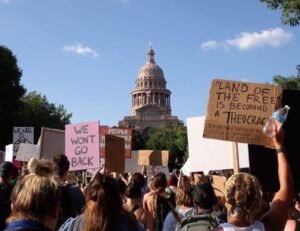
The advocacy group Americans United for Separation of Church and State condemned the move, arguing that public schools should serve students of all faiths and backgrounds equally. Critics also point out that Texas is home to a diverse population that includes Christians, Muslims, Jews, Hindus, Buddhists, and nonreligious families. They fear that mandatory Bible readings could make some students feel excluded or pressured.

Another major criticism concerns the composition of the broader reading list. Several educators and academic experts have argued that the curriculum places disproportionate emphasis on Christian and conservative perspectives while offering less representation of racial, cultural, and religious diversity. Some teacher groups say the new requirements reduce flexibility in selecting materials that reflect local communities and student experiences.
The controversy comes amid a broader push by Texas lawmakers to increase the visibility of religion in public education. In recent years, the state has approved measures requiring the display of the Ten Commandments in public schools and permitting school districts to employ chaplains in certain counseling roles. Those policies have also faced legal challenges and public debate.
Legal experts say court challenges are likely. While U.S. courts have generally permitted the study of religious texts for historical or literary purposes, the Supreme Court has previously ruled against officially mandated devotional Bible reading in public schools. The key legal question may be whether Texas is presenting biblical texts as literature and history or effectively promoting religious beliefs.
Parents will reportedly have the option to request alternative arrangements in some circumstances, though details are still being developed. Even so, opponents argue that opt-out provisions do not fully address concerns about the role of religion in public education.

Public reaction has been deeply divided. Conservative groups have celebrated the decision as a victory for traditional values and educational reform, while secular organizations and many educators have vowed to challenge the policy through legal and political channels. The issue is expected to remain a major flashpoint in national debates over education, religion, and cultural identity.
As Texas moves toward implementation, the decision is likely to be closely watched by other states considering similar policies. Whether the curriculum survives legal scrutiny could have far-reaching implications for the future relationship between religion and public education across the United States.