General News
Abia, Anambra Agree on 15km Boundary, Intensify Talks to Resolve Remaining 8km Dispute

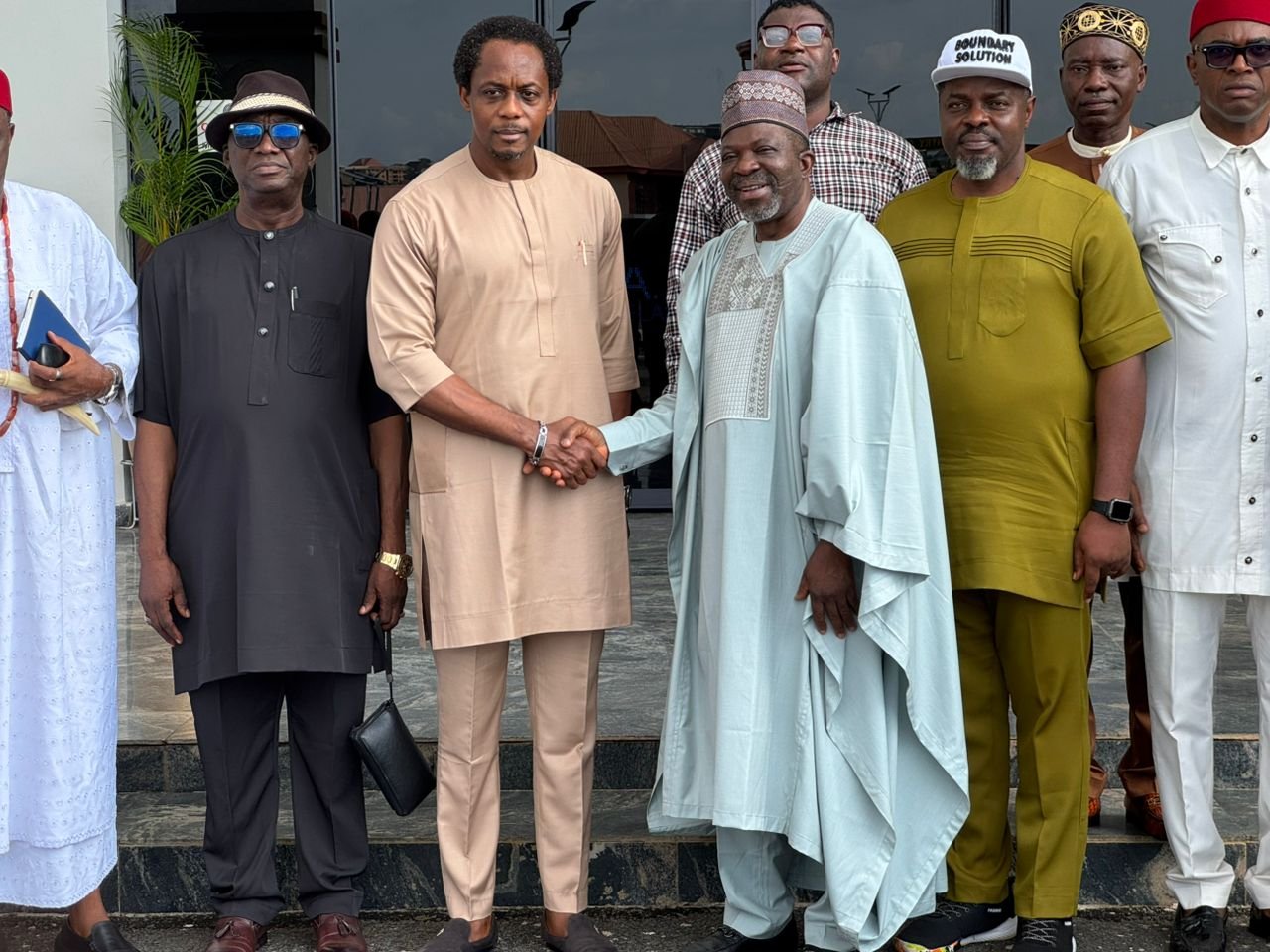
The National Boundary Commission (NBC) says Abia State and Anambra State have reached an agreement on 15 kilometres of their 23-kilometre interstate boundary, with negotiations continuing on the remaining eight-kilometre stretch.
The breakthrough was announced on Thursday during the Joint Meeting of Officials on the Abia/Anambra Interstate Boundary held in Awka.
Speaking at the meeting, the Director-General of the National Boundary Commission, Adamu A. Adaji, commended both state governments for their commitment to resolving the long-standing boundary dispute through dialogue and established legal procedures.
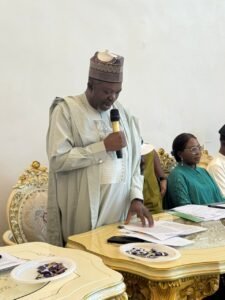
Adaji disclosed that approximately 15 kilometres of the common boundary had already been jointly traced and provisionally demarcated, while discussions were now focused on resolving the outstanding eight-kilometre section.
According to him, the meeting reviewed recommendations from the Technical Meeting of Experts held on July 1, with a view to identifying practical and mutually acceptable solutions to the unresolved areas.
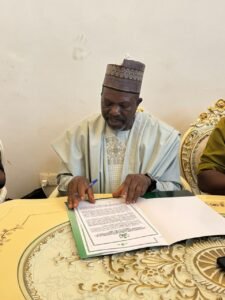
He reaffirmed the Commission’s commitment to providing the technical, administrative and institutional support needed to conclude the exercise.
“The Commission remains committed to providing the technical, administrative and institutional support required to bring this process to a successful conclusion. Our expectation is that this meeting will reinvigorate the boundary resolution process and promote lasting peace, good neighbourliness and sustainable development among the affected communities,” Adaji said.
Representing the Deputy Governor of Abia State and Chairman of the State Boundary Committee, Ikechukwu Emetu, the Deputy Chief of Staff in the Office of the Deputy Governor, Chijioke Nwankwo, welcomed the agreement reached on the 15-kilometre section and urged that it be immediately marked with boundary monuments.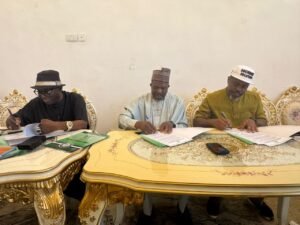
He maintained that the remaining eight-kilometre corridor should be resolved strictly in line with the National Boundary Commission’s procedures, historical and archival records, technical field evidence and relevant judicial pronouncements.
Nwankwo argued that maps produced by individual states should not be relied upon in determining interstate boundaries, stressing that Supreme Court judgments and other legally recognised instruments remain essential to achieving a credible and lasting settlement.
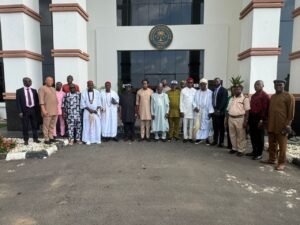
On the Anambra side, the Deputy Governor and Chairman of the State Boundary Committee, Onyekachukwu Ibezim, represented by the Senior Special Assistant to the Governor on Boundary Matters, Ekenechukwu Okoye, reaffirmed the state’s commitment to resolving the dispute through peaceful dialogue, constitutional processes and the rule of law.
Okoye said boundary disputes should be handled with sincerity, professionalism and mutual respect, noting that the peace, security and welfare of affected communities must remain the priority.
He expressed confidence that the technical expertise available, alongside the goodwill of both state governments and the guidance of the National Boundary Commission, would help deliver a fair and mutually acceptable resolution.
The meeting also considered the report of the Technical Meeting of Experts, which reviewed documents submitted by both states, identified areas of agreement and made recommendations to advance the boundary delineation process.
In a communiqué issued at the end of the meeting, both Abia and Anambra reaffirmed their commitment to completing the demarcation of their common boundary and requested the National Boundary Commission to fast-track the exercise.
The Commission reiterated that it would continue working with the Office of the Surveyor-General of the Federation and the two state governments to achieve a peaceful, lawful and permanent resolution of the interstate boundary dispute.