
World News
U.S. Demands Iran Publicly Guarantee Safety of Shipping Through Strait of Hormuz

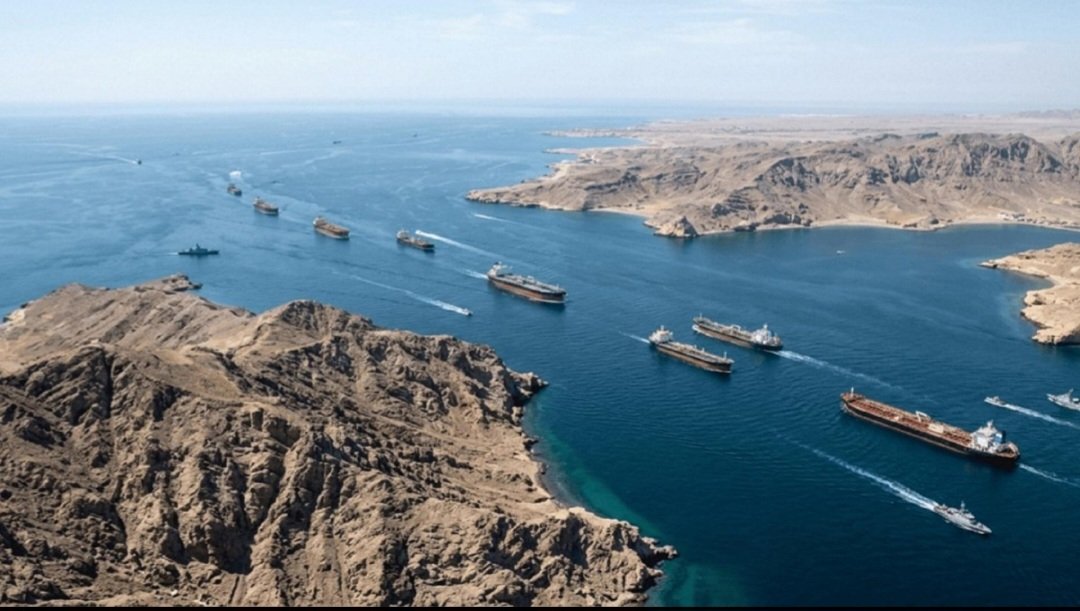
The United States has demanded that Iran publicly declare that the Strait of Hormuz is open to international shipping and commit to ending attacks on commercial vessels, as tensions remain high following renewed military exchanges between the two countries.
Senior U.S. officials said Washington wants Tehran to issue an unequivocal public statement confirming that all shipping lanes through the strategic waterway are open, that vessels will not be attacked, and that ships can transit without being subjected to tolls or interference. Officials warned that failure to provide such assurances could have serious consequences for Iran and jeopardize ongoing diplomatic efforts.
The demand follows a week of heightened instability in the Gulf, during which three commercial ships were reportedly attacked in or near the Strait of Hormuz. The incidents prompted the United States to launch fresh strikes on Iranian military targets, while Iran retaliated with missile attacks on U.S. military facilities in Gulf states, deepening fears of a wider regional conflict.
U.S. officials said recent discussions with Iranian representatives had been constructive despite the renewed violence. According to Washington, Iranian officials suggested that the attacks on commercial shipping were carried out by hardline elements acting outside the control of Iran’s central leadership, highlighting what American officials described as an apparent power struggle within Tehran.
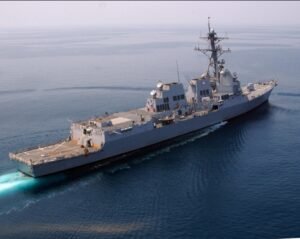
President Donald Trump has declared that the interim ceasefire reached earlier between the two countries is effectively over but said negotiations aimed at securing a more permanent agreement would continue. The administration has made clear that restoring confidence in maritime security is now one of its top priorities before broader talks can progress.
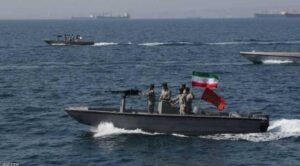
The Strait of Hormuz remains one of the world’s most strategically important waterways, with roughly one-fifth of global oil supplies passing through the narrow channel connecting the Persian Gulf to the Gulf of Oman. Any disruption to shipping in the area has immediate implications for global energy markets, freight costs and international trade.
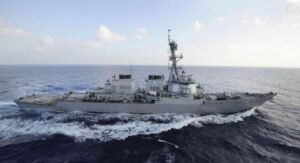
Iran has continued to insist that it maintains sovereign authority over its territorial waters and has previously floated proposals for vessels using the strait to contribute navigation or transit fees. The United States, however, argues that the waterway must remain open to all international shipping under established maritime principles and rejects any restrictions or compulsory charges.
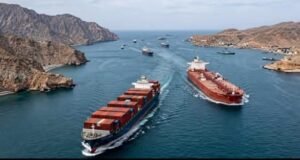
Regional mediators, including Oman, Qatar, Turkey, and Pakistan, are continuing diplomatic efforts to reduce tensions and prevent further military escalation. Officials familiar with the negotiations say discussions are focusing not only on maritime security but also on broader issues, including Iran’s nuclear program and regional stability.
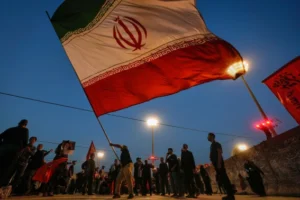
Shipping companies and insurers are closely monitoring developments, with several operators reassessing routes and security procedures for vessels transiting the Gulf. Industry analysts warn that prolonged uncertainty could increase transportation costs and place additional upward pressure on global oil prices.
As diplomatic contacts continue, Washington maintains that a clear public commitment from Tehran to guarantee the safety of commercial shipping is essential for rebuilding trust and preventing another escalation in one of the world’s most sensitive maritime corridors.