
World News
Calls for Revenge Intensify as Iran’s Supreme Leader Honors Slain Father

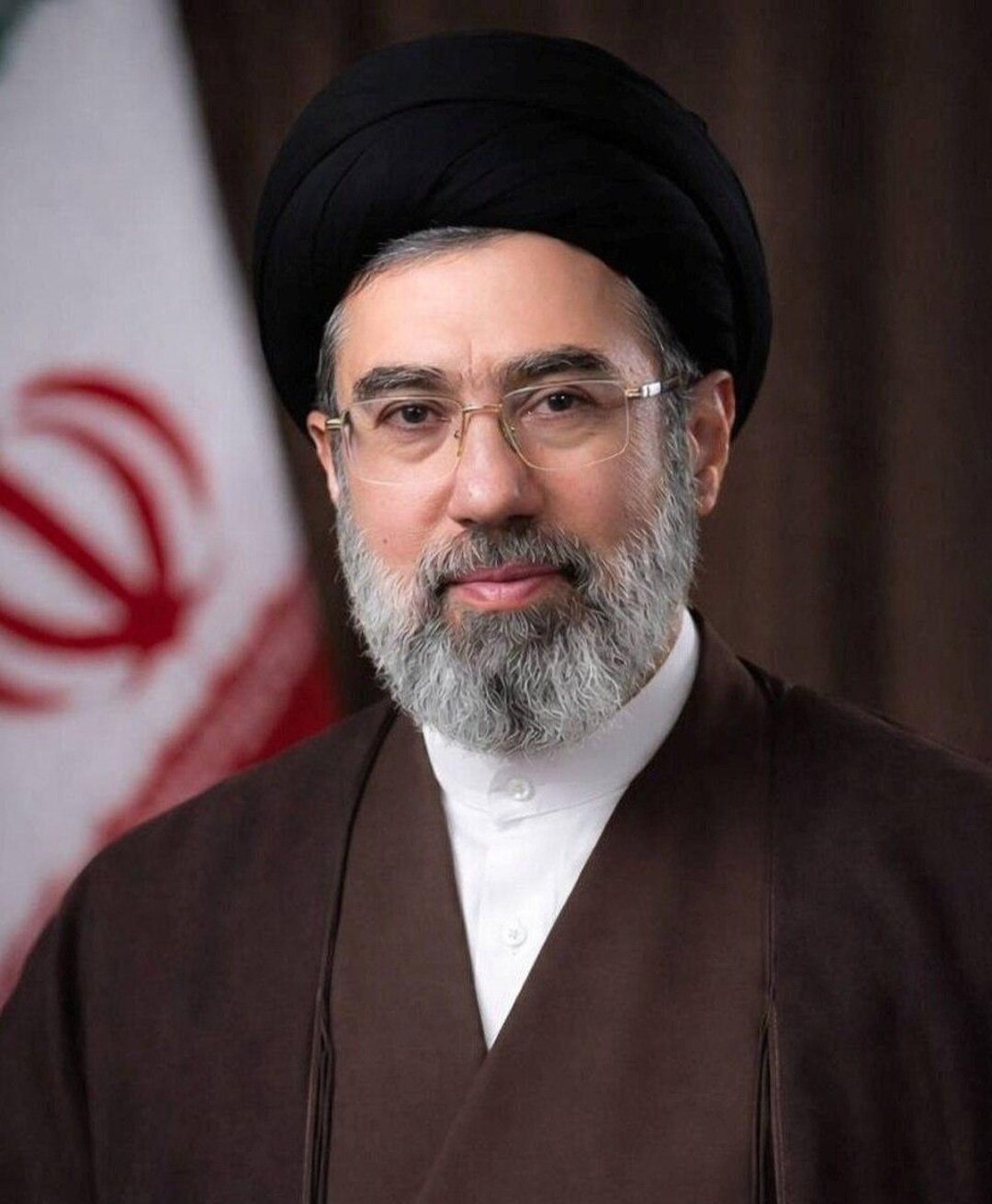
Iran’s Supreme Leader, Mojtaba Khamenei, has publicly vowed to avenge the death of his father and predecessor, Ali Khamenei, in one of his strongest statements since assuming the country’s highest political and religious office.
The pledge was delivered in a written message released during ongoing funeral ceremonies for the late supreme leader, who was killed in a joint U.S.-Israeli airstrike earlier this year. Mojtaba Khamenei described revenge as a national obligation and declared that those responsible for the deaths of his father and other Iranians would face consequences, saying retaliation “must certainly” take place.
The statement reinforces Tehran’s increasingly confrontational posture toward both the United States and Israel, raising concerns that Iran could pursue further military or proxy actions despite diplomatic efforts aimed at reducing tensions across the Middle East. Analysts say the remarks are likely intended to reassure hardliners within Iran that the country’s leadership remains committed to responding forcefully to the attack that killed the longtime supreme leader.
Mojtaba Khamenei has largely remained out of public view since succeeding his father, fueling speculation over his health and security. Reports indicate he may have sustained injuries during the same attack that killed Ali Khamenei, while others suggest authorities are keeping him away from public appearances because of fears of assassination attempts. Despite his absence, officials insist he continues to direct state affairs through written messages and private meetings.
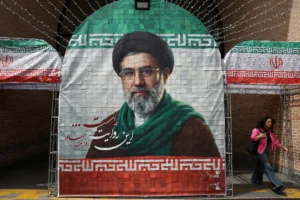
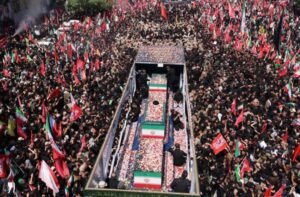
The funeral ceremonies for Ali Khamenei have drawn hundreds of thousands of mourners in Tehran and other cities, with senior Iranian political and military leaders attending events marked by chants demanding retaliation against the United States and Israel. Government officials have portrayed the late leader as a martyr and used the ceremonies to emphasize national unity during one of the country’s most volatile periods in decades.
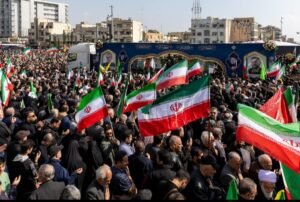
The renewed calls for revenge come as Washington continues pressing Tehran to ensure freedom of navigation through the Strait of Hormuz and refrain from attacks on international shipping. Diplomatic contacts aimed at preventing a broader regional conflict remain fragile, with both sides accusing each other of escalating hostilities following months of military exchanges.
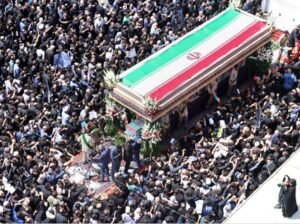
Regional observers warn that Mojtaba Khamenei’s declaration could complicate any prospects for renewed negotiations. While Iranian officials insist retaliation remains a legitimate response to what they describe as an unlawful assassination, Western governments fear additional reprisals could trigger another cycle of military escalation across the Middle East.