
World News
US Launches Fresh Strikes on Iran After Strait of Hormuz Ship Attack as Tehran Targets Gulf States

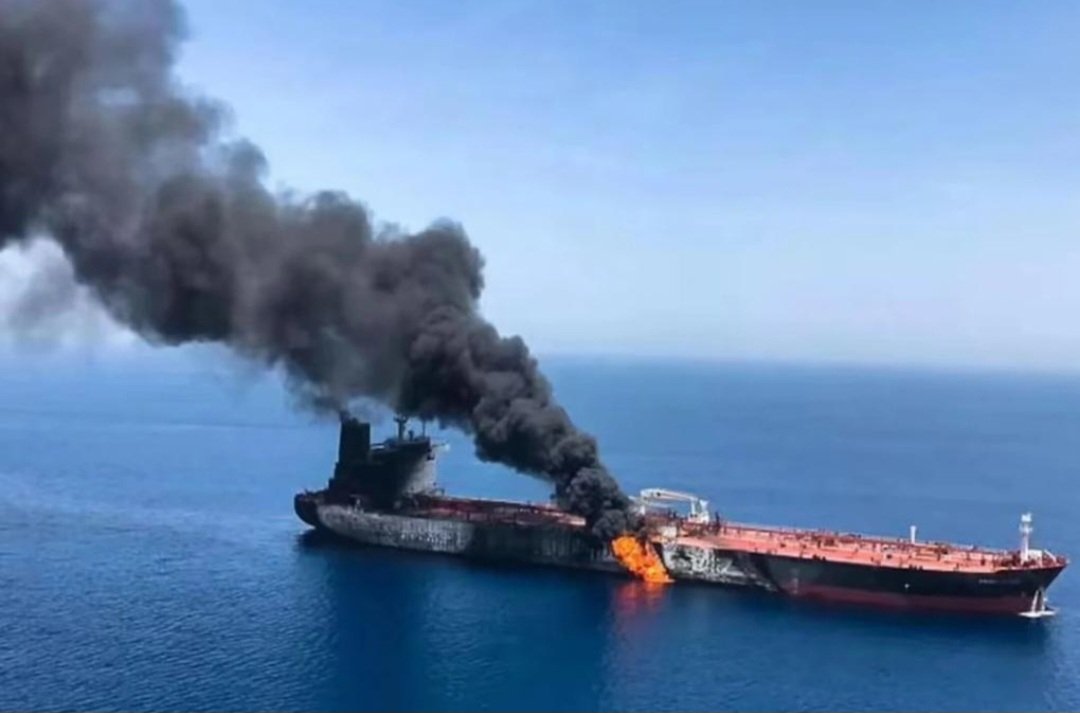
The United States has launched another wave of military strikes against Iran after an attack on a commercial vessel in the Strait of Hormuz, dramatically escalating tensions in the Middle East and triggering fresh Iranian missile and drone attacks against several Gulf Arab states. The latest exchange of fire has further undermined diplomatic efforts to stabilize one of the world’s most strategically important waterways.
According to the U.S. Central Command (CENTCOM), American forces struck around 140 Iranian military targets, including missile launch sites, drone facilities, ammunition depots, communications infrastructure and coastal military positions. Washington said the operation was carried out after Iran’s Islamic Revolutionary Guard Corps (IRGC) allegedly attacked a Cyprus-flagged container ship transiting the Strait of Hormuz, leaving the vessel ablaze with severe engine-room damage and one crew member missing. U.S. officials said the strikes were intended to reduce Iran’s ability to threaten international shipping and civilian mariners.
Iran responded by launching missiles and drones toward Bahrain, Qatar, Kuwait and the United Arab Emirates, accusing the Gulf Arab nations of supporting U.S. military operations. Authorities in the affected countries reported that their air defence systems intercepted several incoming projectiles, while emergency warnings were issued in parts of the Gulf region. No immediate reports of major casualties were released.
The confrontation has also reignited tensions over the Strait of Hormuz, through which roughly one-fifth of the world’s traded oil and natural gas normally passes. Iran has again declared the waterway closed “until further notice,” despite the United States insisting that commercial shipping should continue to move freely through the international maritime route. The renewed uncertainty has pushed global oil prices higher and raised concerns over possible disruptions to energy supplies.
The latest escalation comes only days after U.S. officials demanded that Tehran publicly guarantee safe passage for commercial vessels and renounce attacks on ships navigating the strait. Washington has accused factions within Iran of undermining previous ceasefire understandings, while Tehran maintains it has the right to control maritime activity in the strategic waterway.
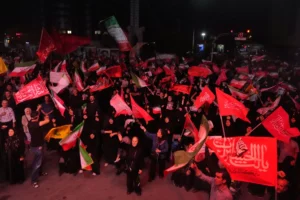
Iran’s new Supreme Leader, Mojtaba Khamenei, has continued to adopt a defiant tone, vowing revenge for the killing of his father and predecessor, Ali Khamenei, in earlier U.S.-Israeli military operations. Iranian leaders have warned that further American action will be met with stronger retaliation, while U.S. President Donald Trump has warned Tehran against targeting American personnel or interests in the region.
Diplomatic efforts led by regional mediators, including Oman, remain ongoing but face mounting challenges as both sides exchange accusations and intensify military operations. Analysts warn that continued attacks on commercial shipping and military installations could draw additional regional powers into the conflict and further destabilize the Middle East, with potentially significant consequences for global trade and energy markets.