
World News
U.S. Expands Strikes Into Iran as Tehran Retaliates Against Bahrain, Jordan and Kuwait

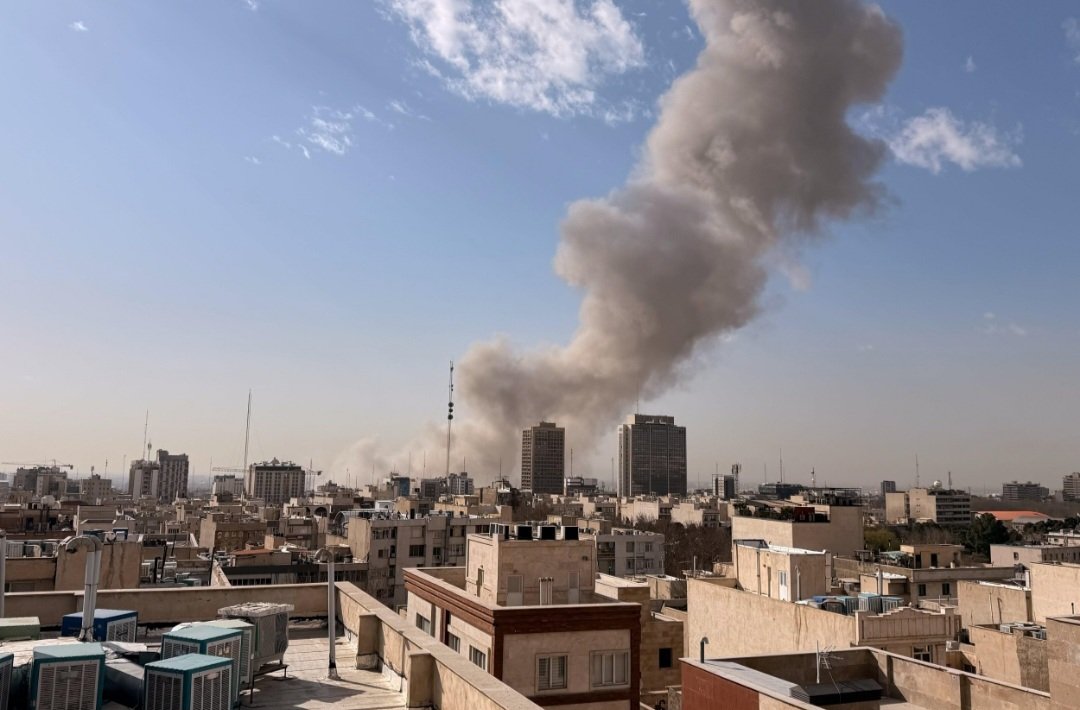
The conflict between the United States and Iran escalated sharply on Thursday after U.S. forces launched a new wave of airstrikes that reached areas around Tehran for the first time in the latest round of hostilities. In response, Iran fired missiles and drones toward Bahrain, Jordan, and Kuwait, warning that its military response could broaden if Washington continues its offensive.
According to U.S. military officials, the latest operation targeted Iranian military infrastructure, including missile-related facilities and strategic sites believed to support attacks on international shipping. The strikes also included operations aimed at enforcing the U.S. naval blockade around Iranian ports, which Washington says is intended to restore freedom of navigation in the Strait of Hormuz after repeated attacks on commercial vessels.
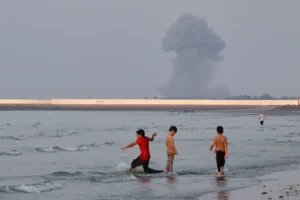
The expansion of the campaign into areas surrounding Tehran marks a significant escalation in the conflict. Previous U.S. operations had focused primarily on Iran’s southern coastline, military bases and port facilities. Military analysts say the latest strikes demonstrate Washington’s willingness to target deeper inside Iranian territory in an effort to weaken Tehran’s military capabilities.
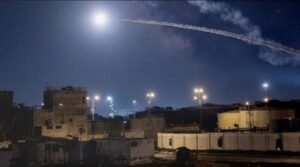
Iran’s Islamic Revolutionary Guard Corps (IRGC) responded by launching missile and drone attacks at locations hosting U.S. forces in Bahrain, Jordan and Kuwait. Air defence systems were activated in the three countries, with authorities reporting interceptions of several incoming projectiles. While no immediate casualty figures were released, officials across the region heightened security as fears grew that the conflict could spread beyond Iran and the Gulf.

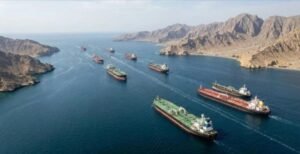
Iranian officials also issued fresh warnings over the Strait of Hormuz, describing the strategic waterway as a “red line” and insisting Tehran would continue resisting any attempt to challenge its control of the area. The strait is one of the world’s most important maritime chokepoints, handling roughly one-fifth of global oil and liquefied natural gas shipments during peacetime. Any prolonged disruption threatens global energy supplies and international trade.
The latest exchange of attacks follows several days of intensifying military action after a fragile ceasefire collapsed. The United States has accused Iran of threatening commercial shipping and attacking vessels in the Strait of Hormuz, while Tehran argues that the American naval blockade and repeated airstrikes amount to acts of aggression requiring a military response.
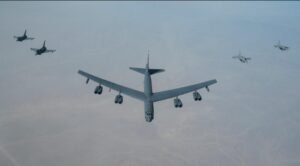
International leaders have expressed growing concern that continued retaliation by both sides could ignite a broader regional conflict involving multiple Gulf states. Diplomatic efforts to revive negotiations over Iran’s nuclear programme and maritime security have largely stalled as both governments continue to exchange military threats.
Global financial markets reacted cautiously to the latest escalation. Oil prices remained elevated amid fears that sustained fighting around the Strait of Hormuz could interrupt energy exports from the Middle East. Shipping companies are also reassessing routes through the Gulf, while insurers have increased risk premiums for vessels operating in the area.
Analysts warn that the coming days will be critical in determining whether the conflict remains limited or develops into a wider regional war. With both Washington and Tehran signaling they are prepared to continue military operations, concerns are mounting over the humanitarian, economic and geopolitical consequences of a prolonged confrontation.