
International
US Civil Rights Agency Moves to End 60 Years of Workforce Demographic Data Collection


The United States’ top workplace civil rights agency has voted to begin dismantling a six-decade-old requirement that employers report workforce demographic data, marking one of the most significant changes to federal civil rights enforcement in recent years.


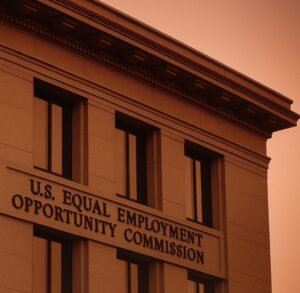
The Republican-controlled U.S. Equal Employment Opportunity Commission (EEOC) voted 2-1 to launch the process of ending the annual EEO-1 reporting requirement, which has required tens of thousands of private-sector employers to disclose anonymous workforce data by race, ethnicity and sex since the 1960s. The proposal now enters a 30-day public comment period before any final rule is adopted.

The reporting system applies to companies with at least 100 employees and certain federal contractors. The data has long been used by the EEOC to identify patterns of discrimination, monitor workplace diversity and guide investigations into potential violations of federal anti-discrimination laws. Although the agency does not publicly release individual company reports, it publishes aggregated statistics that researchers, policymakers and advocacy groups have relied upon for decades.
EEOC Chair Andrea Lucas defended the proposal, arguing that requiring employers to classify workers by race and sex is inconsistent with a “colorblind” interpretation of employment law. She said demographic reporting can pressure employers into making hiring or promotion decisions based on protected characteristics rather than merit and also imposes unnecessary compliance costs on businesses. The EEOC estimates employers could collectively save about $275 million annually if the reporting requirements are eliminated.

The proposal is part of the broader effort by the administration of Donald Trump to scale back diversity, equity and inclusion (DEI) initiatives across the federal government and private sector. It would end a reporting practice that has remained in place through both Republican and Democratic administrations for roughly 60 years.
Democratic EEOC Commissioner Kalpana Kotagal voted against the proposal, warning that eliminating demographic reporting would make it significantly harder to detect systemic discrimination in hiring, promotions and pay. Civil rights organizations echoed those concerns, saying the data has been essential for identifying disparities affecting women and racial minorities and for holding employers accountable.
Supporters of the reporting system note that historical EEOC data shows gradual increases in the representation of women and minorities in senior corporate positions over the past decade. Women now account for roughly one-third of executive and senior management roles at reporting companies; an improvement from a decade ago, but still remain underrepresented relative to their share of the workforce.

The proposed rollback has also drawn attention because many large U.S. corporations have already begun reducing public disclosures about their diversity metrics amid growing political and legal scrutiny of DEI programmes. Critics argue ending federal demographic reporting could further reduce transparency around workplace equality.

Even if the proposal is finalized, employers would still be required to maintain personnel records and other employment information that may be requested during discrimination investigations. However, the end of routine demographic reporting would remove one of the federal government’s primary tools for tracking long-term workforce trends across industries.
The proposal will remain open for public comment before the EEOC decides whether to adopt the rule permanently, setting the stage for what is expected to be a closely watched legal and political battle over the future of workplace civil rights enforcement in the United States.