
International
ECOWAS Targets 2027 for ECO Currency Launch, Strengthens Security, Integration Agenda

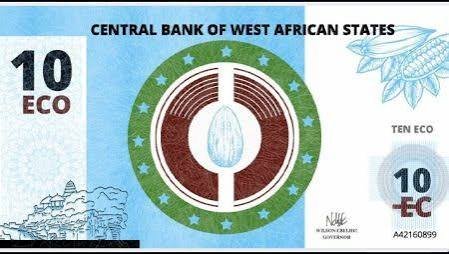
Leaders of the Economic Community of West African States (ECOWAS) have reaffirmed plans to launch the long-awaited ECO single currency in 2027, as they adopted fresh measures to tackle insecurity, deepen regional integration and promote democratic governance across the sub-region.
The decisions were reached at the 69th Ordinary Session of the ECOWAS Authority of Heads of State and Government in Lungi, Sierra Leone, and contained in the Final Communiqué issued at the end of the summit.
On the regional currency, the Authority resolved that the ECO would be introduced in 2027, with implementation beginning in member states that satisfy the agreed macroeconomic convergence criteria.
To fast-track the process, the leaders directed the ECOWAS Commission and the Governors of member states’ central banks to conclude all outstanding technical work required for the successful rollout of the common currency.
They noted that countries yet to meet the convergence benchmarks would continue to receive technical assistance until they qualify to join the monetary union.
The Authority also expressed deep concern over the deteriorating security situation in parts of West Africa, particularly the Sahel and Lake Chad Basin, condemning terrorism, kidnapping, armed banditry and violent extremism as major threats to regional stability.

It reaffirmed support for the operationalisation of the ECOWAS Counterterrorism Force and urged member states to meet their financial obligations under the Community Levy to strengthen collective security efforts.
The summit further renewed the mandate of the ECOWAS Special Envoy on Counterterrorism, Ambassador Baba Kamara, for another three years.
On regional integration, the leaders reaffirmed their commitment to the ECOWAS Protocol on the Free Movement of Persons, Right of Residence and Establishment, describing it as one of the bloc’s greatest achievements and a key driver of trade, investment and economic growth.

The Authority also expressed concern over worsening food insecurity and rising fertiliser prices across the region, calling for accelerated implementation of the ECOWAS Regional Rice Roadmap to boost domestic food production and reduce reliance on imports.
As part of efforts to advance digital development, the summit endorsed regional initiatives aimed at strengthening cybersecurity, data protection, digital governance and electronic communications.
The leaders welcomed progress in democratic transitions and preparations for elections in several member states, while urging governments to uphold constitutional order, promote inclusive governance and ensure peaceful, credible electoral processes.
The communiqué also condemned recurring xenophobic attacks against African nationals in South Africa and called on the South African authorities to guarantee the safety and protection of all Africans living in the country.
In a key leadership decision, the Authority appointed General Birame Diop of Senegal as President of the ECOWAS Commission for the 2026–2030 term.
The summit also elected Senegalese President Bassirou Diomaye Faye as Chairman of the ECOWAS Authority of Heads of State and Government for a one-year tenure, succeeding Sierra Leonean President Julius Maada Bio.
The Authority reaffirmed its commitment to advancing economic integration, strengthening democratic institutions, promoting sustainable development and enhancing regional peace and security in the face of evolving political and economic challenges across West Africa.