
World News
Chinese Oil Tankers Head for Bab el-Mandeb Despite Escalating Red Sea Attacks

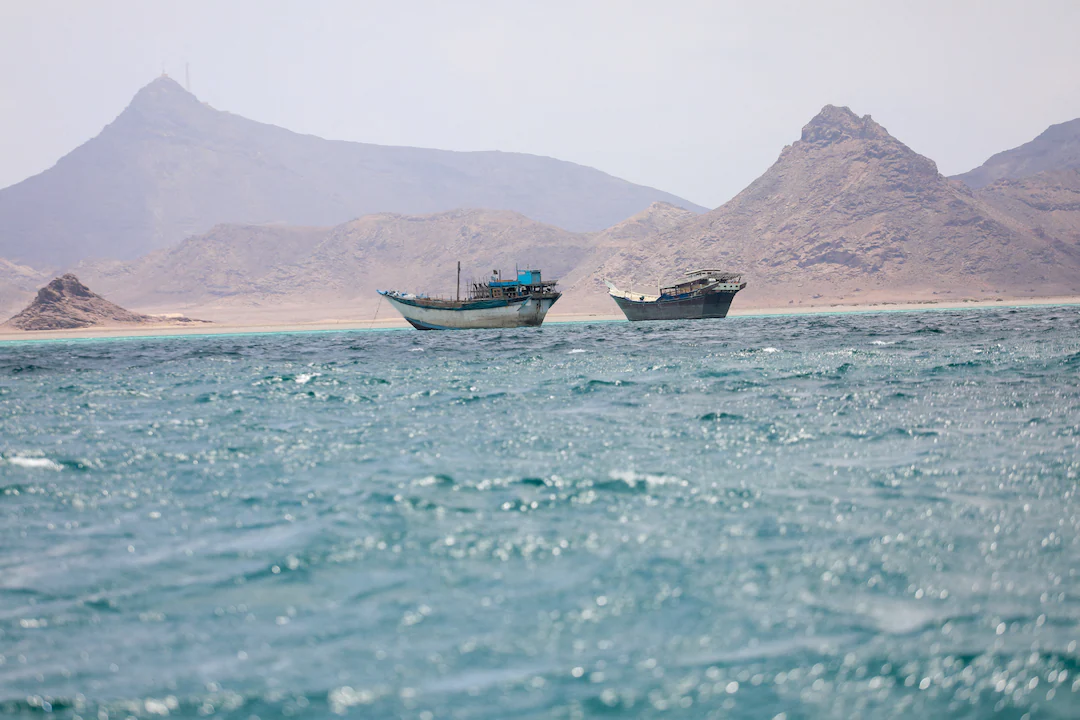
Two Chinese-operated supertankers carrying a combined 4 million barrels of Saudi Arabian crude oil are making their way toward the strategic Bab el-Mandeb Strait, despite mounting security concerns in the Red Sea following renewed attacks on commercial shipping by Yemen’s Iran-backed Houthi movement. The voyage is being closely watched by global energy markets as tensions across the Middle East continue to threaten one of the world’s most important maritime trade corridors.
Shipping data shows that the two very large crude carriers (VLCCs), Xin Long Yang and Cosnew Lake, loaded approximately 2 million barrels of crude oil each from Saudi Arabia’s Red Sea export terminal at Yanbu. The vessels, chartered by Unipec, the trading arm of China’s state-owned oil giant Sinopec, are bound for the Chinese ports of Qinzhou and Huizhou.
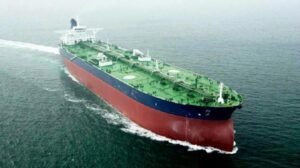
Their transit comes just days after the Houthi movement announced a maritime blockade targeting Saudi-linked vessels and claimed responsibility for attacks on two Saudi oil tankers in the Red Sea. One of the vessels reportedly caught fire following a missile and drone assault, although all crew members escaped without injury. The attacks have heightened fears over the safety of ships passing through the Bab el-Mandeb Strait, which connects the Red Sea to the Gulf of Aden and serves as a crucial gateway for oil shipments between Europe, the Middle East and Asia.
The latest movements also mark a shift from earlier this week, when several oil tankers carrying Saudi crude turned back in the Red Sea after Houthi warnings, opting instead to sail north toward the Suez Canal or seek alternative routes. The decision by the two Chinese supertankers to continue toward Bab el-Mandeb underscores the difficult choices facing shipping companies balancing commercial commitments against rising security risks.
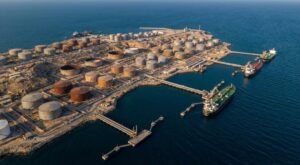
The Red Sea has become an increasingly vital export route for Saudi Arabia following disruptions in the Strait of Hormuz caused by the wider confrontation involving the United States and Iran. Saudi Arabia has relied heavily on its East-West Pipeline, which transports crude from its eastern oil fields to the Red Sea port of Yanbu, allowing exports to bypass the Strait of Hormuz. However, with threats now extending to Bab el-Mandeb, concerns are growing that both of the region’s key maritime chokepoints could face prolonged disruption.
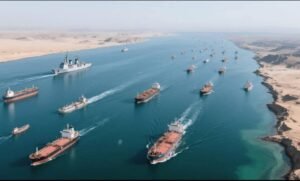
Industry analysts warn that continued attacks on shipping could force more vessels to reroute around Africa’s Cape of Good Hope, adding thousands of nautical miles to voyages, increasing freight and insurance costs, and delaying deliveries of crude oil and refined products to Asia and Europe. Such disruptions have already contributed to a sharp rise in global oil prices amid fears of tighter supplies.
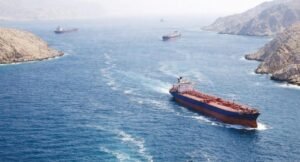
Maritime tracking data also indicates that tanker traffic through both the Strait of Hormuz and the Bab el-Mandeb Strait has declined significantly in recent days, with dozens of vessels waiting offshore or altering their routes as shipowners assess the evolving security situation. The backlog of oil tankers highlights growing uncertainty over one of the world’s busiest energy corridors.
For China, the safe arrival of the two supertankers is strategically important. The country remains one of Saudi Arabia’s largest crude oil customers, and any sustained disruption to shipments could affect refinery operations and energy supplies across Asia. Energy traders and governments are therefore closely monitoring developments, fearing that further escalation could have far-reaching consequences for global fuel markets and the broader world economy.