
World News
Middle East Crisis Pushes Oil Prices to Highest Level in Nearly Six Weeks

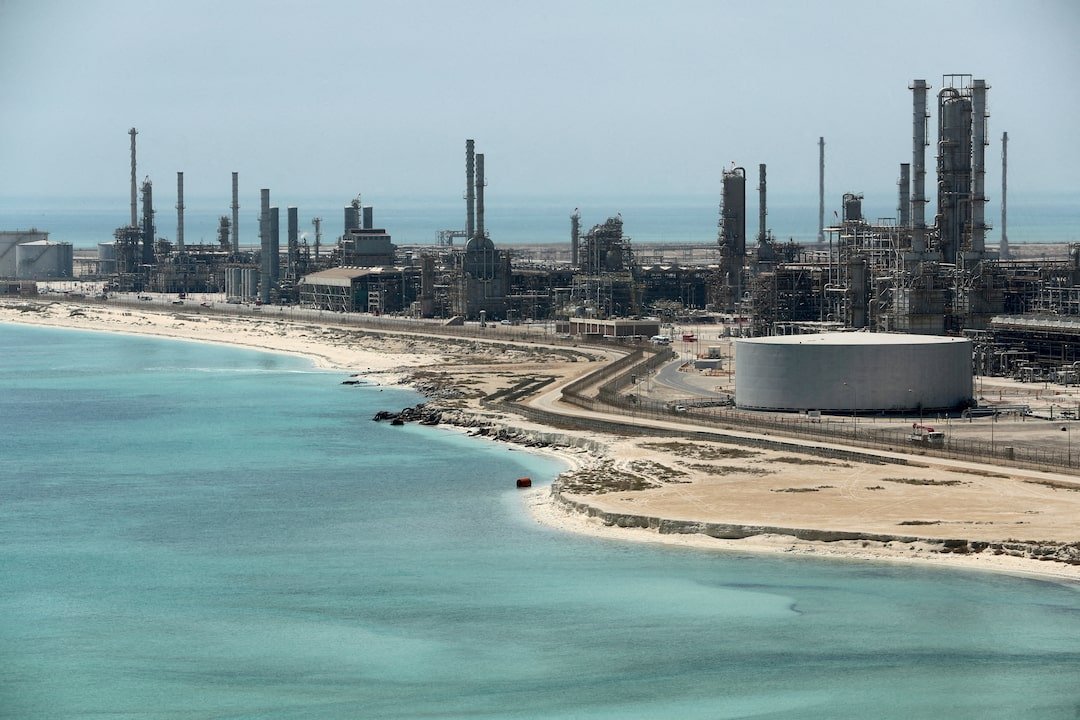
Global oil prices have surged to their highest levels in nearly six weeks as investors grow increasingly concerned that escalating hostilities between the United States and Iran could disrupt critical Middle Eastern energy supplies and threaten one of the world’s most important shipping corridors.
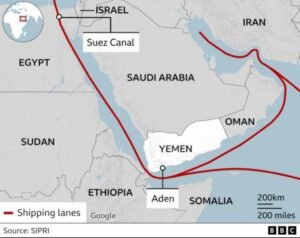
The rally follows a series of military and diplomatic confrontations between Washington and Tehran, alongside fresh warnings from Yemen’s Iran-backed Houthi movement regarding commercial shipping in the Red Sea. Traders fear that a widening regional conflict could interfere with the movement of crude oil through strategic waterways, including the Strait of Hormuz and the Bab el-Mandeb Strait, both of which are essential to global energy trade.
Market analysts say the latest gains reflect a growing “risk premium” being built into oil prices. While there has been no major interruption to supplies so far, traders are increasingly pricing in the possibility that military escalation could affect exports from some of the world’s largest oil-producing nations.

The Strait of Hormuz remains at the center of investor concerns. The narrow waterway between Iran and the Arabian Peninsula serves as the transit route for roughly a fifth of the world’s oil consumption. Any disruption there could have immediate consequences for energy markets, shipping costs and inflation worldwide.
Adding to market anxiety are recent threats from the Houthis, who have announced expanded maritime measures targeting vessels linked to countries supporting military operations against Iran. Several shipping companies have already reviewed routes and security protocols, while some vessels have reportedly altered their courses as a precaution.
Industry observers note that even the perception of danger can significantly affect oil markets. Higher insurance premiums, longer shipping routes and increased security costs often translate into higher energy prices long before actual supply disruptions occur.
The latest price surge also comes at a time when global inventories remain relatively tight and demand from major economies continues to show resilience. This combination has made markets particularly sensitive to geopolitical developments in the Middle East.
Energy economists warn that a prolonged conflict could have broader consequences beyond the oil sector. Rising fuel costs typically increase transportation expenses, manufacturing costs and consumer prices, potentially complicating efforts by central banks to control inflation.
Governments and international organizations have urged restraint, emphasizing the importance of maintaining freedom of navigation through international waterways. Several naval coalitions continue to patrol key maritime routes in an effort to deter attacks and reassure commercial shipping operators.
For oil-producing nations in the Gulf, uninterrupted exports remain a top priority. Saudi Arabia, the United Arab Emirates, Kuwait and other regional exporters rely heavily on secure shipping lanes to move crude to global markets. Any threat to these routes is closely monitored by both governments and investors.
Financial institutions have warned that further escalation between the United States and Iran could trigger additional price spikes, particularly if attacks target energy infrastructure or if shipping through major chokepoints becomes restricted. Some analysts suggest crude prices could rise significantly higher if the conflict spreads beyond its current scope.
As tensions continue to mount, global markets remain focused on developments in the Middle East. For now, the rise in oil prices reflects a growing belief among investors that geopolitical risks are becoming a major factor in determining the future direction of energy markets.