
International
Bangladesh President Shahabuddin Resigns Ahead of Hasina’s Planned Return

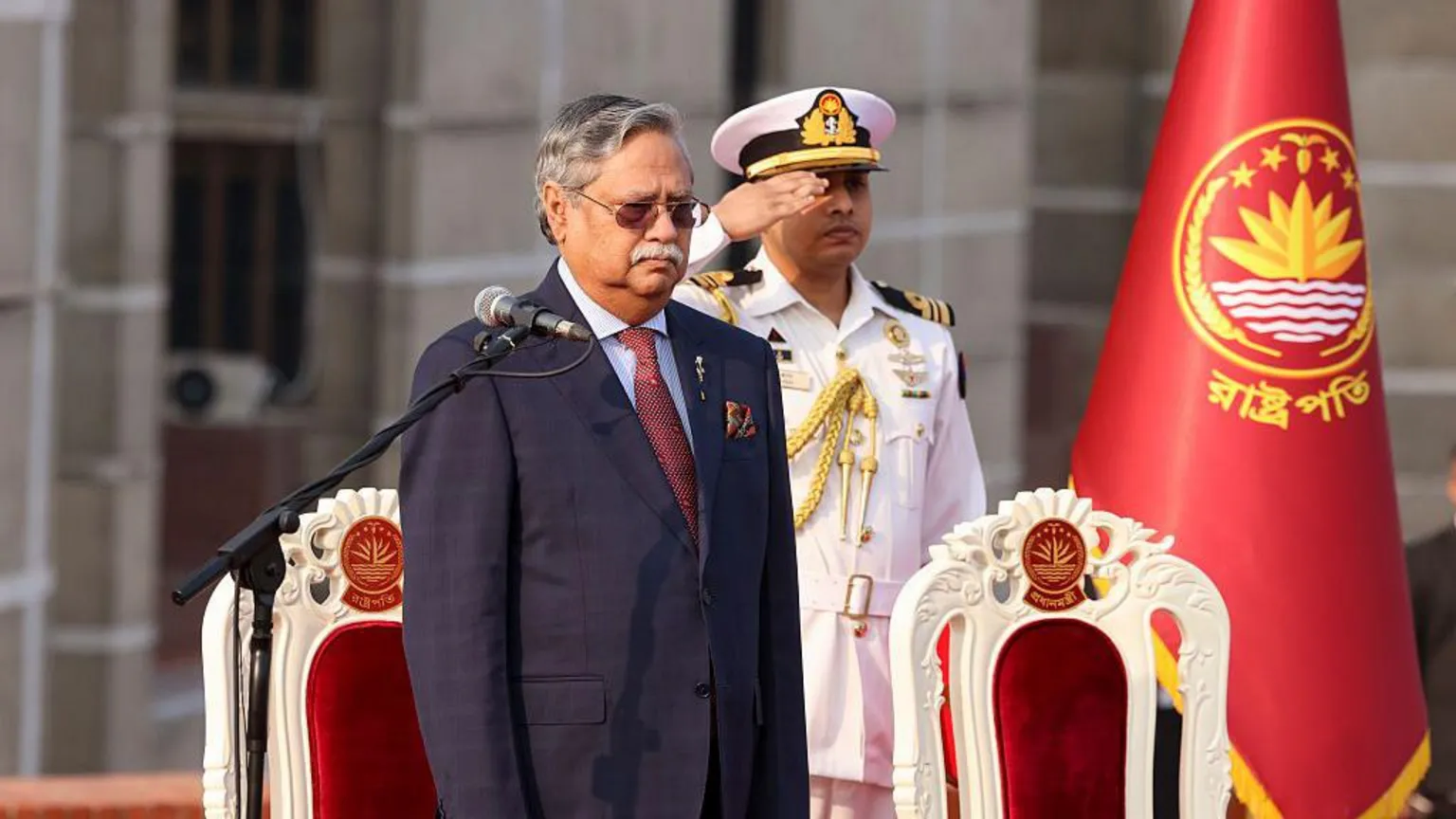
Bangladesh’s President Mohammed Shahabuddin, a longtime ally of former Prime Minister Sheikh Hasina, has resigned from office, citing serious health concerns in a move that marks another major shift in the country’s political landscape nearly two years before the end of his term.
Shahabuddin, 76, announced his resignation on Friday, saying he was suffering from autonomic neuropathy, a condition that occasionally causes him to lose consciousness. His departure comes at a politically sensitive time, just months before Sheikh Hasina has said she intends to return to Bangladesh from exile.
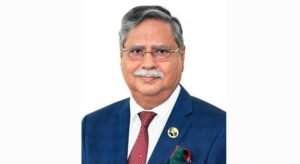
Shahabuddin, who assumed the largely ceremonial presidency in April 2023 under Hasina’s government, was regarded as the last senior state official closely associated with the former prime minister.
His resignation effectively removes Hasina’s final ally from one of Bangladesh’s highest constitutional offices. Since Hasina’s government was overthrown during the 2024 student-led uprising, her Awami League party has been banned, while many of its senior leaders have been jailed, prosecuted or gone into hiding.
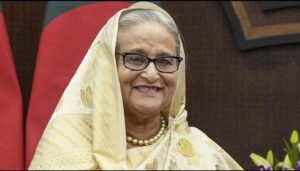
The resignation comes just days after Hasina announced plans to return to Bangladesh around December to surrender following her conviction by a war crimes tribunal.
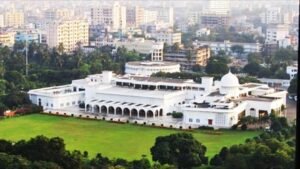
Although Shahabuddin officially cited health reasons, reports indicate his departure also followed growing political pressure because of his close association with the ousted leader. Analysts say the timing reflects the government’s efforts to distance state institutions from the previous administration ahead of Hasina’s expected return.
Under Bangladesh’s Constitution, the Speaker of Parliament, Hafiz Uddin Ahmed, will perform the duties of president until Parliament elects a successor.
While the Bangladeshi presidency carries important constitutional responsibilities; including serving as commander-in-chief of the armed forces, the office is largely ceremonial, with executive authority resting primarily with the prime minister and cabinet.
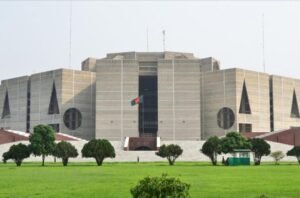
In his resignation letter, Shahabuddin said deteriorating health had made it impossible for him to continue carrying out the responsibilities of the presidency.
According to local reports, he has been battling multiple medical conditions, including heart disease, diabetes, kidney complications and high blood pressure, in addition to autonomic neuropathy.
Shahabuddin’s resignation is the latest development in Bangladesh’s turbulent political transition following the 2024 uprising that ended Sheikh Hasina’s 15-year rule.
After an interim administration led by Nobel Peace Prize laureate Muhammad Yunus, Bangladesh held general elections in early 2026, bringing a new government to power. However, the country’s political environment remains deeply polarized as legal proceedings against Hasina continue and attention turns to her anticipated return later this year.