
Health
Beyond Fillings and Implants: How Tooth Regeneration Could Revolutionise Dentistry

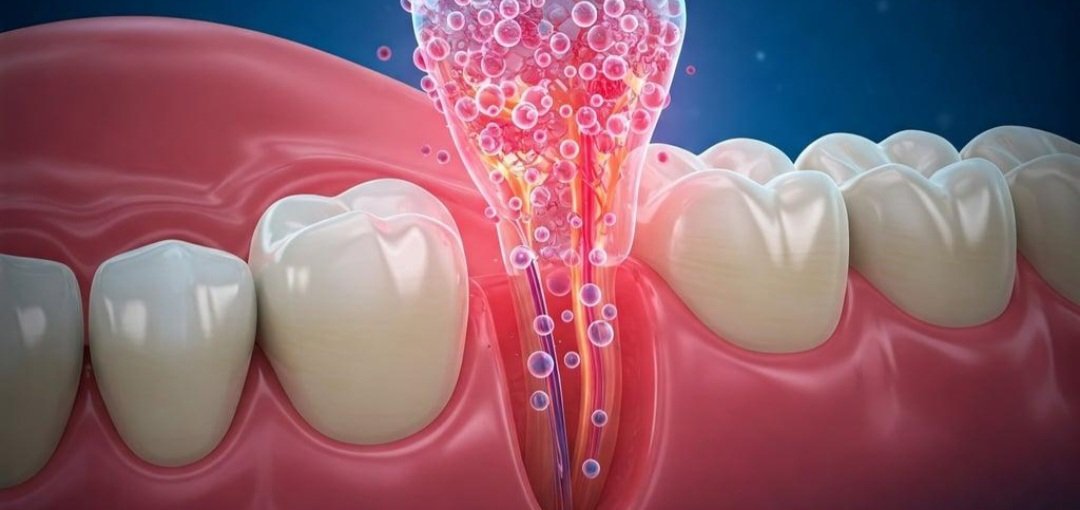
The idea of growing a brand-new human tooth once sounded like science fiction. Today, it is becoming one of the most promising frontiers in regenerative medicine.


While recent reports about scientists successfully stimulating tooth growth have attracted global attention, researchers caution that the real story is not simply about “regrowing teeth.” Instead, it is about fundamentally changing the future of dentistry by replacing damaged teeth with living, naturally functioning ones rather than relying on fillings, crowns, bridges or implants.
The latest research has reignited hope that millions of people suffering from tooth loss could one day receive biological replacements grown from their own bodies. Although clinical use remains several years away, experts say the science has advanced far enough to justify human trials and increased investment in regenerative dental medicine.
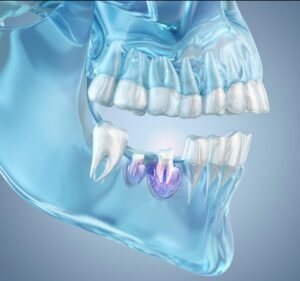
For decades, dentistry has relied on artificial solutions to replace damaged or missing teeth. Dental implants, while highly successful, cannot repair nerves or regenerate living tissue. Crowns and fillings restore function but gradually wear out over time.
Scientists are now pursuing a radically different approach: encouraging the body to grow an entirely new tooth complete with enamel, dentine, blood vessels, nerves and roots.
Researchers say such teeth could potentially last a lifetime and respond naturally to chewing pressure, temperature changes and infection in ways that artificial replacements cannot.
Several research groups across Japan, the United Kingdom and other countries are exploring different techniques to trigger tooth regeneration.
One of the most closely watched projects involves blocking a protein known as USAG-1, which naturally suppresses tooth development. By inhibiting this protein, researchers have successfully stimulated the growth of new teeth in laboratory animals, including mice and ferrets.
Scientists believe a similar treatment could eventually help humans develop replacement teeth after losing permanent ones through injury, disease or congenital conditions.
Meanwhile, researchers at King’s College London, working with Imperial College London, recently announced another promising advance. Using bioengineered materials that mimic the natural environment in which teeth develop, they successfully encouraged human dental cells to begin forming tooth structures in the laboratory.
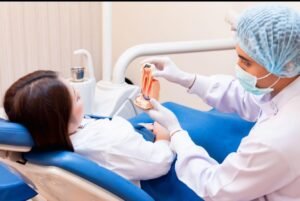
Rather than manufacturing artificial implants, the researchers aim to grow fully biological teeth that could someday be implanted into patients.
Experts say the first beneficiaries may not be people seeking cosmetic improvements.
Instead, early treatments are expected to focus on children born with congenital conditions that prevent permanent teeth from developing, as well as patients who lose teeth because of severe trauma, cancer treatment or genetic disorders.
Eventually, regenerative therapies could also benefit millions of adults suffering from advanced tooth decay or gum disease, two of the world’s most common health conditions according to the World Health Organization.
Despite the excitement, researchers caution that widespread availability remains years away.
Scientists must demonstrate that regenerated teeth grow in the correct position, develop properly aligned roots, erupt at the right speed and integrate safely with surrounding bone and nerves.
Clinical trials must also confirm that the treatment is safe and produces consistent long-term results before regulators approve it for routine dental care.
Cost is another major hurdle. Even if successful, early regenerative treatments are likely to be expensive until production becomes more widespread.
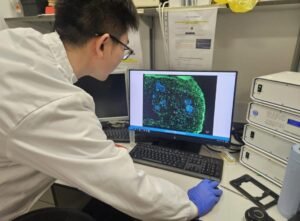
The growing interest in regenerative dentistry reflects a broader shift in medicine away from replacing damaged body parts with artificial materials and toward stimulating the body’s own healing abilities.
Researchers believe future dental clinics could one day combine stem-cell technology, tissue engineering and gene-targeted therapies to regenerate not only teeth but also gums, jawbone and other oral tissues.
While patients should not expect to replace implants or dentures anytime soon, scientists say today’s laboratory breakthroughs represent an important step toward a future where losing a tooth may no longer mean losing it forever.
If ongoing human studies prove successful, the next decade could witness one of the most significant transformations in dental care since the invention of modern implants.