
World News
At Least 30 Yemeni Troops Killed in Houthi Attacks, Security Sources Say

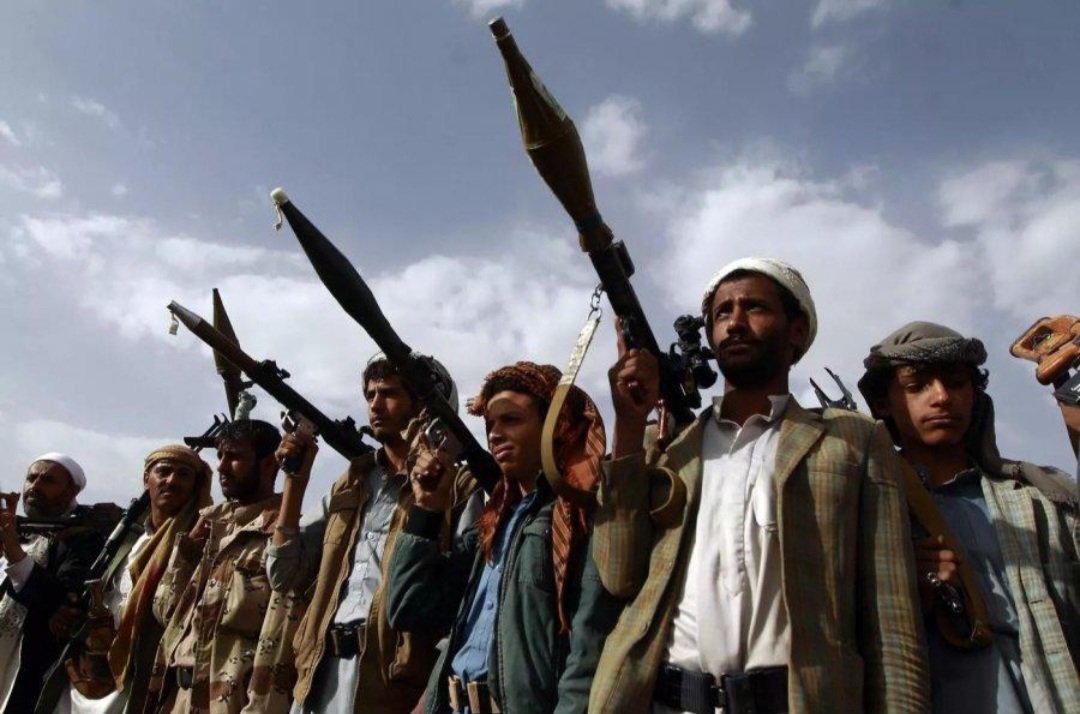
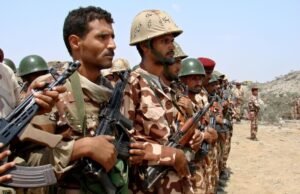
At least 30 Yemeni government soldiers have been killed in a series of attacks carried out by the Iran-backed Houthi movement, according to military and security sources, marking one of the deadliest escalations in Yemen’s conflict in recent months.
The attacks reportedly targeted government military positions in contested areas, where intense fighting broke out after Houthi fighters launched coordinated assaults using artillery, drones and other heavy weapons. Security officials said dozens of other soldiers were wounded, with some in critical condition, although the exact casualty figures are still being verified. Reuters and regional media reported that the death toll could rise as rescue operations and battlefield assessments continue.
Military sources said the assaults focused on strategic front-line positions held by forces aligned with Yemen’s internationally recognized government. The Houthis are believed to have attempted to seize additional territory, prompting fierce clashes that lasted several hours before government reinforcements were deployed.
The Houthi movement has not immediately released a detailed statement on the reported casualties but has frequently claimed responsibility for attacks against government troops, describing them as part of its campaign against what it considers foreign-backed forces operating in Yemen.
The latest violence comes amid renewed regional tensions following recent Houthi attacks on commercial shipping in the Red Sea and Gulf region. Analysts say the group has become increasingly assertive, expanding both its military operations inside Yemen and its attacks beyond the country’s borders.
Yemen’s Ministry of Defense condemned the assaults, accusing the Houthis of undermining efforts to revive peace negotiations. Government officials warned that the attacks demonstrate the rebels’ continued preference for military confrontation despite repeated international calls for a negotiated political settlement.
The United Nations has repeatedly expressed concern over the deteriorating humanitarian and security situation in Yemen, where more than a decade of conflict has devastated the country’s economy and displaced millions of people. Humanitarian agencies warn that renewed large-scale fighting could further worsen food insecurity and limit access to essential aid for civilians trapped near conflict zones.
Regional observers note that the conflict has become increasingly intertwined with broader Middle East tensions involving Iran and its allied groups. The Houthis, who control large parts of northern Yemen including the capital, Sana’a, have continued to strengthen their military capabilities despite international sanctions and years of coalition airstrikes.
Military analysts say the latest attacks highlight the fragile security environment in Yemen, where front-line clashes continue despite intermittent diplomatic efforts to end the war. They warn that unless negotiations resume and hold, further violence could jeopardize hopes of achieving a lasting ceasefire.
As government forces assess the damage and reinforce vulnerable positions, fears are growing that the recent escalation could trigger another cycle of intensified fighting, prolonging a conflict that has already become one of the world’s worst humanitarian crises.