
World News
Former Chinese Premier Zhu Rongji Dies at 97

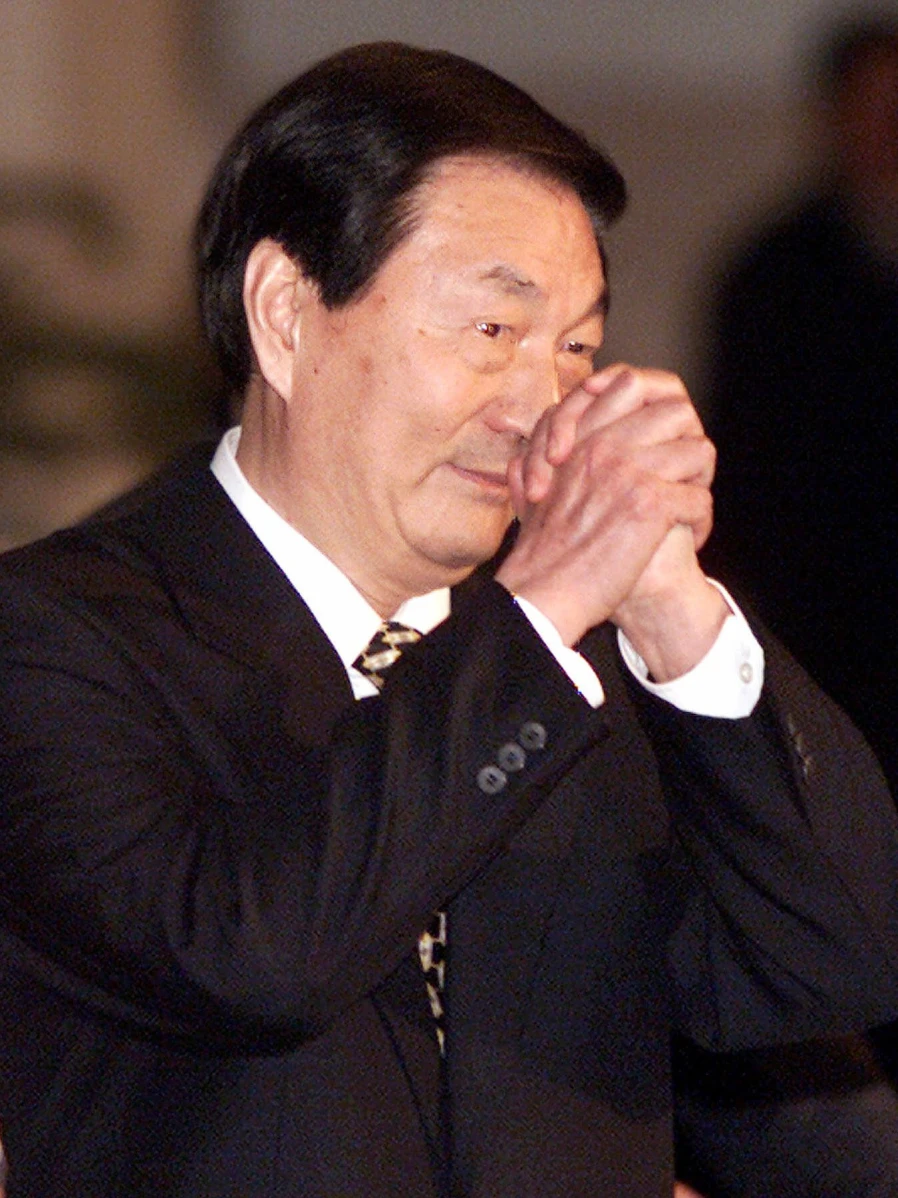
Former Chinese Premier Zhu Rongji, the tough-talking economic reformer who played a central role in opening China’s economy to global trade and steering the country into the World Trade Organization (WTO), has died at the age of 97.
Zhu died in Beijing after an illness, according to China’s official Xinhua news agency. His death was also reported by the Associated Press and Reuters on Wednesday.
Zhu served as China’s premier from 1998 to 2003, during a period when the country was undergoing sweeping economic changes that helped lay the foundation for its emergence as a global economic powerhouse.
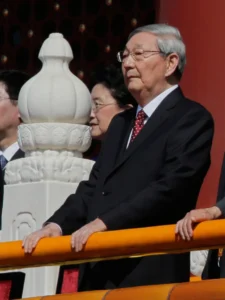
Before becoming premier, Zhu served as vice premier and gained national prominence as mayor of Shanghai. He became known for his aggressive approach to economic management, tackling inflation, corruption and inefficiencies within the state-owned sector.
One of Zhu’s most significant achievements was his role in negotiations that eventually brought China into the WTO in 2001.
The accession followed years of difficult negotiations and required China to undertake major changes to its economy and trade policies. Zhu strongly backed the process, viewing membership as a way of integrating China more deeply into the global economy while accelerating domestic reforms.
His efforts included negotiations with the United States, including a high-profile 1999 visit to Washington where he pushed for progress on China’s WTO application.
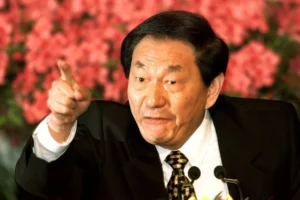
Zhu’s economic programme was ambitious and, at times, controversial.
His administration restructured large state-owned enterprises, tightened financial regulation and centralised tax collection. The reforms improved efficiency in parts of the economy but also resulted in massive job losses as inefficient state companies were downsized or closed.
During his tenure, China recorded rapid economic growth, with annual growth rates generally above 8%, while urban housing ownership expanded significantly as the country moved further away from its centrally planned economic model.
Zhu was also renowned for his blunt speaking style and strong anti-corruption stance. His reputation for directness made him one of the most distinctive Chinese leaders of the reform era.
While Zhu is widely credited with helping transform China’s economy, his policies were not without critics.
The restructuring of state enterprises caused severe disruption for millions of workers, while reforms contributed to wider changes in employment and social welfare. His approach nevertheless earned him considerable respect among economists and reform advocates who saw him as a pragmatic technocrat willing to confront deeply rooted economic problems.
Zhu’s political career also reflected the turbulent history of modern China. He survived political setbacks during the Cultural Revolution before eventually rising through the ranks of China’s economic administration.
His death marks the passing of one of the key figures associated with the economic reforms that helped reshape China in the final years of the 20th century and the beginning of the 21st.
Zhu is survived by his wife, Lao An, and their children.