
World News
Trump Says Iran War-Driven Oil Prices May Stay High Until After Midterm Elections

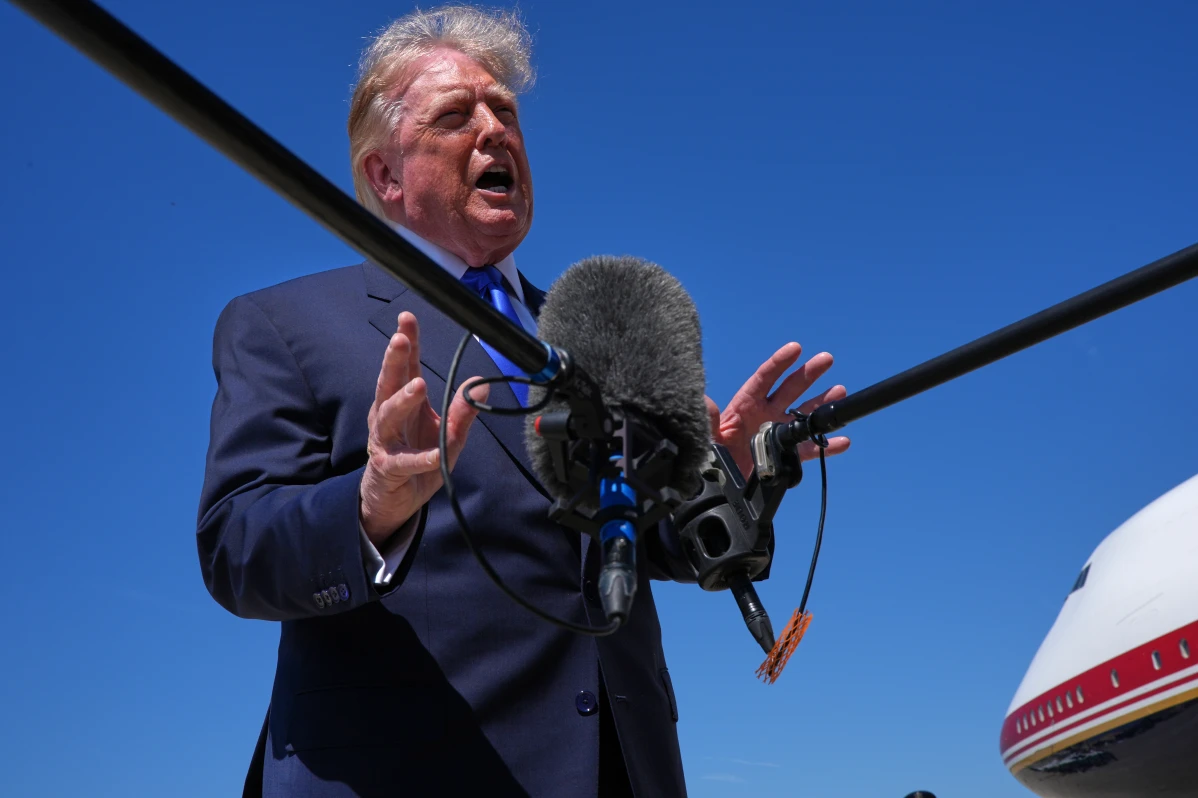
U.S. President Donald Trump has said oil prices that surged because of the ongoing war with Iran are unlikely to fall until after America’s midterm elections, a rare acknowledgment of the political and economic pressures created by the prolonged conflict.


Speaking to reporters on Wednesday before departing for a Republican midterm convention in Dallas, Trump said he believed crude prices would remain elevated until the conflict ends, which he predicted would happen after the November elections.
“Right after the election, oil prices are going to be tumbling downward,” Trump said. “I think it’s going to take a little bit longer than the midterm.”
The comments came as international benchmark Brent crude rose above $100 a barrel for the first time since July, while U.S. crude traded near $95 per barrel, amid escalating tensions between Washington and Tehran.
Oil markets have been shaken by months of fighting involving the United States, Iran and Iran-backed groups, as well as repeated attacks on tankers and energy infrastructure around the Strait of Hormuz and the Red Sea.
The Strait of Hormuz, one of the world’s most important oil transit routes, previously carried about one-fifth of global oil supplies. Disruptions in the waterway have fuelled concerns over shortages and pushed prices higher.
The latest spike followed reports that U.S. forces destroyed five Iranian oil tankers after missile attacks on a U.S. Navy warship, while Iran said it had launched retaliatory attacks on ships near the Strait of Hormuz.
Trump’s remarks underline the growing political significance of rising energy costs ahead of the November midterm elections.
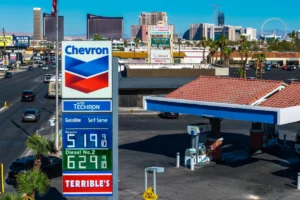
Average gasoline prices in the United States have climbed above $4.20 per gallon, while diesel prices have reached record highs, increasing transportation and production costs across the economy. Airlines have also faced mounting jet fuel expenses, leading to higher fares and reduced flight schedules.
The president suggested that Iran was attempting to prolong the conflict in order to influence the U.S. elections but argued that Tehran would eventually be forced to end the war.
Vice President JD Vance, however, has been more cautious, saying it is difficult to predict when the conflict will end because much depends on Iran’s actions.
The sustained rise in oil prices has renewed fears about inflation and economic growth.
Analysts say a prolonged period of crude prices above $100 a barrel could increase transportation, manufacturing and food costs, keeping inflation elevated and complicating efforts by central banks to lower interest rates.
The United States has already drawn heavily on its Strategic Petroleum Reserve in an effort to cushion consumers from rising fuel costs, leaving stockpiles at their lowest level in decades.
For oil-producing countries such as Nigeria, higher global crude prices could increase export revenues, though the benefits may be offset by higher domestic fuel and transportation costs.
With the U.S.-Iran conflict now entering its seventh month and no immediate ceasefire in sight, energy markets remain highly sensitive to developments in the Middle East. Traders, governments and consumers are closely watching whether diplomacy can ease tensions and bring relief to global oil prices.