
World News
Trump Signs Sweeping Russia Sanctions Bill Targeting Moscow’s War Revenues

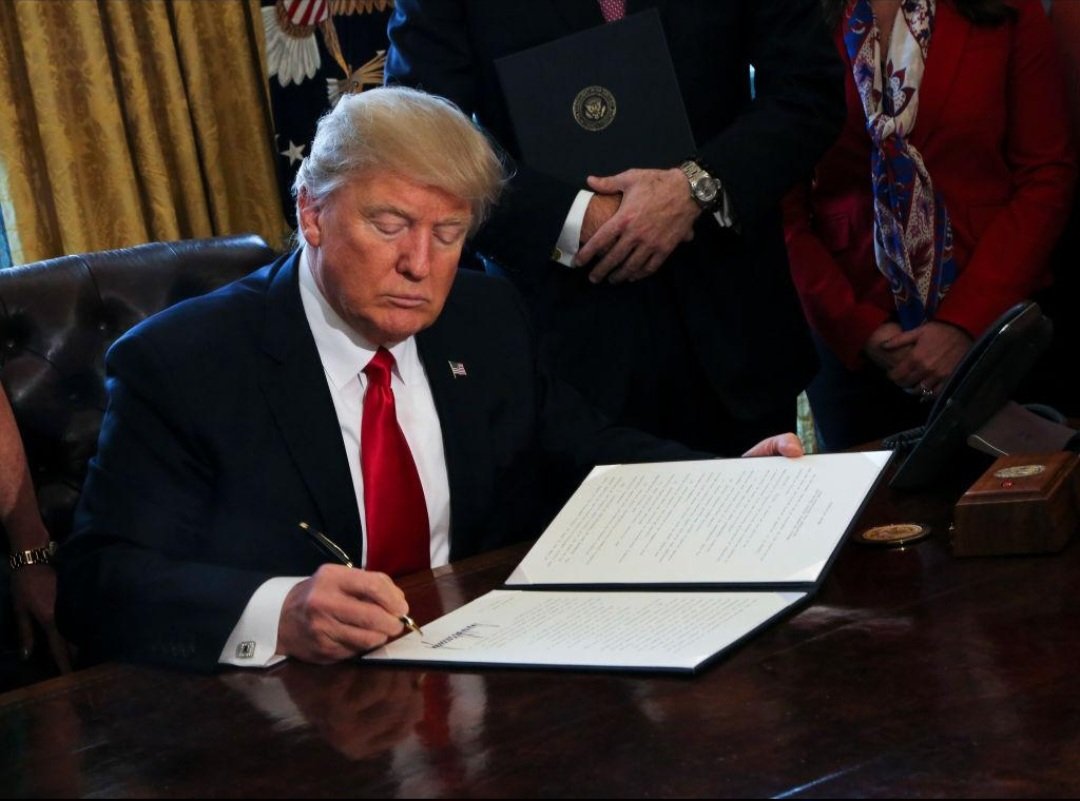
U.S. President Donald Trump has signed into law a sweeping sanctions package targeting Russia’s economy, energy sector and officials as Washington seeks to increase financial pressure on Moscow over the war in Ukraine.


Trump signed the legislation on Friday, September 18, after it cleared Congress with broad bipartisan support. The Senate approved the measure 86-11, while the House passed it 262-159. The law is formally known as the Lindsey O. Graham Sanctioning Russia and Iran Act of 2026, named after the late Republican senator who had worked on the legislation for more than a year.
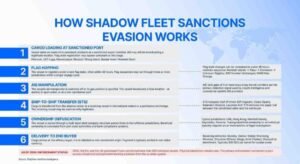
The legislation targets Russian energy and defence industries, banks and financial institutions, senior officials and oligarchs, as well as the so-called Russian “shadow fleet” of tankers used to transport oil outside existing Western sanctions regimes.
One of the most significant provisions gives Trump authority to impose tariffs of up to 100 per cent on goods imported from the five largest buyers of Russian oil or natural gas, as well as countries involved in helping Russia evade sanctions. China and India are among the largest purchasers of Russian crude and could therefore face significant exposure to the new measures.
The law includes an exception for countries importing less than 15 per cent of Russia’s natural-gas exports and taking substantial steps to reduce their dependence on Russian supplies. It also extends existing U.S. sanctions on Iran’s energy and weapons sectors.
The measure was initially developed by Senator Lindsey Graham and Democratic Senator Richard Blumenthal. Its passage gained momentum following Graham’s death in July, with lawmakers from both parties backing the final legislation.
Supporters say the sanctions are intended to reduce the revenue available to the Russian government for its military campaign and increase pressure for negotiations over the war in Ukraine. Ukrainian President Volodymyr Zelenskyy had lobbied U.S. lawmakers in support of the legislation.
However, the legislation also gives the White House considerable authority over tariffs on countries that continue purchasing Russian energy. Some lawmakers have raised concerns that the expanded tariff powers could have consequences for U.S. consumers, allies and global trade.
Russia has criticised the legislation, with Kremlin spokesman Dmitry Peskov warning that additional U.S. sanctions could complicate efforts to reach a settlement in Ukraine.
The immediate economic impact will depend partly on how the Trump administration implements the new authorities, including which countries are targeted and at what tariff levels. Reuters reported that the law gives the president substantial discretion, including the ability to waive certain measures on national-security grounds.