
World News
Iran Insists on Diplomacy After Trump Rejects Peace Plan

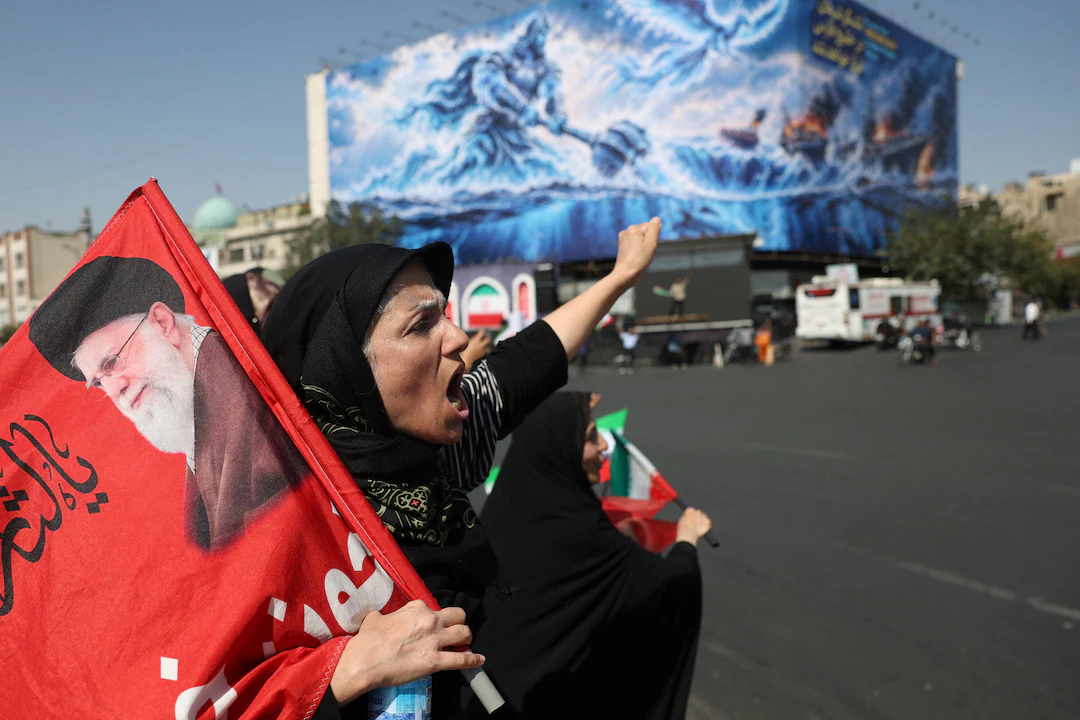
Iran has insisted that diplomacy remains the only way to resolve its conflict with the United States and Israel, despite US President Donald Trump rejecting Tehran’s latest proposal aimed at ending hostilities and reopening the Strait of Hormuz.
Iranian Foreign Minister Abbas Araghchi said Tehran remained committed to negotiations and was still waiting for Washington’s definitive position through mediators.
“Our conditions are clear,” Araghchi said, stressing that any move to reopen the strategically important waterway would depend on those conditions being met. He said only a negotiated solution could resolve the current deadlock.
Iran presented its seven-day proposal during the United Nations General Assembly in New York last week. The plan was transmitted to the United States through Qatari mediators and envisages a process leading to the reopening of the Strait of Hormuz and renewed negotiations.
Under the proposal, Iran has sought an end to hostilities, the release of frozen Iranian assets, the lifting of sanctions affecting its oil exports and an end to the US naval blockade on Iranian ports. Tehran would then move toward reopening the strategic waterway and resuming negotiations on a broader agreement, including its nuclear programme.
Trump said on Saturday that he had rejected the proposal, arguing that Iran was seeking an immediate agreement to reopen the Strait because of the economic pressure it was facing.
Despite rejecting the offer, however, Trump told Axios on Sunday that he expected US negotiators to engage in further talks with Iran during the week.
Araghchi said Iranian mediators had not yet formally received Washington’s final position. He said Tehran would assess its next steps once the mediators conveyed the US response.
The Iranian minister has also maintained that Tehran is prepared for renewed military confrontation while keeping the diplomatic channel open. In an interview with NBC, he said Iran was ready for diplomacy but also prepared to respond if military attacks resumed.
The diplomatic uncertainty comes as the Strait of Hormuz remains at the centre of the conflict. The waterway is a crucial route for global energy shipments, and disruptions have already affected oil markets.
Reuters reported on Monday that Brent crude had risen more than 3% after Trump’s rejection of the Iranian proposal, with markets reacting to uncertainty over the future of the conflict and oil supplies.
Meanwhile, Qatari mediators are expected to hold separate discussions with Araghchi in New York and with US representatives on Monday or Tuesday, according to an official briefed on the negotiations. The discussions are expected to focus on an amended version of Iran’s seven-day proposal.
There are also conflicting signals over whether direct or indirect negotiations will take place immediately. Iranian state media reported on Monday that Tehran’s delegation had no plans for further negotiations with the United States in New York, while Reuters separately reported that mediators were preparing meetings with both sides.
For now, Tehran says it has not closed the door to diplomacy, while Washington continues to demand changes to Iran’s nuclear programme and other issues before a broader settlement can be reached.
The competing positions leave the proposed reopening of the Strait of Hormuz and the wider diplomatic process dependent on whether the two sides can bridge their differences through mediators.