
Health
Two Suspected Ebola Cases Identified in North-East, NCDC Says

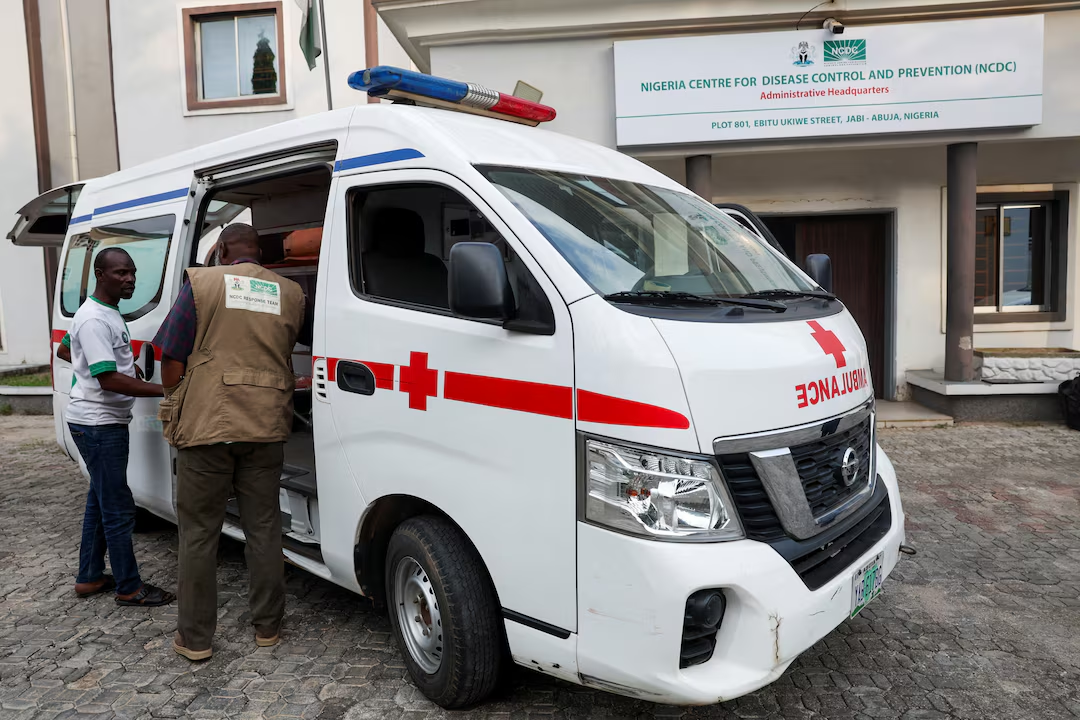
The Nigeria Centre for Disease Control and Prevention (NCDC) has identified two suspected cases of Ebola disease in the North-East region, prompting fresh public health concerns as authorities continue efforts to contain the virus following Nigeria’s first confirmed case in more than a decade.
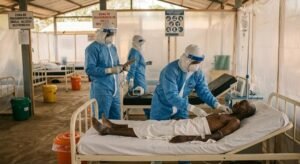
The agency disclosed this in an update on Saturday, October 31, stating that both individuals had been isolated while contact identification and listing were ongoing.
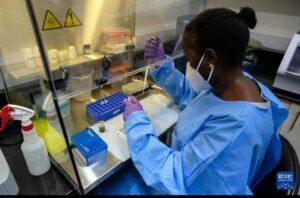
It added that laboratory tests were being conducted to determine whether the individuals had contracted the disease.
However, the NCDC cautioned that the classification of the individuals as suspected cases does not mean they have tested positive for Ebola, stressing that confirmation would depend on laboratory results.
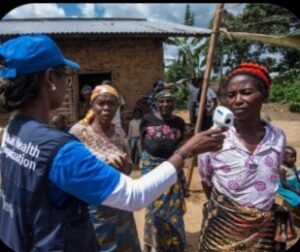
The agency urged Nigerians to maintain good hand hygiene, practise enhanced sanitation and follow public health guidance, assuring that further updates would be provided as verified information becomes available.
The latest development comes 11 days after Nigeria confirmed an imported case of Ebola disease involving a woman who travelled from Uganda to Abuja.
The Federal Government announced the confirmed infection on October 20, identifying it as the Bundibugyo strain of the virus. The patient, who developed symptoms after arriving in Nigeria, was subsequently evacuated to Switzerland for further medical care alongside her husband.
Health authorities had earlier identified and placed contacts of the confirmed patient under surveillance as part of efforts to prevent further transmission.
The emergence of two suspected cases in the North-East has therefore raised fresh questions about the possible spread of the disease and the effectiveness of ongoing surveillance.
The NCDC has not publicly disclosed the identities of the two individuals, the specific states where they were identified or whether their cases are connected to the earlier infection in Abuja.
Ebola is a severe viral disease that can spread through direct contact with the blood or other bodily fluids of an infected person who is showing symptoms, as well as contaminated materials.
Symptoms can include fever, fatigue, muscle pain, headache, sore throat, vomiting, diarrhoea and, in severe cases, unexplained bleeding.
The current regional outbreak is caused by the Bundibugyo species of the Ebola virus, for which there are no approved vaccines or specific treatments, making early detection, isolation, supportive medical care and effective contact tracing particularly important.
Nigeria’s health authorities are expected to continue laboratory investigations and surveillance as they work to establish whether the two suspected cases represent new infections.
Until test results are available, the NCDC’s position remains that the two cases are under investigation and should not be treated as confirmed Ebola infections.