
International
US Supreme Court Rejects Trump Bid to Block Thousands of California Mail Ballots

The United States Supreme Court has rejected an emergency request by President Donald Trump’s administration seeking to compel California to set aside thousands of mail-in ballots linked to people federal officials allege may not be American citizens.
The decision, issued on Monday, November 2, came just hours before voting in the 2026 midterm elections was due to conclude. The court declined to intervene in the dispute involving approximately 20,000 people identified by the federal government as potentially ineligible voters.
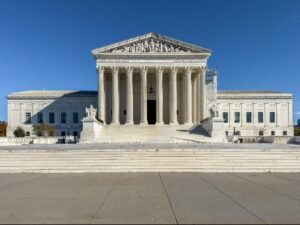
The Supreme Court issued a brief, unsigned order denying the Justice Department’s request for an injunction. No justice publicly dissented, and the court did not provide an explanation for its decision.
The administration had asked California election officials to separate ballots associated with the individuals on its list and prevent them from being counted until their citizenship status could be verified.
Federal officials argued that once the ballots were mixed with other votes during processing, it would become difficult or impossible to identify them later. The Justice Department described the proposed separation as a temporary measure that would allow the votes to be checked before being counted.
California officials, however, challenged the reliability of the federal government’s list, warning that it contained errors and could lead to eligible American citizens being deprived of their right to vote.
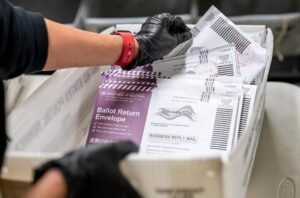
The state also argued that intervening so close to election day would disrupt an election process already underway. More than six million mail ballots had been returned across California, where all registered voters are sent a ballot.
The Supreme Court’s decision followed earlier defeats for the Trump administration in lower courts. A federal district judge, David Carter, rejected the Justice Department’s request on October 28, expressing concern that the government’s method of identifying alleged noncitizens was unreliable and could disenfranchise eligible voters.
The 9th US Circuit Court of Appeals subsequently declined to block the ballots, upholding the lower court’s position.
In a separate development on Monday, US District Judge James Boasberg also ruled against the administration’s last-minute demands on California election officials, stating that the executive branch had likely violated the Constitution’s Elections Clause, which gives states and Congress authority over election rules.
California Governor Gavin Newsom welcomed the Supreme Court’s decision, describing it as a victory for democracy. State Attorney General Rob Bonta also said the ruling marked another rejection of the administration’s attempts to interfere with California’s election procedures.
The Trump administration has maintained that its actions are aimed at preventing noncitizens from voting in federal elections, an offence under US law. However, confirmed cases of noncitizen voting remain rare, and the accuracy of the federal list has become a central issue in the legal dispute.
The case forms part of a wider effort by the Trump administration to increase scrutiny of voter registration records and challenge election procedures in several states ahead of the midterm elections.
The Supreme Court’s refusal to intervene means California election officials will not be compelled by the emergency order to set aside the disputed ballots.