
International
Iran Flogs Female Singer in Move Insiders Say Was Warning to Dissenters

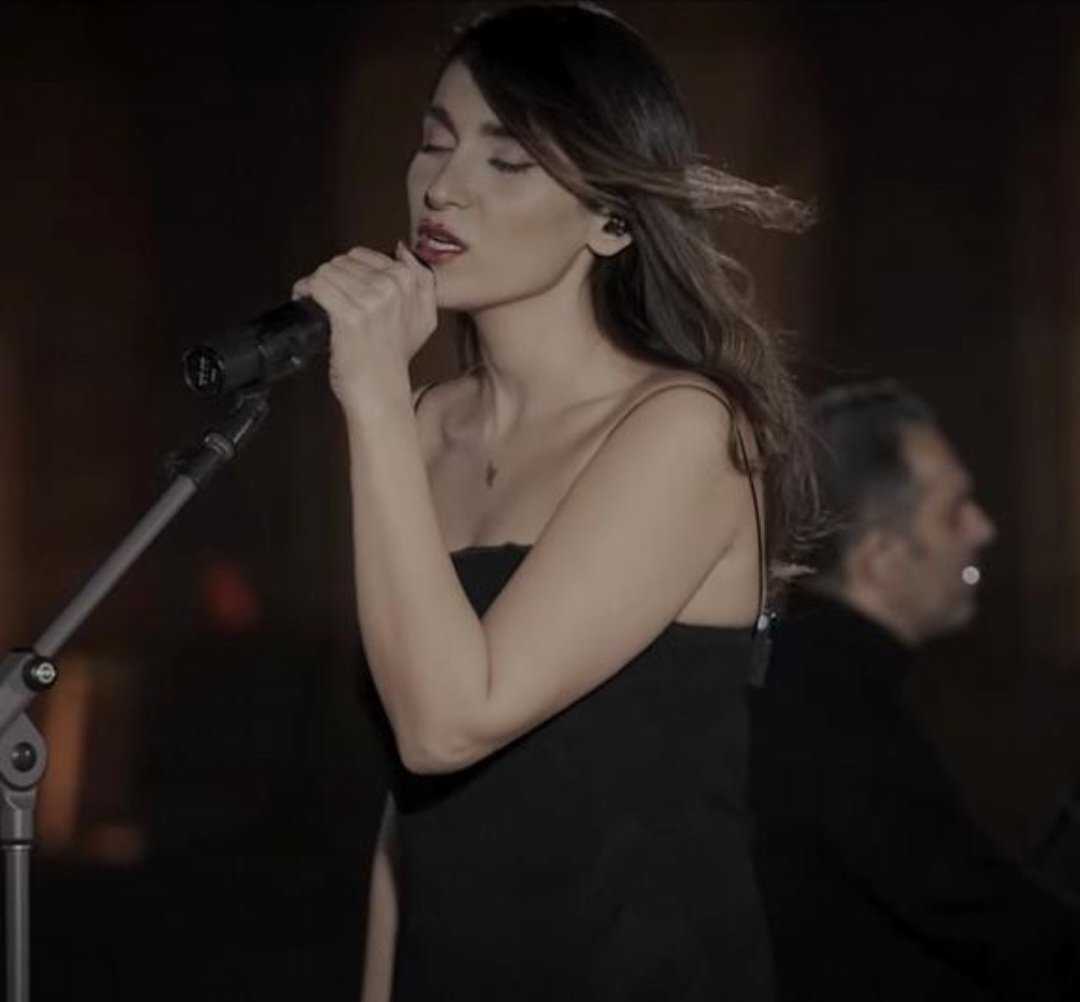
Iran’s decision to flog female singer Parastoo Ahmadi and members of her production team was intended to intimidate potential protesters and reassure hardline supporters of the country’s ruling establishment, according to Iranian officials and insiders cited by Reuters.
Ahmadi, 29, and four members of her production team each received 74 lashes on Monday over a livestreamed musical performance in which she appeared without a headscarf, wore a sleeveless outfit and performed alongside male musicians.

The performance was staged at a historic caravanserai near the holy Shiite city of Qom and broadcast online in December 2024.
The punishment, carried out nearly two years after the concert attracted widespread attention, has shocked many Iranians and renewed concerns about restrictions on women’s rights and artistic freedom in the Islamic Republic.
Reuters reported on Saturday, November 28, that three Iranian officials and two other establishment insiders viewed the punishment as a calculated attempt to send a message of fear to potential opponents of the government.
The sources, who spoke on condition of anonymity, said the decision was backed by hardliners within Iran’s political establishment, who have become increasingly frustrated by what they consider weak enforcement of compulsory dress regulations.
However, some more moderate officials reportedly opposed the punishment, fearing it could provoke public anger and deepen divisions at a time when the country is facing serious economic and political difficulties.
Iran’s compulsory dress regulations, introduced following the 1979 Islamic Revolution, require women to cover their hair and wear loose-fitting clothing in public.
Enforcement of the rules has weakened in recent years, particularly following the nationwide protests that erupted in 2022 after the death of Mahsa Amini, a young Iranian woman who died in custody after being detained by morality police over her head covering.
Since then, increasing numbers of Iranian women have appeared in public without compulsory headscarves, despite the risk of arrest and prosecution.
The latest punishment comes amid growing economic hardship and concerns within the Iranian establishment about the possibility of renewed anti-government demonstrations.
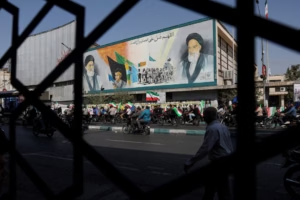
According to the officials cited by Reuters, the approaching anniversary of last winter’s protests has heightened fears that public frustration, worsened by the country’s prolonged war, could once again translate into widespread demonstrations.
Analysts also believe the authorities are concerned about maintaining public obedience as the economic consequences of the conflict continue to affect ordinary Iranians.
Alex Vatanka of the Middle East Institute said the government was aware of the possibility of renewed public protests and could be using punitive measures to demonstrate its authority.
President Masoud Pezeshkian has previously cautioned against using force to address social and cultural disagreements, while hardline politicians have continued to demand stricter enforcement of the country’s religious regulations.
The government maintains that its judiciary operates independently and that punishments imposed by the courts are not politically motivated.
Despite the apparent intention to discourage defiance, the flogging could have the opposite effect by intensifying public resentment towards the authorities.
Saba Robatjazy, an Iranian singer based in London who performs under the name Emma and has known Ahmadi since childhood, told Reuters that the punishment could generate further anger rather than silence opposition.
She also expressed concern about Ahmadi’s situation, saying she had not been in contact with her for months because communications with people inside Iran had become increasingly difficult.
There was no confirmed information about Ahmadi’s condition or whereabouts following the punishment, according to the Reuters report.
The case has once again drawn attention to the struggle over women’s freedoms, artistic expression and the enforcement of religious laws in Iran, as the country’s leadership faces growing pressure from both hardline supporters and a population increasingly challenging restrictions on everyday life.