
World News
China’s Base Metals Trade: Six Charts Reveal How Beijing Is Reshaping Global Commodity Markets

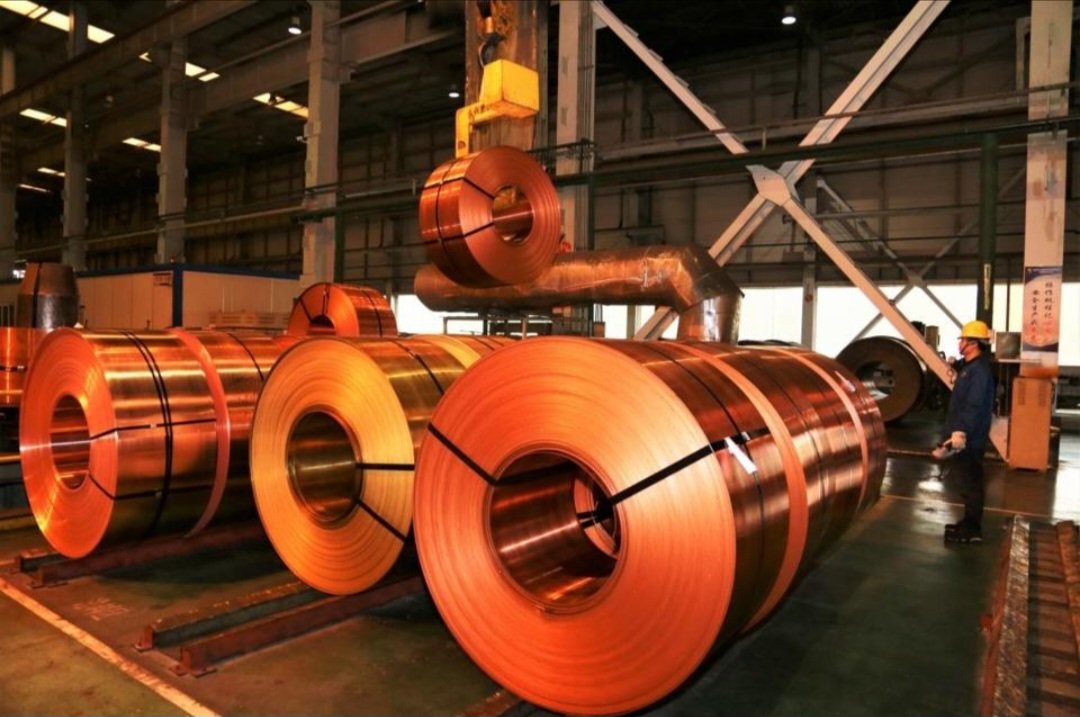
China’s influence over the global base metals market has reached unprecedented levels, with new trade data showing the world’s second-largest economy is simultaneously importing record volumes of raw materials while exporting increasing quantities of refined metals. The latest figures highlight how China’s industrial policies, slowing domestic demand and expanding smelting capacity are reshaping global commodity flows from copper and aluminium to nickel and zinc. The trends, compiled from trade statistics and market analysis, offer a snapshot of the forces driving international metals markets.

1. Copper Imports Remain Strong Despite Slower Economic Growth
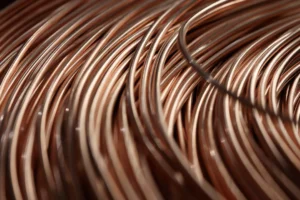
China continues to dominate global copper demand, importing vast quantities of copper concentrate to feed its expanding network of smelters. Although growth in the country’s construction sector has weakened, demand from renewable energy projects, electric vehicles, power grids and manufacturing has kept copper imports relatively resilient. Analysts say Beijing’s long-term industrial strategy continues to underpin copper consumption despite broader economic challenges.
2. Refined Copper Exports Reach Multi-Year Highs
While China remains a major importer of copper ore, it has increasingly become an exporter of refined copper. Massive investments in domestic smelting capacity have enabled Chinese producers to process more imported concentrate and sell surplus refined metal overseas. This shift is influencing global pricing and increasing competition for producers in Europe, the Americas and other parts of Asia.
3. Aluminium Exports Continue to Expand
China’s aluminium industry has maintained strong export momentum despite international trade barriers and anti-dumping measures in some markets. Manufacturers continue to benefit from large-scale production capacity and competitive pricing, making Chinese aluminium products increasingly important in global manufacturing supply chains. At the same time, some trading partners have expressed concerns over excess production and market distortions.
4. Nickel Imports Reflect EV Battery Demand
China remains one of the world’s largest consumers of nickel, driven largely by its dominant electric vehicle battery industry. Imports of nickel intermediates and refined products continue to support battery manufacturing, even as global EV demand experiences uneven growth. China’s processing sector has become central to the global nickel supply chain, particularly through investments in Indonesia’s mining industry.
5. Zinc and Lead Markets Adjust to Domestic Weakness
Demand for zinc and lead has softened alongside China’s struggling property sector, reducing consumption in construction-related industries. However, producers have increasingly turned to export markets to offset weaker domestic sales. The shift has helped maintain production levels while increasing China’s presence in international metals trade.
6. Growing Smelting Capacity Is Changing Global Trade
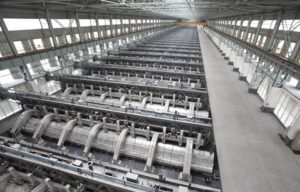
Perhaps the biggest trend highlighted by the data is China’s continued expansion of refining and smelting capacity across multiple base metals. Rather than simply importing finished products, the country increasingly imports raw ores and concentrates, processes them domestically and exports higher-value refined metals. Analysts say this strategy strengthens China’s position across the entire metals supply chain while increasing its influence over global commodity prices.
The changing trade patterns are being closely monitored by governments, manufacturers and commodity traders worldwide. Countries that supply raw materials; including Australia, Chile, Peru and Indonesia, continue to benefit from China’s demand for ores and concentrates. Meanwhile, manufacturers in Europe and North America face growing competition from exports of Chinese refined metals.
Industry experts say China’s strategy reflects its ambition to move further up the industrial value chain by controlling not only manufacturing but also the processing of critical raw materials needed for the global energy transition. As demand for electric vehicles, renewable energy systems and modern infrastructure continues to grow, Beijing’s role in global metals markets is expected to remain a defining factor for commodity prices and international trade.