
Sports
College Basketball Faces Eligibility Chaos as Coaches Struggle to Keep Up With Changing Rules

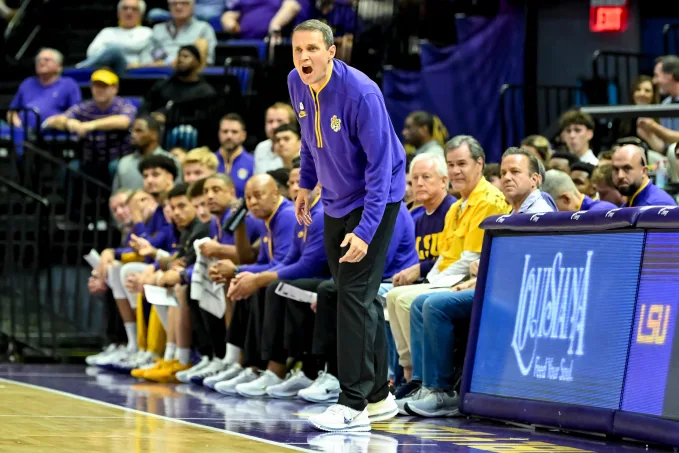
College basketball is facing an unprecedented period of uncertainty as changing eligibility rules, court decisions and widespread player transfers force coaches to rethink how they recruit and build their teams.
The latest developments have created a complicated environment in which players can be declared eligible to compete through temporary court orders, only to face fresh challenges that could remove them from the court weeks later.
The situation has left coaches balancing recruitment decisions with legal developments, as programmes struggle to determine which players will remain available throughout the season.
At the centre of the controversy are disputes over the National Collegiate Athletic Association’s (NCAA) eligibility rules, particularly its move towards a five-year eligibility model and restrictions affecting athletes who have already competed professionally.
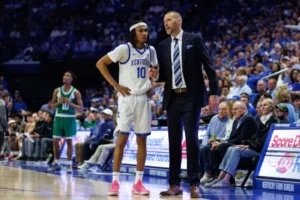
Several players have gone to court seeking additional seasons of college basketball, arguing that NCAA restrictions unfairly deny them opportunities to continue competing and benefit from the changing financial landscape of college sports.
The legal battles have produced different outcomes across states, with some athletes receiving temporary restraining orders allowing them to play while similar applications by others have been rejected.
According to reports, 54 players were competing in major conferences after obtaining temporary court orders granting them additional eligibility, while another 15 had not received clearance despite pursuing legal challenges.
The uncertainty has affected prominent programmes, including Florida, Kansas, Kentucky and Minnesota, with coaches having to adjust their plans as individual cases progress through the courts.
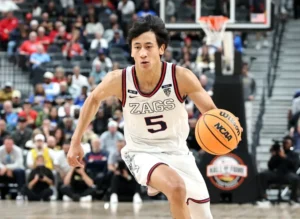
Florida coach Todd Golden, for instance, secured the return of guard Denzel Aberdeen for another college season following a favourable court ruling, although the NCAA has challenged the decision.
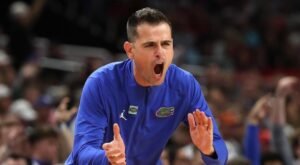
Kansas coach Bill Self has also questioned the inconsistencies in eligibility decisions, arguing that players pursuing similar claims should not receive different treatment simply because their cases are heard in different jurisdictions.
The situation has been further complicated by the transfer portal, which has transformed player movement in college basketball.
Approximately 2,500 players entered the latest transfer cycle, giving coaches an additional challenge as they attempt to assemble competitive rosters while accounting for players who may become available through legal decisions.
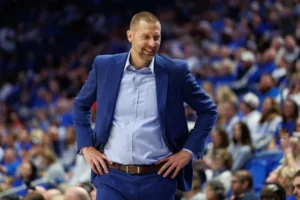
Kentucky coach Mark Pope described the process as increasingly difficult, saying coaches must now make educated guesses not only about the players they recruit but also about how legal proceedings and eligibility rules may develop.
Another complication emerged when Saint Louis University learnt that forward Robbie Avila had initially been cleared to play before the College Sports Commission ruled that he could not be added to the team’s roster because it had reached its permitted limit.
The controversy reflects broader changes introduced following the settlement of the House v. NCAA antitrust case, which allowed participating institutions to directly compensate student-athletes through revenue-sharing arrangements while introducing new roster limits.
The changes have fundamentally altered the financial and recruitment structures of college sports, increasing competition for experienced players and creating new questions about how institutions manage scholarships, roster spaces and athlete compensation.
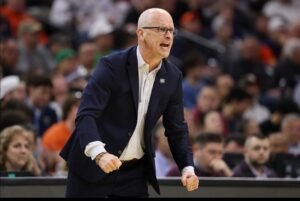
The NCAA has defended its eligibility framework, arguing that consistent rules are necessary to protect competitive balance and prevent teams from being destabilised by repeated changes in player eligibility.
However, recent court interventions have made enforcement increasingly difficult, with some decisions applying to individual athletes while others have broader implications.
In a significant development, a federal appeals court recently overturned a lower-court decision that had granted additional eligibility to a group of athletes who graduated from high school in 2022.
The ruling was a victory for the NCAA, but it did not resolve hundreds of other related legal challenges across the country, meaning uncertainty remains for numerous players and programmes.
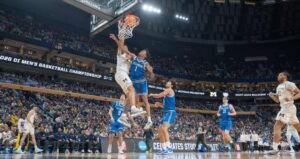
With the basketball season already underway, coaches are facing the possibility that players available at the beginning of the campaign could become ineligible later, while others may unexpectedly receive permission to return.
The outcome of the ongoing legal battles could have significant consequences for recruitment, team stability and the competitive balance of college basketball.
For now, coaches and athletic departments are being forced to navigate a system in which the rules governing their teams can change almost as quickly as the season itself.