International
Iran Reasserts Control Over Hormuz as Ships Come Under Fire

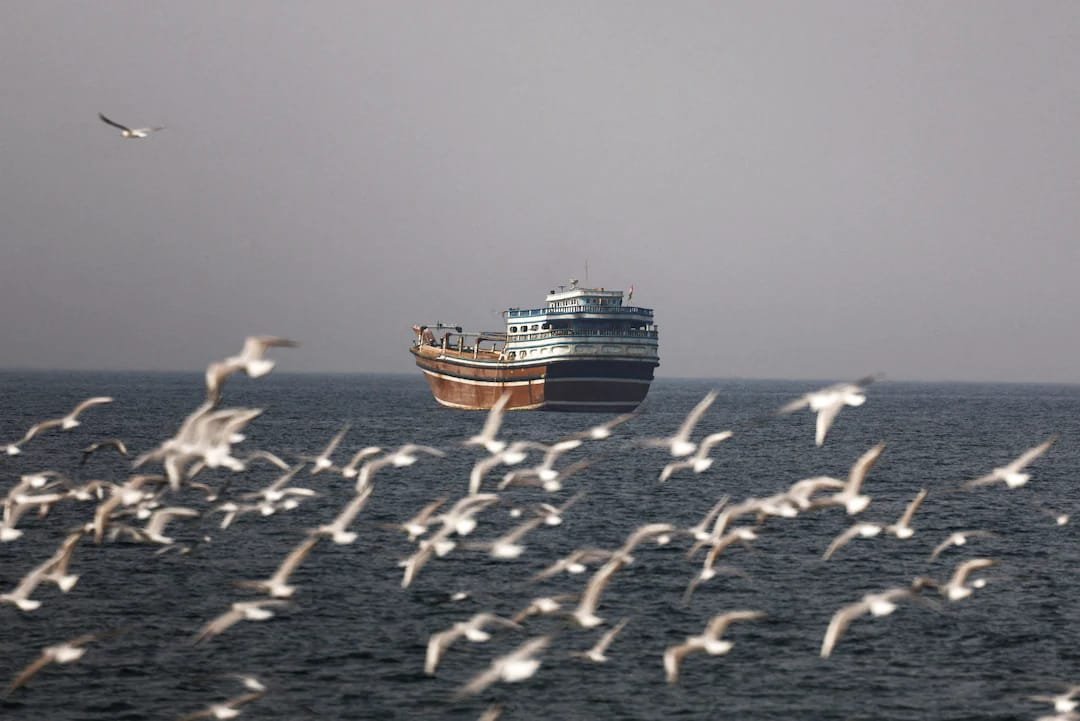
Tensions in the Middle East have escalated sharply after Iran issued a defiant message and reasserted control over the strategic Strait of Hormuz, with multiple vessels reporting gunfire while attempting to cross the vital shipping route.
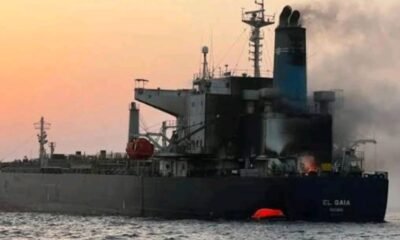
According to maritime security sources, at least two merchant vessels came under gunfire on Saturday as they tried to navigate the strait, a key global oil transit corridor. The incidents occurred after Iranian naval forces reportedly warned ships via radio that the waterway had been closed again, barring passage for vessels of any nationality.
Shipping agencies confirmed that Iranian gunboats approached at least one tanker and opened fire, although no casualties were reported, and crews were said to be safe. Another vessel was also reportedly struck during the incident, raising fresh concerns about maritime safety in the region.
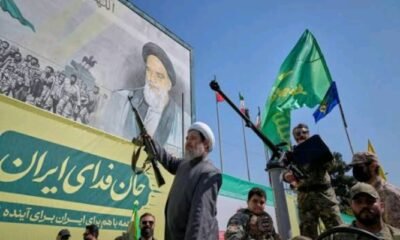
Iran’s leadership has taken a hardline stance, describing the ongoing U.S.-led naval blockade of its ports as “piracy” and warning that further confrontation could follow. The country’s military insists it has full control over the strait and will enforce restrictions until its demands are met.
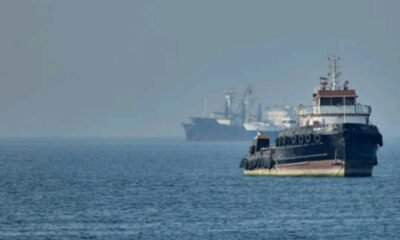
The developments come amid a fragile ceasefire tied to the broader conflict involving Iran, the United States, and its allies. Despite earlier announcements suggesting the strait had reopened to commercial traffic, conflicting signals from Tehran have created uncertainty, with some ships proceeding cautiously while others turn back.
The Strait of Hormuz remains one of the world’s most critical oil chokepoints, handling roughly a fifth of global oil shipments. Any disruption in the area typically triggers volatility in global energy markets and heightens geopolitical risks.
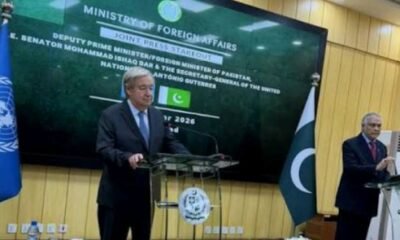
Diplomatic efforts are ongoing, with international mediators attempting to de-escalate the situation. However, the latest incidents underscore the fragile security environment and the potential for further disruptions to global trade and energy supply.